Ceuta crisis shows Europe’s hard line on migration has hardened
Spain put up a floating barrier in Ceuta after up to 60,000 migrants crossed from Morocco. The death toll rose to 67 as EU capitals hardened their response.
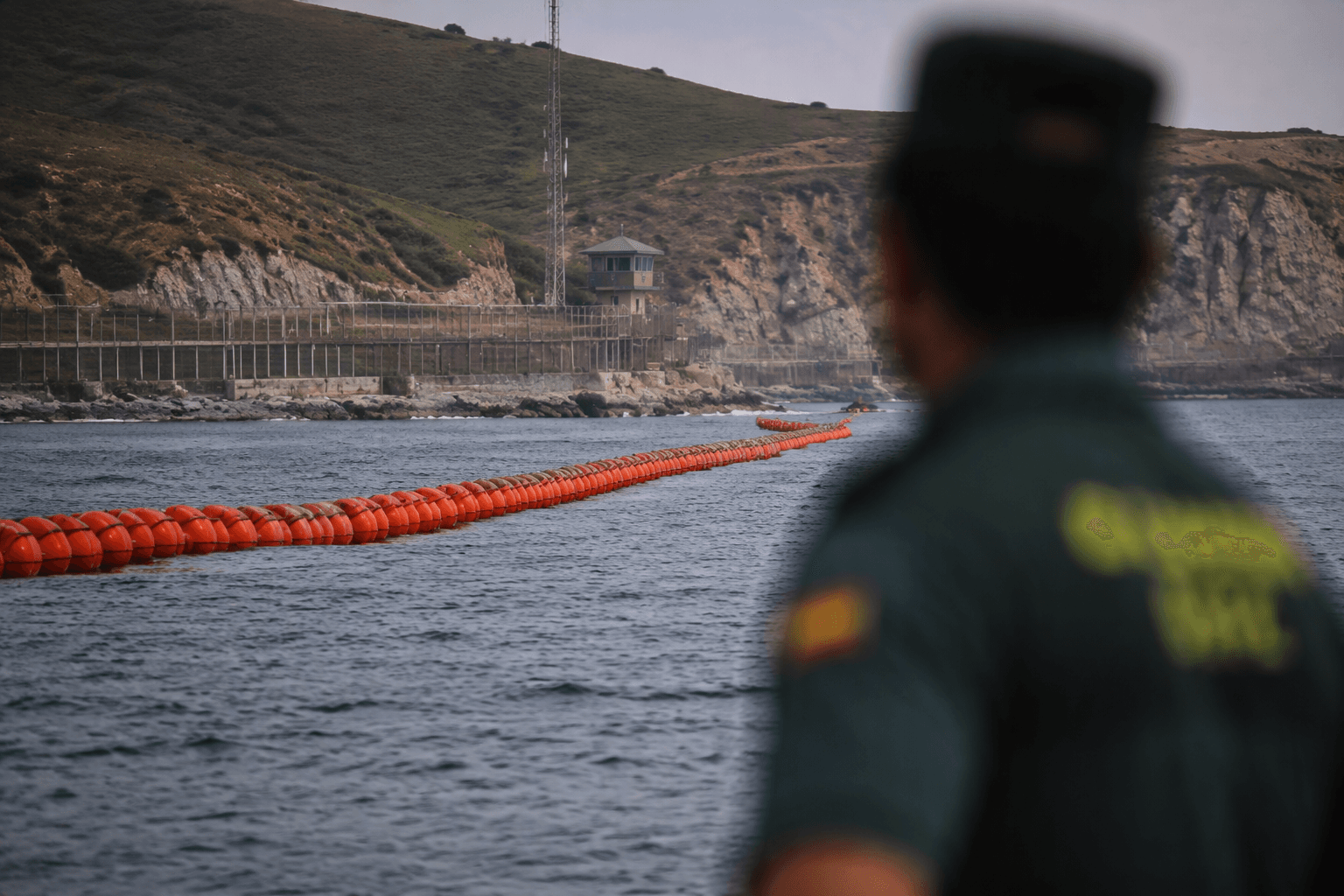
Spain installed a floating barrier along Ceuta’s breakwater fence into the sea after a surge of migrants from Morocco overwhelmed the North African enclave on July 30 and July 31. Estimates of the crossings ranged from about 49,000 to 60,000, Spain deployed the military, and the death toll reported by August 1 reached 67.
Most of the people who crossed later returned to Morocco voluntarily, Spain said, but the episode left Ceuta under intense pressure. Juan Jesús Vivas, the enclave’s president, said around 60,000 migrants had entered Ceuta since Thursday, nearly 70% of the city’s population, underscoring how quickly the border crossing turned into a local emergency.
The political reaction was just as stark. Spain condemned what it called the “selfish, polarising and unlawful” response of some EU countries to the influx, while the EU chief described the situation as “unacceptable.” France and Italy tightened border controls after the Ceuta crossings, a sign that the Schengen open-border system is being tested not only by movement at the frontier but by the speed with which national governments now reach for controls.
That hard line marks a sharp turn from the 2015 refugee moment, when Europe sheltered more than one million refugees and the political center of gravity began moving right. Research cited by the Elcano Royal Institute says that influx increased voter support for stronger borders, helping normalize language and policies that once sat further from the mainstream.
Ceuta now shows how far that shift has gone. Far-right politicians seized on the crisis to bolster anti-immigrant messaging, and the tone of the response from mainstream leaders reflected that pressure. Spain did not speak in the language of solidarity that defined parts of the 2015 debate. It spoke in the language of containment, policing and public order.
The floating barrier in Ceuta became the latest physical expression of that politics. Spain’s military deployment, the tightening of controls in France and Italy, and the criticism from Madrid of fellow EU governments all pointed to the same change: in Europe’s migration politics, the hard line no longer belongs only to the far right.
This article was produced by Prism’s automated news system from verified source data, official records, and press releases, then run through automated quality and moderation checks before publishing. The system is built and supervised by the people who set the standards it runs under. Read our full AI policy.
Did this article answer your question?