Antigua and Barbuda voters weigh visa restrictions in snap election
U.S. visa curbs turned Antigua and Barbuda’s snap vote into a test of who could defend travel, jobs and family ties to the United States.
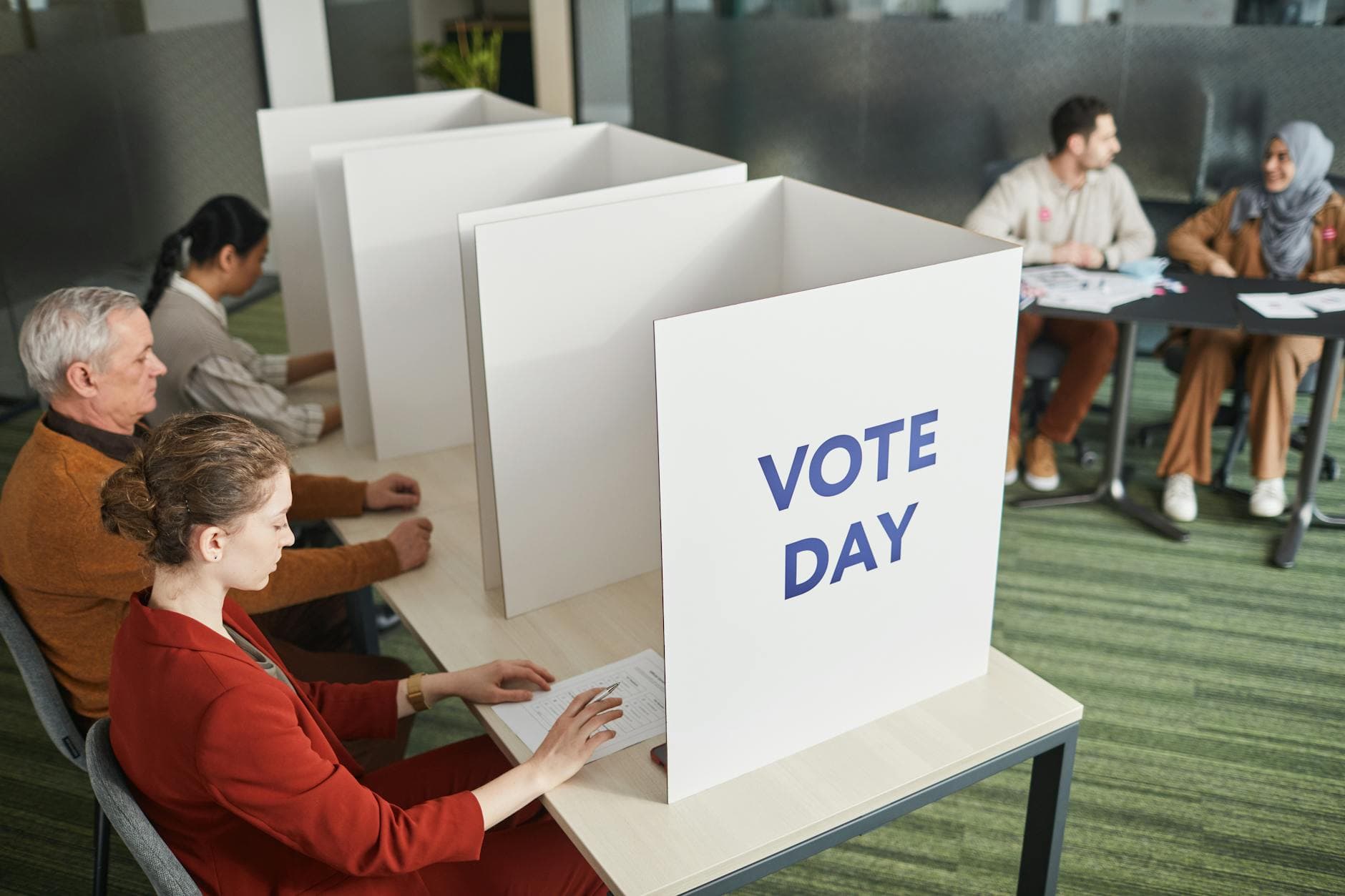
A U.S. visa clampdown turned Antigua and Barbuda’s snap election into a referendum on access to the United States, pushing ordinary campaign promises into the background as voters weighed who could protect travel, jobs and family ties. Prime Minister Gaston Browne sought a fourth term while the central issue in the race was Washington’s decision to suspend visa processing for Antiguans and Barbudans, a move that struck families, business travelers, officials and tourism workers who depend on cross-border mobility.
The U.S. State Department said the partial suspension took effect on January 1, 2026 at 12:01 a.m. EST and covered B-1/B-2 visitor visas and F, M and J visas, with immigrant visas also restricted. The U.S. Embassy later said a visa-bond requirement of up to $15,000 for nationals of Antigua and Barbuda began on January 21. In St. John’s, the issue landed with unusual force in a country of about 93,772 people, where just over 60,000 voters were eligible to cast ballots in the April 30 snap election.
The political fallout reached beyond party lines because the United States is woven into daily life in Antigua and Barbuda. Personal remittances received amounted to 1.2% of GDP in 2024, and local statistics have long shown the United States as a major source market for visitors, leaving airlines, hotels and small businesses exposed when travel rules tighten. The government said on January 7 that existing U.S. visas would remain valid, while Sir Ronald Sanders said on December 19 that he had already met senior U.S. State Department officials to discuss the matter. The Organisation of Eastern Caribbean States Commission said it stood in “full solidarity” with Antigua and Barbuda and Dominica after the decision.
Washington tied the restrictions to concerns over the Citizenship by Investment Programme, which operates under the Citizenship by Investment Act, 2014. Antigua and Barbuda said it was aligning biometric data systems for citizens by birth, descent, naturalization and investment as part of its response, underscoring how a domestic election had become a test of diplomatic management as much as local governance.

The broader message from the vote was stark: in a small state with a 17-seat parliament, a foreign policy decision from Washington can dominate the ballot more than housing, wages or public services. Preliminary reporting later showed Browne’s Antigua and Barbuda Labour Party won a landslide and he secured a fourth consecutive term, but the campaign had already revealed how vulnerable Caribbean governments remain when access to the United States is put on the line.
This article was produced by Prism’s automated news system from verified source data, official records, and press releases, then run through automated quality and moderation checks before publishing. The system is built and supervised by the people who set the standards it runs under. Read our full AI policy.
Did this article answer your question?