South Sudan Faces Severe Hunger Crisis as Famine Risk Grows
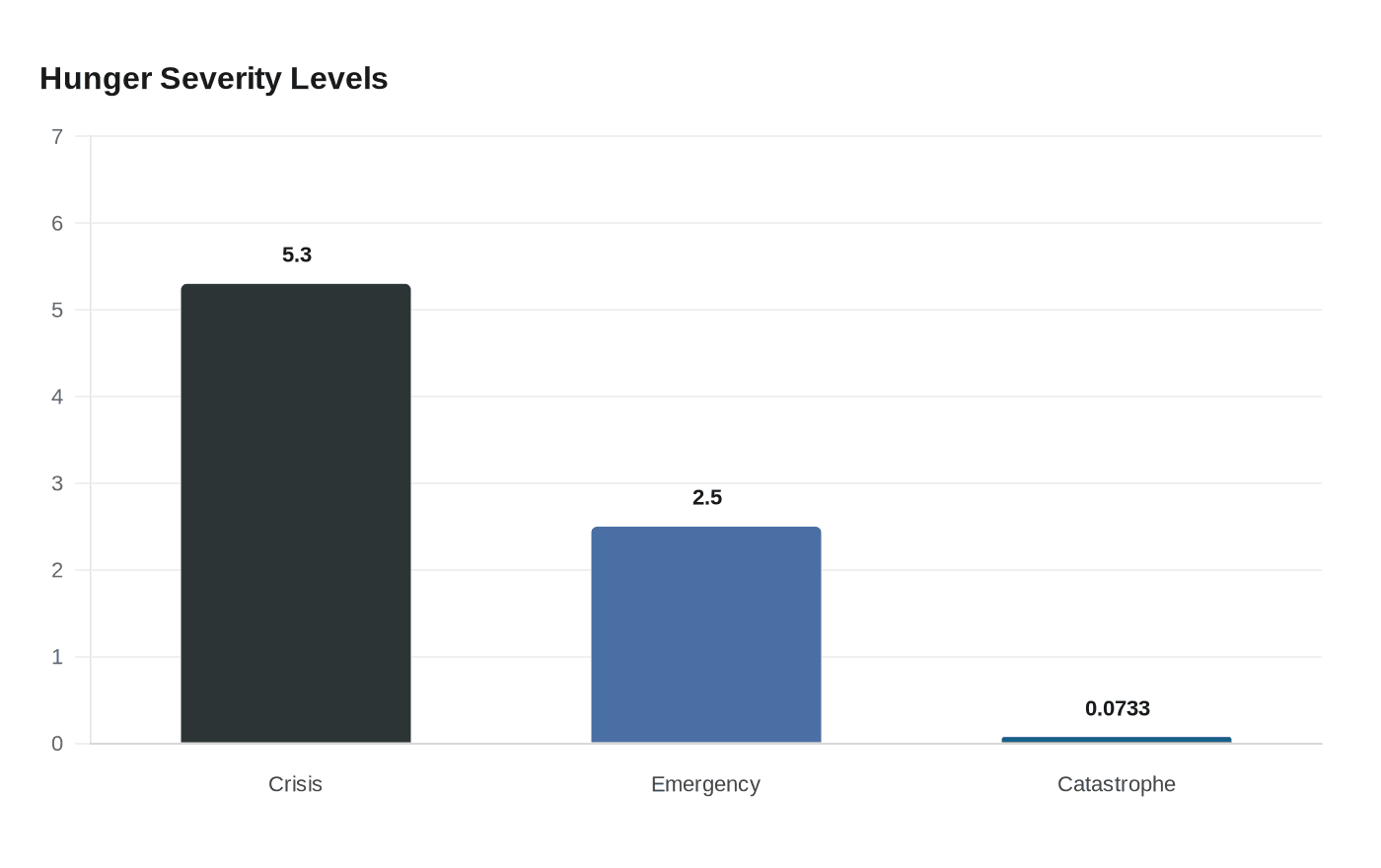
More than 7.8 million South Sudanese are facing crisis hunger or worse, including 73,300 in catastrophe and 2.2 million children under 5 at risk of acute malnutrition.
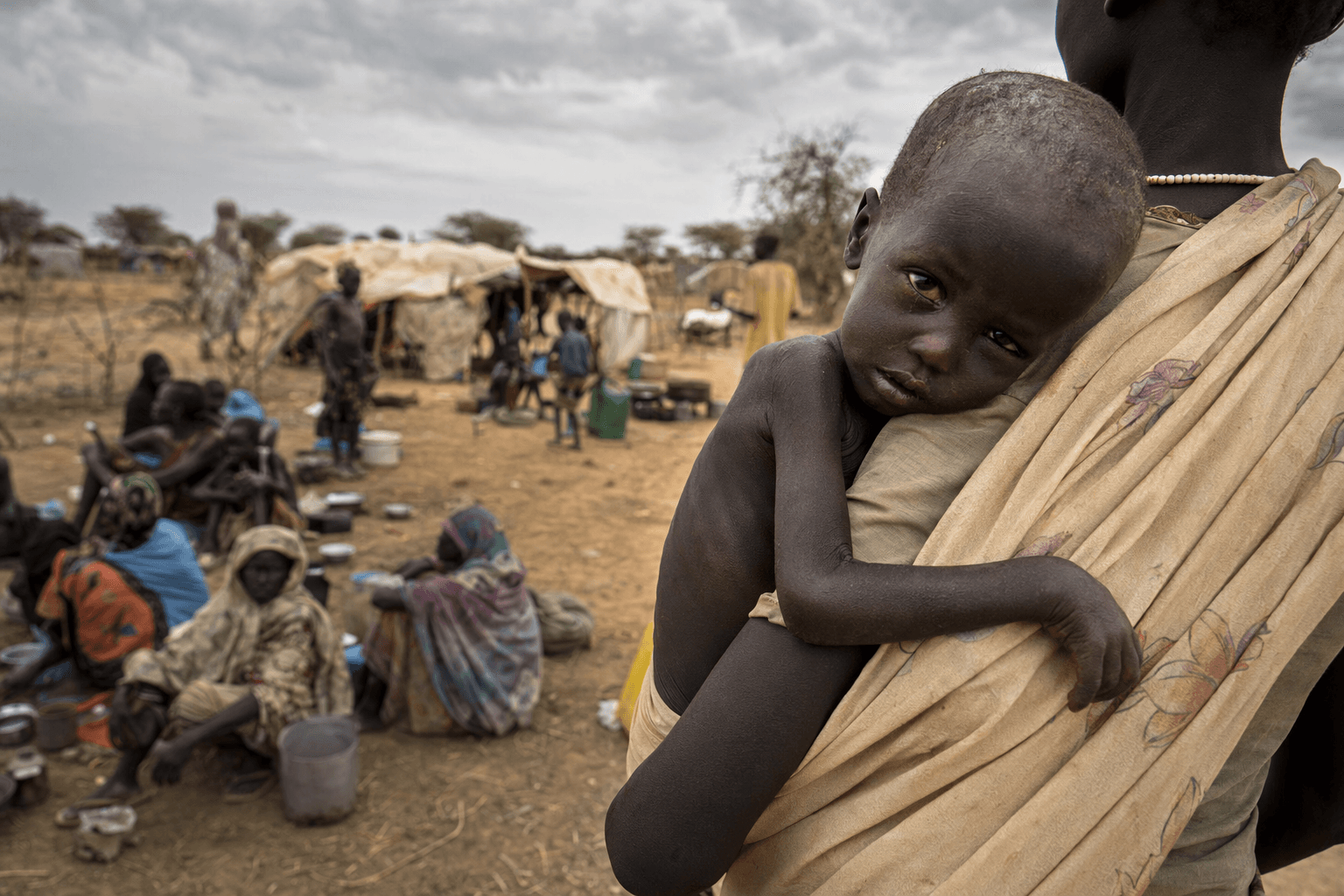
More than 7.8 million people in South Sudan are set to face crisis-level hunger or worse between April and July, a toll that covers 56 percent of the country and includes 73,300 people already projected to be in catastrophe. The scale is severe enough to leave 2.2 million children under age 5 at risk of acute malnutrition, while 2.5 million people are expected to fall into emergency and 5.3 million into crisis.
The situation worsened in late April as conflict, flooding, climate shocks, economic instability, displacement, weak markets and reduced agricultural production collided across the country. The latest Integrated Food Security Phase Classification analysis said the number facing acute food insecurity is 280,000 higher than projected in September 2025. UN agencies also tied the deepening crisis to spillover from the war in neighboring Sudan, the arrival of refugees and returnees, and stalled political reforms ahead of planned 2026 elections.

The worst pressure is concentrated in the east and north. Violence in Jonglei State has displaced more than 304,000 people since December 2025, and 33 health facilities have been damaged or looted, leaving about 1.4 million people without access to health care. Clashes on April 26 in Upper Nile State pushed more civilians from their homes, underscoring how quickly a local confrontation can turn into a broader hunger emergency when roads, clinics and delivery routes are already fragile.
The World Food Programme said 7.56 million people will face crisis or worse during the lean season from April to July, including 28,000 people in Luakpiny/Nasir and Fangak counties already in catastrophe. It warned that the southern parts of Luakpiny/Nasir County are at risk of famine if fighting spreads and humanitarian access stays constrained. In a briefing to the United Nations Security Council, Tom Fletcher pressed for unhindered access, flexible funding, respect for international law and protection of civilians and infrastructure, saying the country was at a dangerous crossroads as conflict, displacement, hunger, disease and attacks on aid workers all rose.
The collapse in services is deepening the damage. Médecins Sans Frontières permanently closed Lankien Hospital in Nyirol County after it was bombarded on February 3, then looted and vandalized, ending 31 years of operations there. UN Women said more than 100 women and girls are being displaced every hour in South Sudan, and some are going days without food. Taken together, the figures show a humanitarian system being pushed beyond its limits by a crisis that is no longer driven by hunger alone, but by the compounded failure of security, health care, mobility and access.
This article was produced by Prism’s automated news system from verified source data, official records, and press releases, then run through automated quality and moderation checks before publishing. The system is built and supervised by the people who set the standards it runs under. Read our full AI policy.
Did this article answer your question?