U.S. sanctions ex-DR Congo president Kabila over rebel support claims
Washington froze Joseph Kabila’s U.S. assets as eastern Congo’s peace track advances, but the move may matter more as a warning than a battlefield changer.
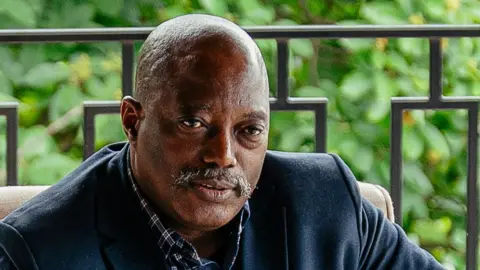
The United States moved against former Democratic Republic of Congo president Joseph Kabila on April 30, freezing any assets he holds under U.S. jurisdiction and banning Americans from doing business with him over accusations that he backed M23 and its Congo River Alliance, or AFC. Washington said Kabila gave financial and political support to the armed groups, encouraged defections from the Congolese army and helped destabilize eastern Congo, where fighting has killed thousands and driven a mass displacement crisis.
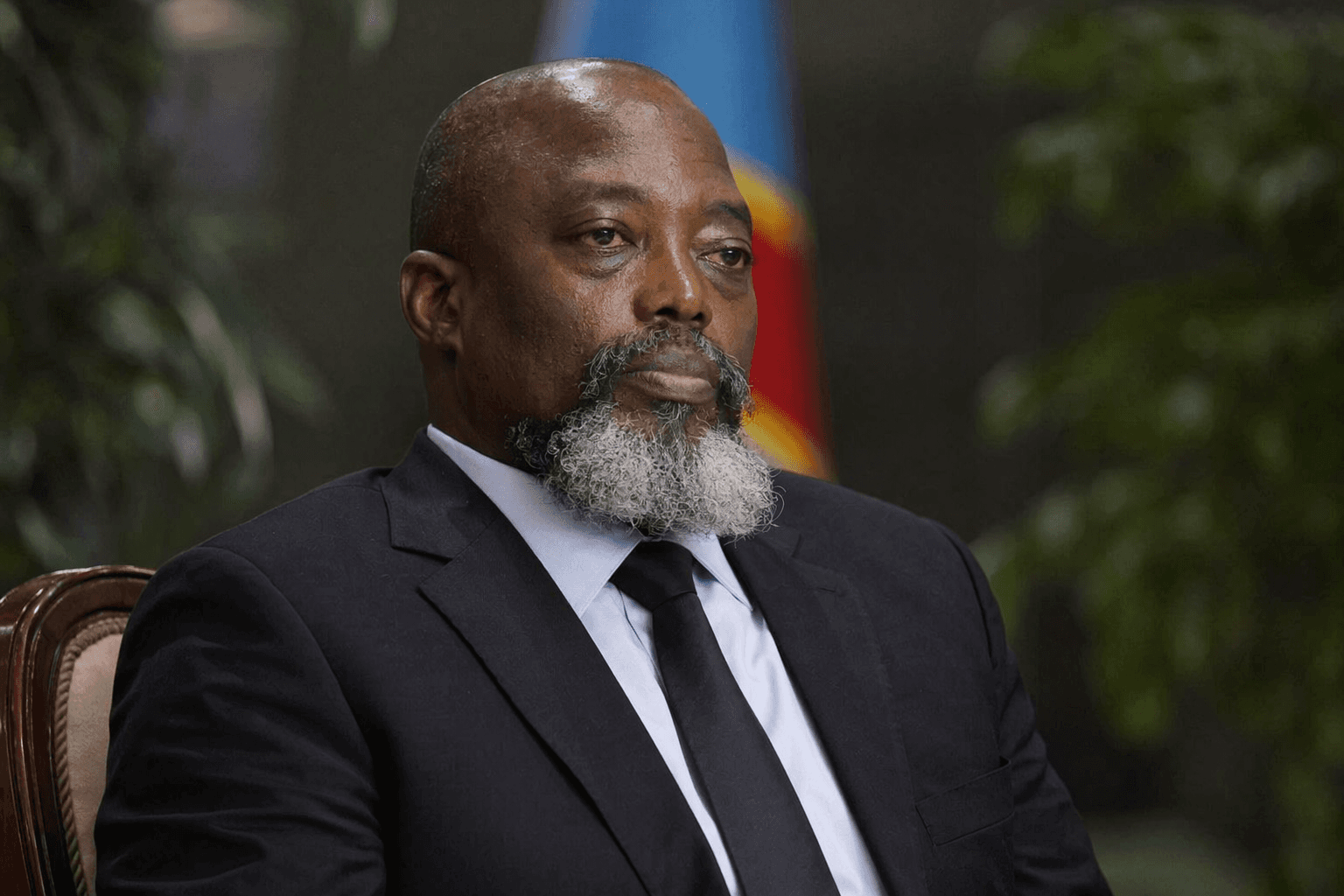
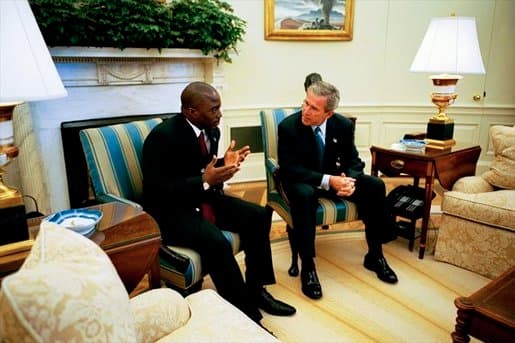
Kabila, now 54, ruled Congo from 2001 to 2019 and has lived in self-imposed exile in South Africa since 2023. His current whereabouts are unknown. The sanctions, imposed by the Treasury Department’s Office of Foreign Assets Control, are aimed at a figure whose name still carries weight in Kinshasa politics, even as he has remained outside the country’s day-to-day power struggle.
The practical reach of the measure is narrow. U.S. sanctions can cut off access to dollar clearing, block travel and complicate any financial network that touches the United States. They can also raise the cost of working with Kabila for banks, traders and political intermediaries far beyond Washington. But they cannot by themselves dismantle armed structures in eastern Congo, where M23 has operated through shifting alliances, local grievances and cross-border tensions that are far harder to regulate than a sanction list.

That is why the timing matters as much as the target. U.S. officials tied the move to broader peace efforts in eastern Congo and to the June 27, 2025, U.S.-brokered peace deal between the Democratic Republic of Congo and Rwanda. Washington has also sanctioned some Rwandan military commanders over alleged support for M23, while Kigali denies backing the rebels. The message is clear: the U.S. wants to show it is willing to penalize spoilers on all sides, not just issue statements about restraint.
The sanctions also land while diplomacy is still moving. In April 2026, DRC and AFC/M23 representatives met in Montreux, Switzerland, with the United States, Qatar, Togo, the African Union Commission and Switzerland involved. Those talks followed a Doha framework signed on November 15, 2025, and produced progress on humanitarian access, judicial protection, ceasefire oversight and prisoner release. That makes the Kabila sanctions look less like a substitute for peace talks than a pressure tactic meant to reinforce them, and to signal that Washington is watching as the eastern Congo crisis continues to threaten the region.
This article was produced by Prism’s automated news system from verified source data, official records, and press releases, then run through automated quality and moderation checks before publishing. The system is built and supervised by the people who set the standards it runs under. Read our full AI policy.
Did this article answer your question?