Iran Threatens Painful Strikes as Hormuz Standoff Chokes Global Trade
Iran has warned of “long and painful” strikes if Washington attacks again, while Hormuz shipping has fallen by more than 90%, raising the economic cost of any miscalculation.
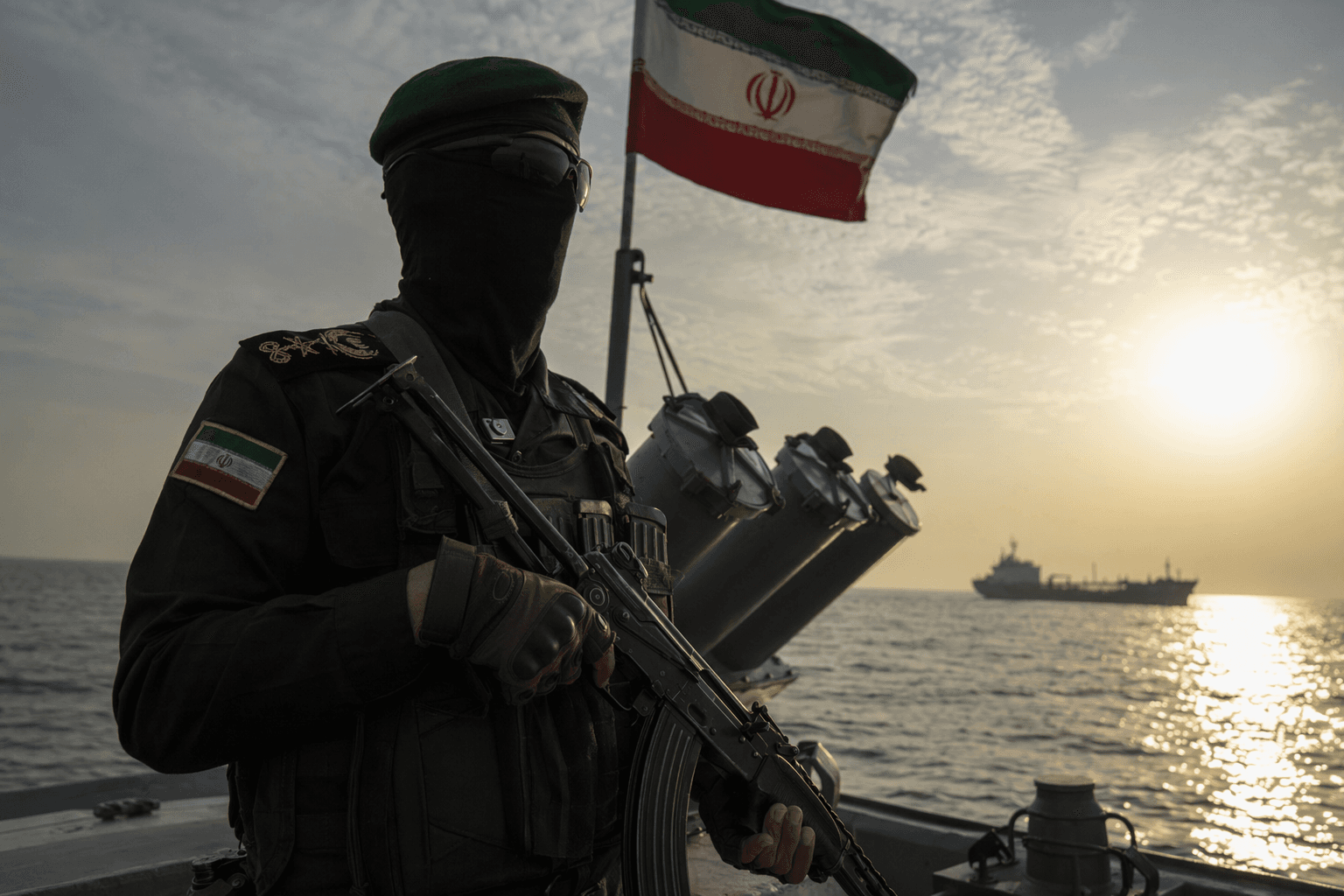
Iran’s threat to hit U.S. positions with “long and painful” strikes has turned the Strait of Hormuz into more than a military flashpoint. It has become a direct test of how much economic damage the world can absorb before the pressure forces a broader confrontation.
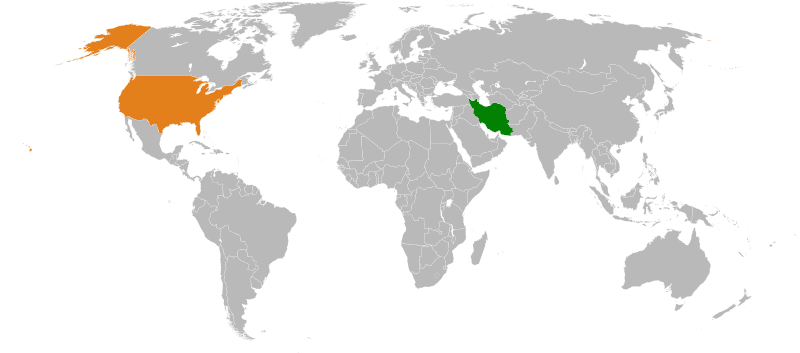
The crisis sharpened after the United States struck three Iranian nuclear facilities, including Fordow, on June 22, 2025, in Operation Midnight Hammer. Iran’s parliament then approved a measure to close the Strait of Hormuz, although final approval was reported to rest with the Supreme National Security Council. Tehran has also restated its claim to control the waterway, a signal that any retaliation could move from rhetoric to maritime disruption within hours.
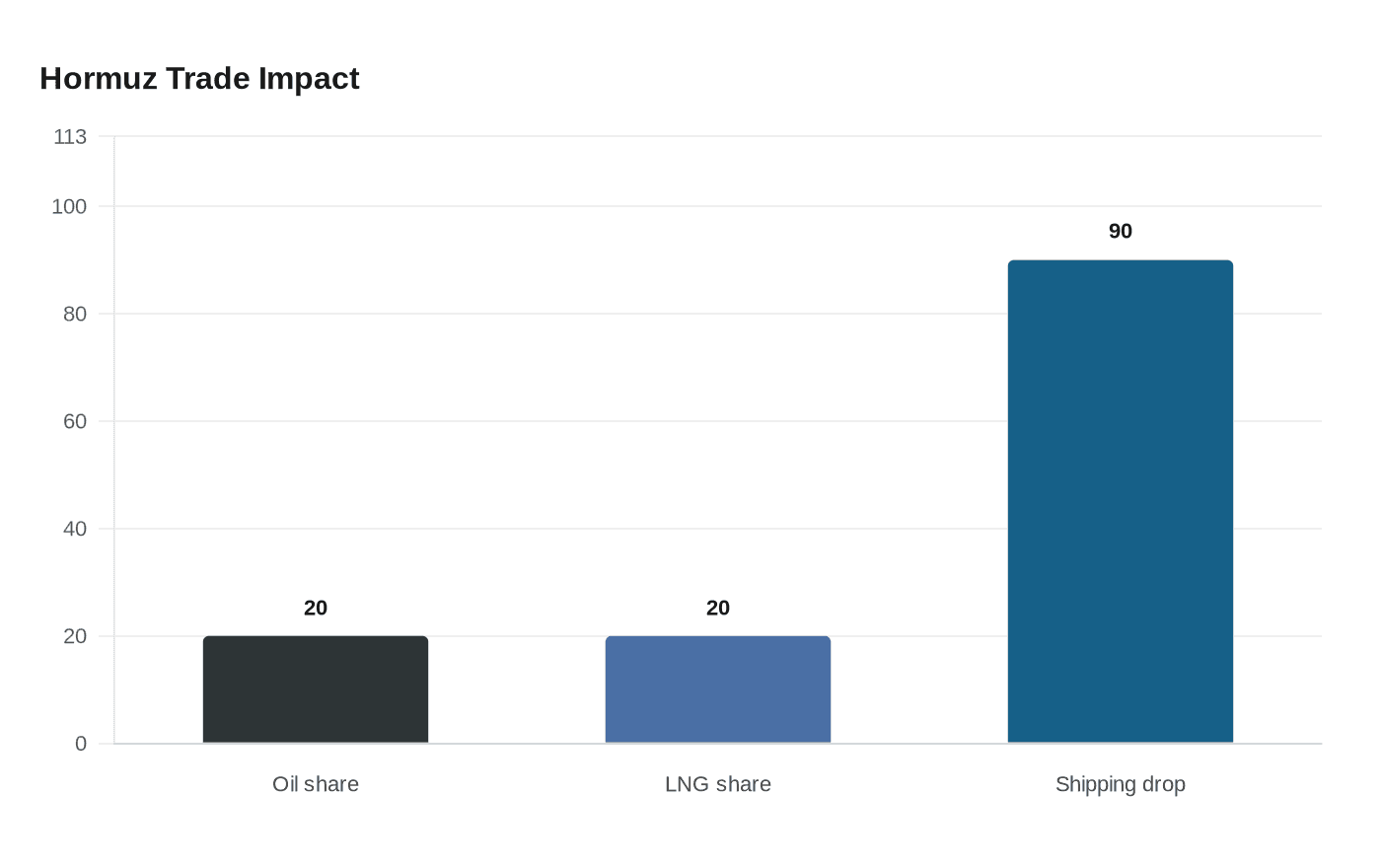
That threat matters because the strait is one of the world’s most critical energy chokepoints. The U.S. Energy Information Administration said about 20 million barrels per day of crude oil and petroleum products flowed through Hormuz in 2024, equal to about one-fifth of global petroleum liquids consumption. Roughly one-fifth of global LNG trade also passed through the strait, much of it from Qatar. At its narrowest point, the passage is only about 29 nautical miles wide, with two-mile shipping channels in each direction, leaving tankers and gas carriers exposed to mines, missiles or fast-boat harassment.
The market shock is already visible. Shipping through the strait has reportedly fallen by more than 90% in the current crisis, and the U.K. navy has warned that a “Hormuz stand-off” could bring “strangulation of international trade” and threaten 20,000 seafarers. Even without a formal closure, that kind of collapse in traffic can slow deliveries, lift insurance costs and force energy traders to price in a far wider disruption across the Persian Gulf and beyond.
Donald Trump has said he wants to “win by a bigger margin” and ensure Iran can never obtain a nuclear weapon, while top U.S. military leaders are briefing him on possible military options, including Admiral Brad Cooper. That leaves the next move unusually risky: a limited strike could trigger Iranian retaliation against U.S. positions, but hesitation could encourage Tehran to keep pressing its Hormuz leverage. Abbas Araghchi has tried diplomacy through Pakistan and Russia, including a proposal to reopen the strait while postponing nuclear talks, but U.S. officials appear unlikely to accept a deal that separates the shipping crisis from the nuclear one.
The history is grimly familiar. During the 1980s Iran-Iraq War, the United States escorted shipping in the Strait of Hormuz to keep oil moving. The same logic now applies, but with higher stakes: any miscalculation in the next 72 hours could turn a regional military standoff into a global energy shock.
This article was produced by Prism’s automated news system from verified source data, official records, and press releases, then run through automated quality and moderation checks before publishing. The system is built and supervised by the people who set the standards it runs under. Read our full AI policy.
Did this article answer your question?


