Satellite Images Show Iran Rebuilding Missile Sites During Ceasefire
Satellite images show Iran clearing rubble at damaged missile sites, turning a ceasefire into a chance to restore buried launch capacity.
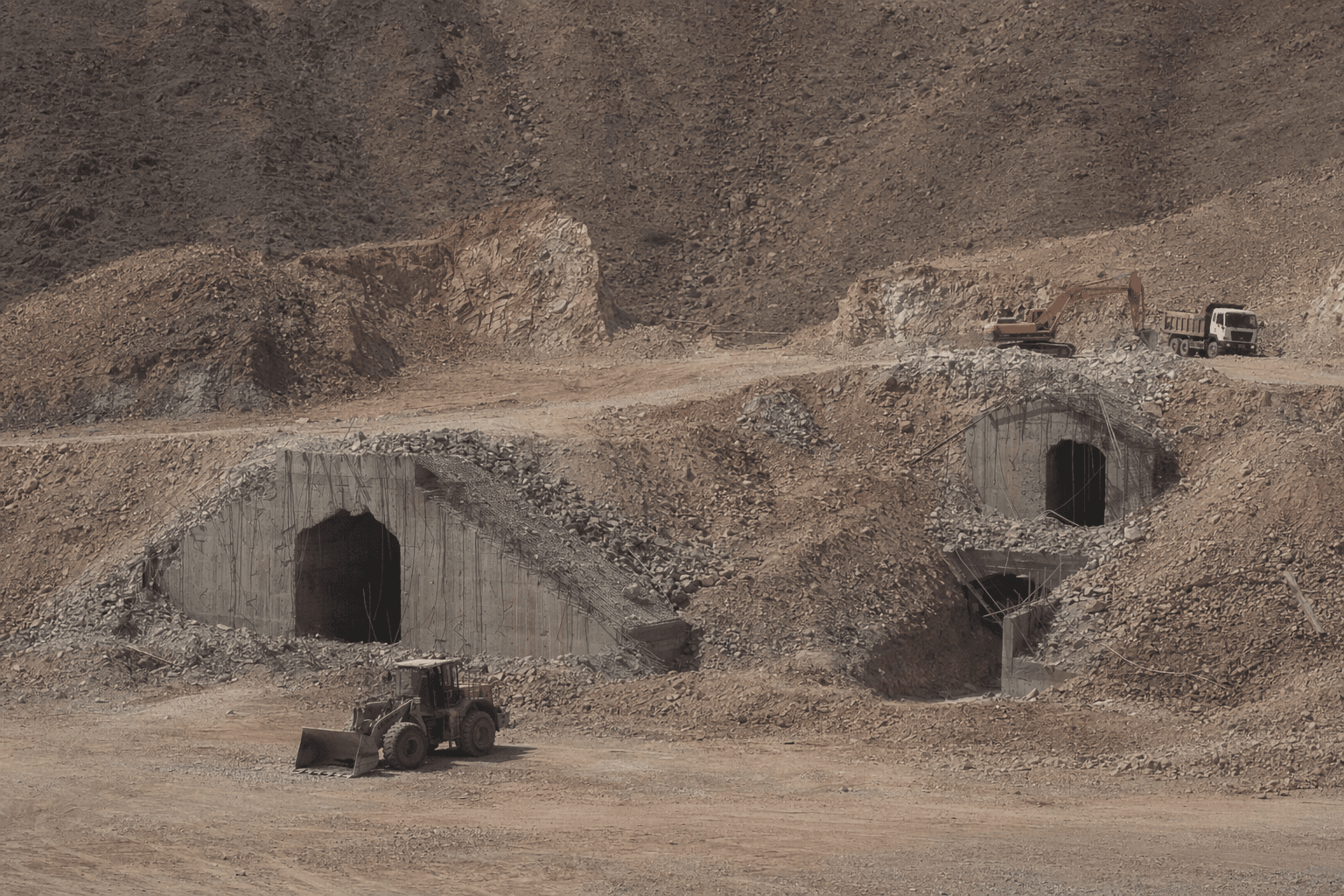
Commercial satellite imagery is showing Iran using the ceasefire not to stand down, but to dig out. Crews have been clearing debris and reopening access to underground missile facilities and tunnel entrances damaged in recent U.S. and Israeli strikes, including a missile base near Khomeyn in Markazi Province.
The images point to a calculated recovery effort. Instead of leaving the struck sites dormant, Iran appears to be restoring the ability to move and launch missiles and drones from buried infrastructure that was hit hard in the conflict. That matters because underground facilities are designed to preserve military capacity under attack, and once access roads, tunnel mouths and loading areas are damaged, the clock starts running on how quickly a force can reconstitute.
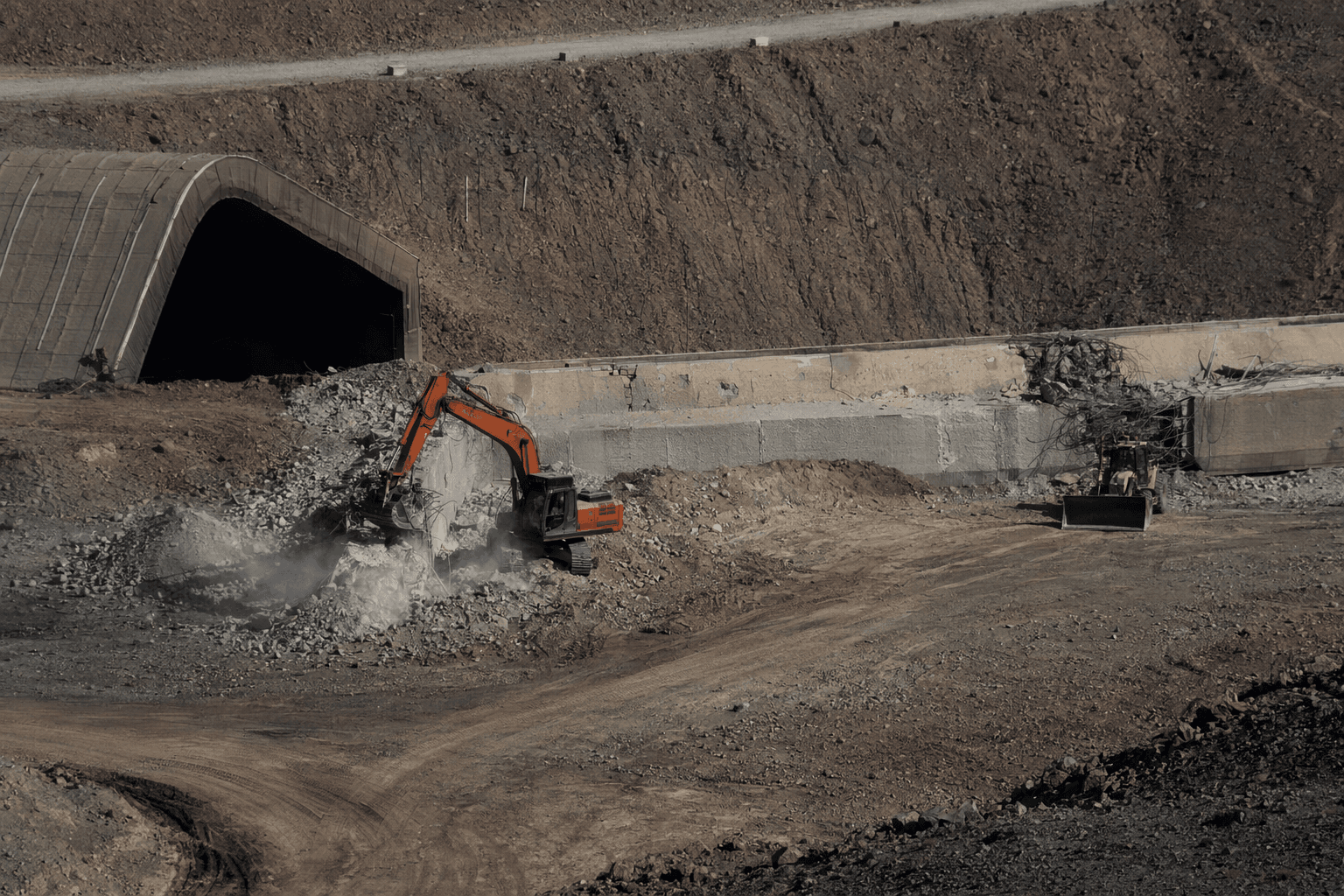
For Iranian commanders, the ceasefire creates a window. The work visible from space suggests Tehran is trying to recover equipment buried beneath rubble and bring strategic sites back into service before any renewed fighting. For U.S. and Israeli planners, the satellite evidence underscores a harder reality: a pause in strikes does not necessarily mean a pause in preparation. It can also give an adversary the breathing room needed to rebuild the very systems a campaign was meant to suppress.
That is what makes the post-strike imagery so important. A missile base near Khomeyn is not just a damaged facility waiting for repairs. It is part of a wider network of hardened infrastructure built to survive bombardment and sustain Iran’s ability to project power with drones and missiles. If those sites are being reopened now, the truce may be stabilizing the battlefield only on the surface while the underlying competition resets underground.
The broader lesson is uncomfortable for both governments and analysts: ceasefires can freeze the shooting without freezing the balance of power. In Iran’s case, satellite images suggest the gap between damage and recovery may be narrow enough to preserve much of its long-term strike capability. If those buried sites come back online, the current pause will look less like de-escalation than a repair interval in a conflict that is still being prepared for its next phase.
This article was produced by Prism’s automated news system from verified source data, official records, and press releases, then run through automated quality and moderation checks before publishing. The system is built and supervised by the people who set the standards it runs under. Read our full AI policy.
Did this article answer your question?


