India hikes Haj 2026 package prices after jet fuel surge, sparking row
A 10,000 surcharge has hit every Haj 2026 pilgrim in India, after Middle East fighting pushed up fuel costs and ignited a political backlash.
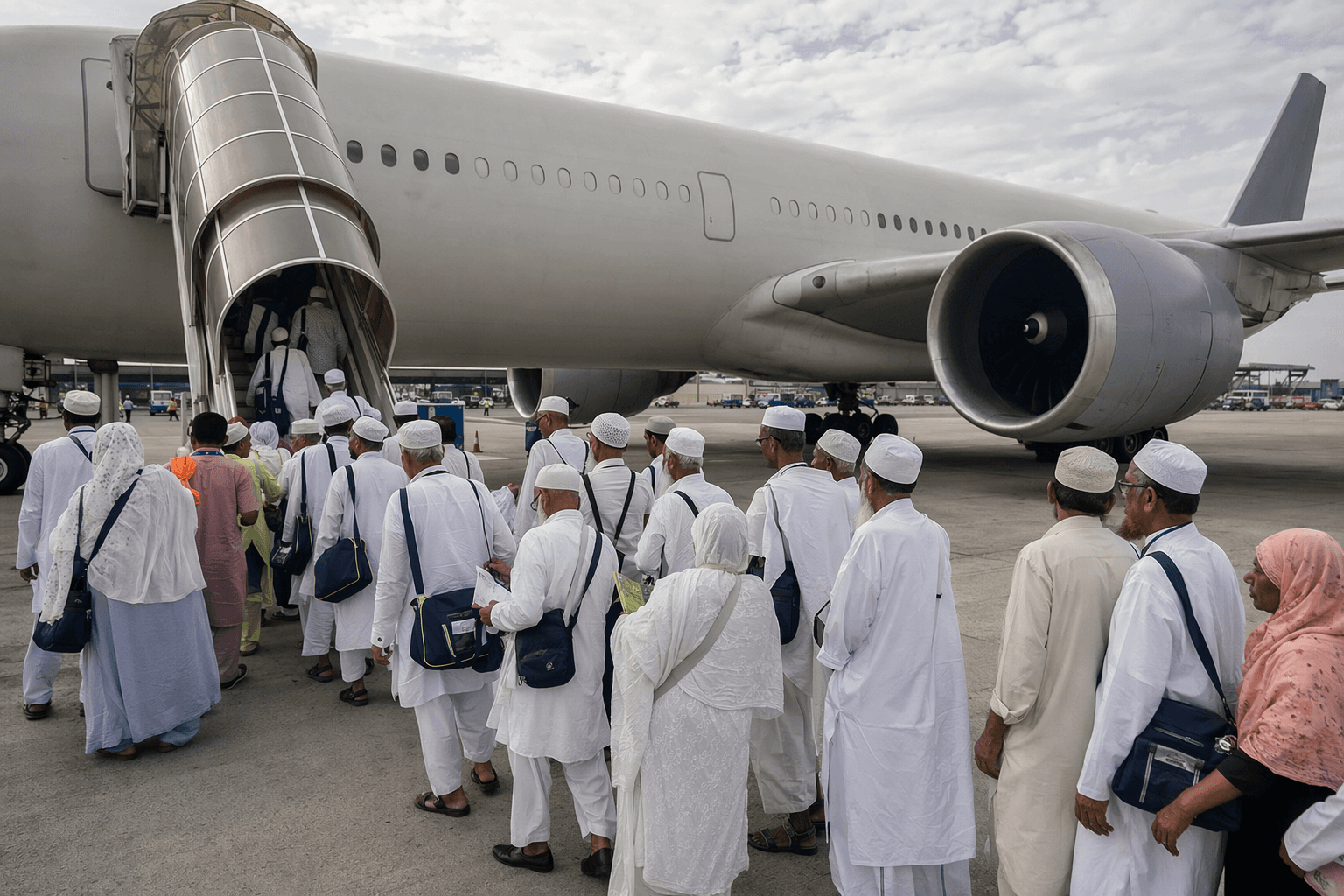
The war in the Middle East has reached Indian households in a deeply personal way: through the price of a once-in-a-lifetime pilgrimage. The Haj Committee of India, which works under the Ministry of Minority Affairs, issued a circular on April 28 directing every Haj 2026 pilgrim to pay an additional 10,000 by May 15 after approving a one-time airfare revision for air charter operations.
Officials described the increase as the equivalent of about $100 per pilgrim, less than what airlines had initially sought. The committee said the revision was allowed because of “extraordinary circumstances” arising from the ongoing crisis in the Middle East, and the charge will apply uniformly regardless of a pilgrim’s point of departure. Payments can be made through the official portal, app or designated banks.
The decision quickly turned into a political row. AIMIM chief Asaduddin Owaisi called the hike “exploitation” and demanded that the circular be withdrawn. Union Minority Affairs Minister Kiren Rijiju defended the revision, saying it was driven by higher Aviation Turbine Fuel prices linked to the geopolitical situation in West Asia. The dispute has sharpened attention on how conflict-driven energy costs can ripple far beyond battle zones, landing on religious obligations that many families save for over years.

The scale of the Haj season underscores how wide the impact will be. The Telegraph India reported that 1,75,025 pilgrims are expected to travel from India this year, with the first batch arriving in Saudi Arabia on April 18. For those pilgrims, the new levy is not an abstract policy adjustment but an immediate bill tied to their journey.
The surcharge also highlights a broader inequality in how global shocks are absorbed. A surge in fuel prices, driven by fighting far from India, is now being spread across tens of thousands of travelers, including people making one of Islam’s most important rites. For many households, the added 10,000 will mean another stretch of already tight budgets before departure, turning a spiritual commitment into a sharper financial test.
This article was produced by Prism’s automated news system from verified source data, official records, and press releases, then run through automated quality and moderation checks before publishing. The system is built and supervised by the people who set the standards it runs under. Read our full AI policy.
Did this article answer your question?


