Antique grenade removed from Medford thrift store prompts safety review
Police removed an inactive antique grenade from Savers Thrift Store in Medford on Jan. 16; no injuries were reported. The incident raises safety and donation-screening concerns for local shoppers.
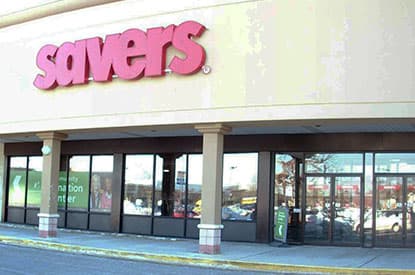
Suffolk County police removed what is believed to be an inactive antique grenade from Savers Thrift Store in Medford on Jan. 16, responding after a 911 caller reported a suspicious object around 12:30 p.m. Officers from the department's Emergency Section recovered the item at the Patchogue-Yaphank Road location and took it into custody; police said more specific details about where it was found or how it arrived in the store were not available as of Friday.
No injuries or evacuations were reported, and the removal was handled by trained emergency personnel. The brief on-site response underscores routine protocols that county law enforcement uses for potential explosive devices: immediate reporting, cordoning of the scene, and transfer to specialized responders for safe disposal. For Medford shoppers and Savers customers, the episode was a rare reminder that donated goods can sometimes carry unexpected safety risks.

Thrift stores and donation centers serve hundreds of thousands of households across Long Island by circulating used goods, reducing waste, and offering low-cost options for families. For a community of about 1.5 million residents in Suffolk County, those stores are an important local resource. Incidents like this can disrupt operations, impose short-term costs and create extra administrative burdens. Stores may need to review donation screening practices, staff training and liability coverage to reduce the chance of similar finds and to reassure shoppers and donors.
From a policy perspective, the event spotlights gaps in the chain of custody for donated items. State and federal laws restrict possession of explosive devices, and local law enforcement has clear responsibility for removal, but donation acceptance practices are largely managed at the store level. That can mean variability in how thoroughly items are inspected before being shelved for sale. For thrift operators, volunteer-run charities and corporate resale chains alike, tightening intake procedures or investing in staff training will raise operational costs, but can also reduce risk and protect customers.
Economically, any increase in compliance costs or insurance premiums could be passed along through reduced donation capacity or modest price adjustments on resale items. For low-income households that rely on thrift stores for affordable clothing, furniture and household goods, keeping donation centers open and trusted matters for household budgets as well as for local recycling of goods.
For now, consumers in Medford and surrounding neighborhoods can take simple precautions: report suspicious items to staff or 911, avoid handling unknown objects and expect police to handle potential hazards. County officials and store managers will likely reassess intake and safety procedures in the coming weeks; how they respond will determine whether this remains an isolated scare or leads to broader changes in how donated goods are accepted and screened locally.
Sources:
Know something we missed? Have a correction or additional information?
Submit a Tip