LIBOR installs 2026 leadership and prioritizes housing advocacy
LIBOR installed new officers Jan. 8 and honored members, highlighting a 2026 push on housing and community development that could affect Suffolk County residents.
The Long Island Board of REALTORS® (LIBOR) installed its 2026 executive officers on Jan. 8 at Jericho Terrace in Mineola, naming Shaan Khan as president and presenting awards that included REALTOR® of the Year and multiple lifetime and service honors. The event, reported Jan. 13, drew municipal officials and regional leaders and signaled a year in which real estate industry priorities will intersect closely with local housing policy.
Huntington Town Supervisor Ed Smyth and Suffolk County Legislator Rebecca Sanin attended the installation, underscoring the connection between municipal leaders and the real-estate community across Nassau and Suffolk counties. Organizers said LIBOR’s stated priorities for 2026 center on advocacy related to housing and community development issues affecting Long Island municipalities, an agenda that could influence local zoning debates, permit processing and the shape of new residential projects.
The gathering combined ceremonial recognition with political and policy signaling. Beyond officer installations and awards, LIBOR’s platform for the year positions the association as an active stakeholder in conversations about housing supply, affordability and local development standards. For suburban communities in Suffolk County, where municipal boards and county legislators control approvals and local incentives, engagement from a regional real-estate trade group can shift the terms of debate and timelines for proposed projects.
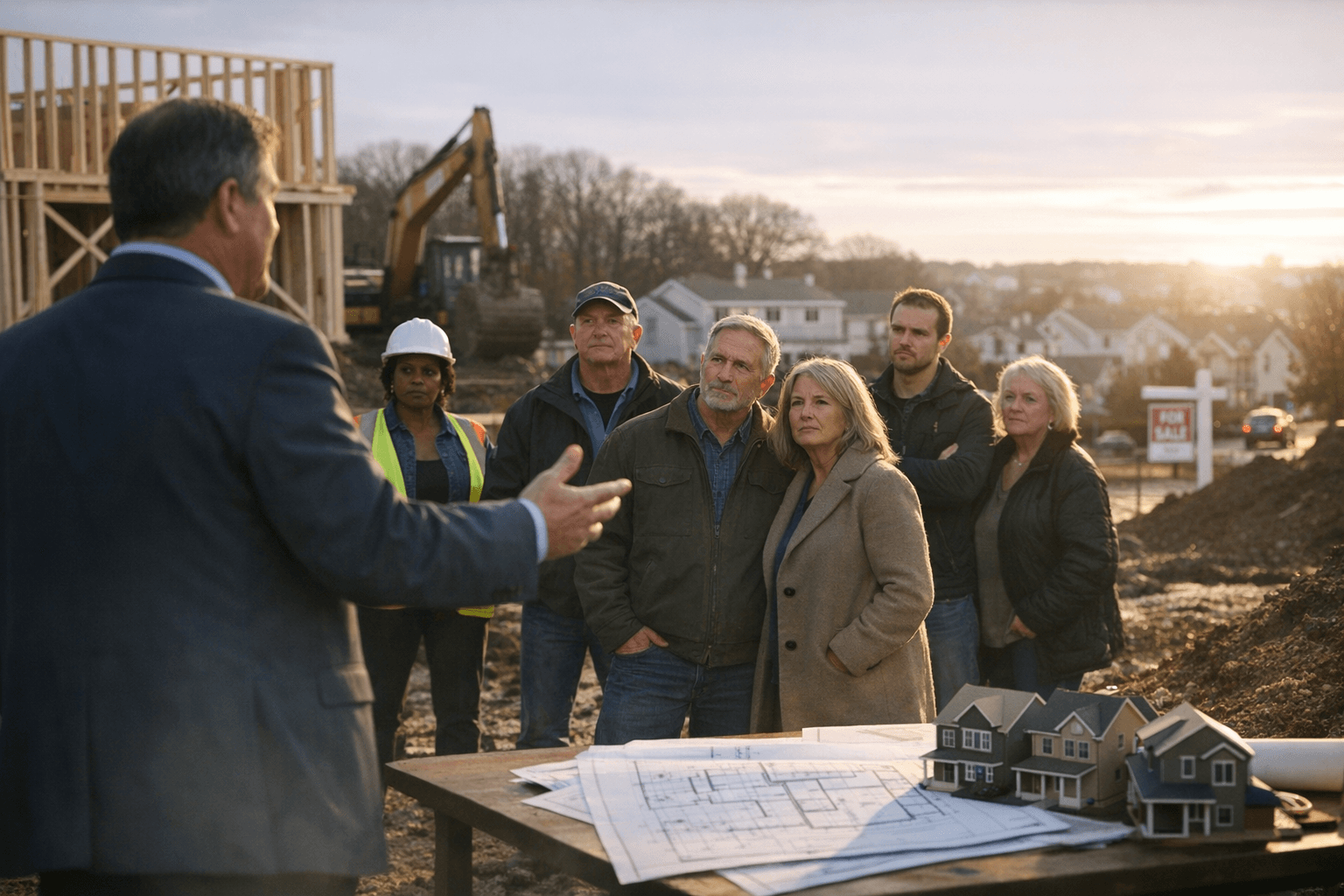
For homeowners, prospective buyers and municipal taxpayers in Suffolk, that matters in practical ways. LIBOR advocacy can affect planning-board deliberations, the pace of new construction, and negotiations over inclusionary zoning or infrastructure contributions tied to development. The organization’s collaboration with elected officials at the installation suggests coordination will extend into hearings and local forums where land-use decisions are made.
Economically, a focused year of advocacy by a major regional trade group can amplify industry concerns about inventory, permitting and regulatory costs; it can also channel attention to workforce housing and community development funding needs. How local governments respond will shape near-term construction activity and the longer-term supply dynamics that underlie home prices and affordability across Long Island.
For residents, the immediate implication is heightened engagement between the real-estate sector and county and town officials through 2026. Expect LIBOR to press those priorities at municipal meetings and to seek partnerships that could accelerate or reshape local housing initiatives. The choices made this year by planners and legislators will influence how Suffolk County balances growth, services and affordability in the years ahead.
Sources:
Know something we missed? Have a correction or additional information?
Submit a Tip