Apartment Living with High-Energy Dogs Requires Cognitive Work Not Just Cardio
Apartment owners of working and herding dogs are finding that physical exercise alone is not enough; mental tasks and structured routines matter for behavior and neighbor peace.
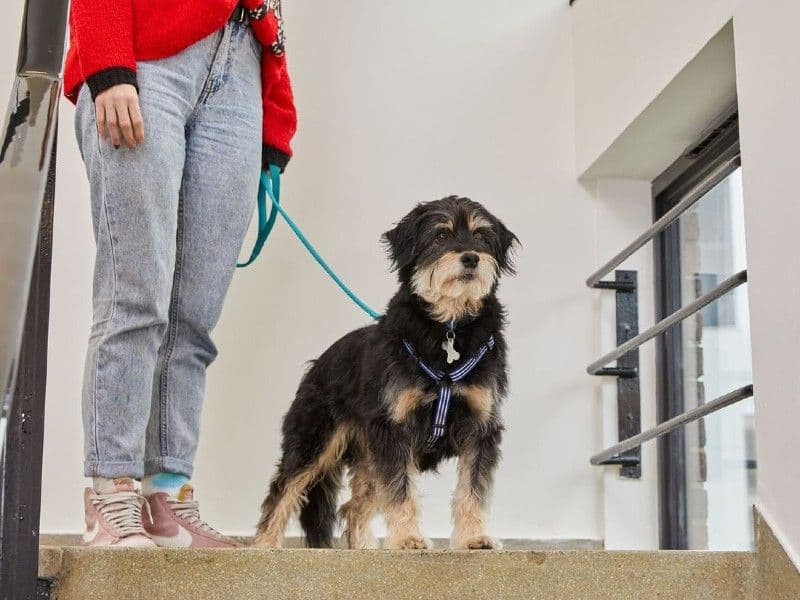
Owners squeezing Border Collies, Australian Shepherds and other high-drive dogs into one-bedroom layouts face a common surprise: cardio alone rarely calms a herding or high-drive dog — owners must deliver tasks that require cognitive co. That line appears in a PetTalkDaily piece by Nisa Okten but is truncated in the excerpt and requires retrieval of the full sentence for complete context.
Limited green space and cramped interiors compound the problem. Julius-K9 USA warns that apartment living often means reduced access to parks and can produce pent-up energy, restlessness, and behavioral problems. Close neighbors amplify stakes; Julius-K9 USA notes excessive barking or jumping can affect those living next door, making management a community concern as much as a household one.
Wagbar frames the breed calculus more sharply. Wagbar lists Border Collies, Australian Shepherds, and Belgian Malinois as “High-Energy Breeds Requiring Commitment,” saying these dogs can work in cities only with owners who provide 2+ hours of focused exercise and mental stimulation daily. Wagbar contrasts a 10-pound Jack Russell Terrier with a calm 60-pound Greyhound that “sleeps 20 hours per day” to underline that size is not the same as suitability for apartment life. Wagbar also flags Beagles, most hounds, and some terriers as “Naturally Vocal Breeds” that may struggle with apartment noise restrictions, and warns that sighthounds and terriers with strong prey drives can be challenging in dense urban settings.
Practical fixes live in the middle distance between walks and walls. Julius-K9 USA recommends interactive toys as an effective way to keep high-energy dogs mentally engaged in small spaces and describes its own line as made with quality materials in different shapes, sizes, and textures. Treat that phrasing as vendor claims rather than independent proof. TheHealthyPetHouse focuses on routine and in-home tactics: regular varied outdoor sessions, indoor fetch or tug-of-war, gradual alone training to reduce separation anxiety, engaging toys, a cozy secure spot for downtime, pheromone diffusers, consistent daily schedules, and regular grooming with eco-friendly cleaners.
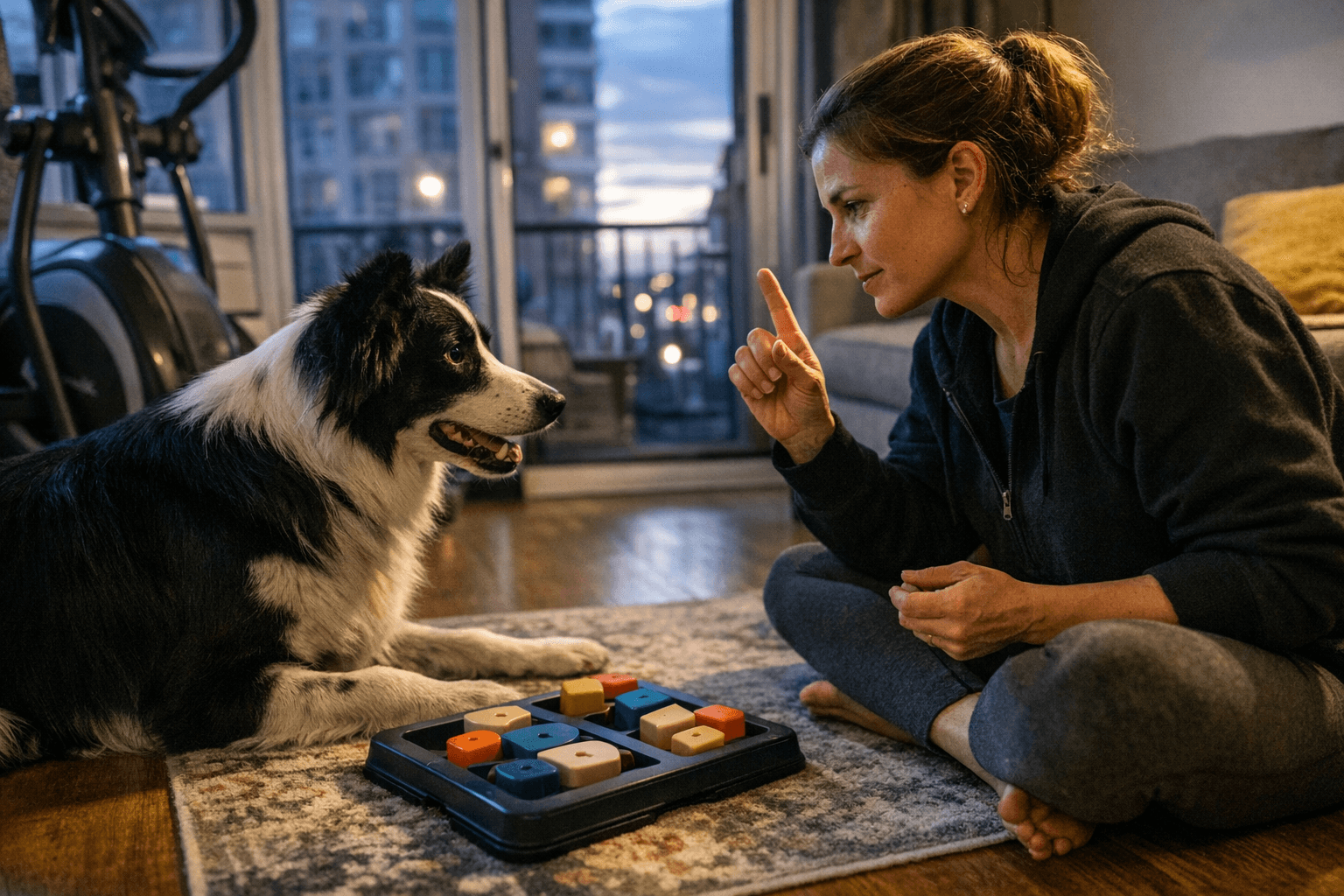
For apartment residents, the takeaway is specific: if you choose a working or herding breed, plan on at least 2+ hours a day that combine focused physical activity and structured cognitive work. If daily life cannot support that, consider breeds like Bichon Frise or Boston Terrier that TheHealthyPetHouse describes as adaptable and content with moderate exercise. Check vendor claims about toys and gear before buying and consult a certified trainer or veterinary behaviorist when destructive or anxious behaviors emerge.
Matching a dog to your urban routine keeps floors intact, reduces noise complaints, and preserves the bond you wanted when you adopted. Expect to trade extra leash miles for brain games, and plan neighbor-friendly strategies before energy turns into trouble.
Know something we missed? Have a correction or additional information?
Submit a Tip