Apollo 11’s hidden army powered the moon landing mission
Apollo 11 was never just three astronauts. About 400,000 workers, from engineers to seamstresses, carried the mission to the Moon and into the world’s living rooms.
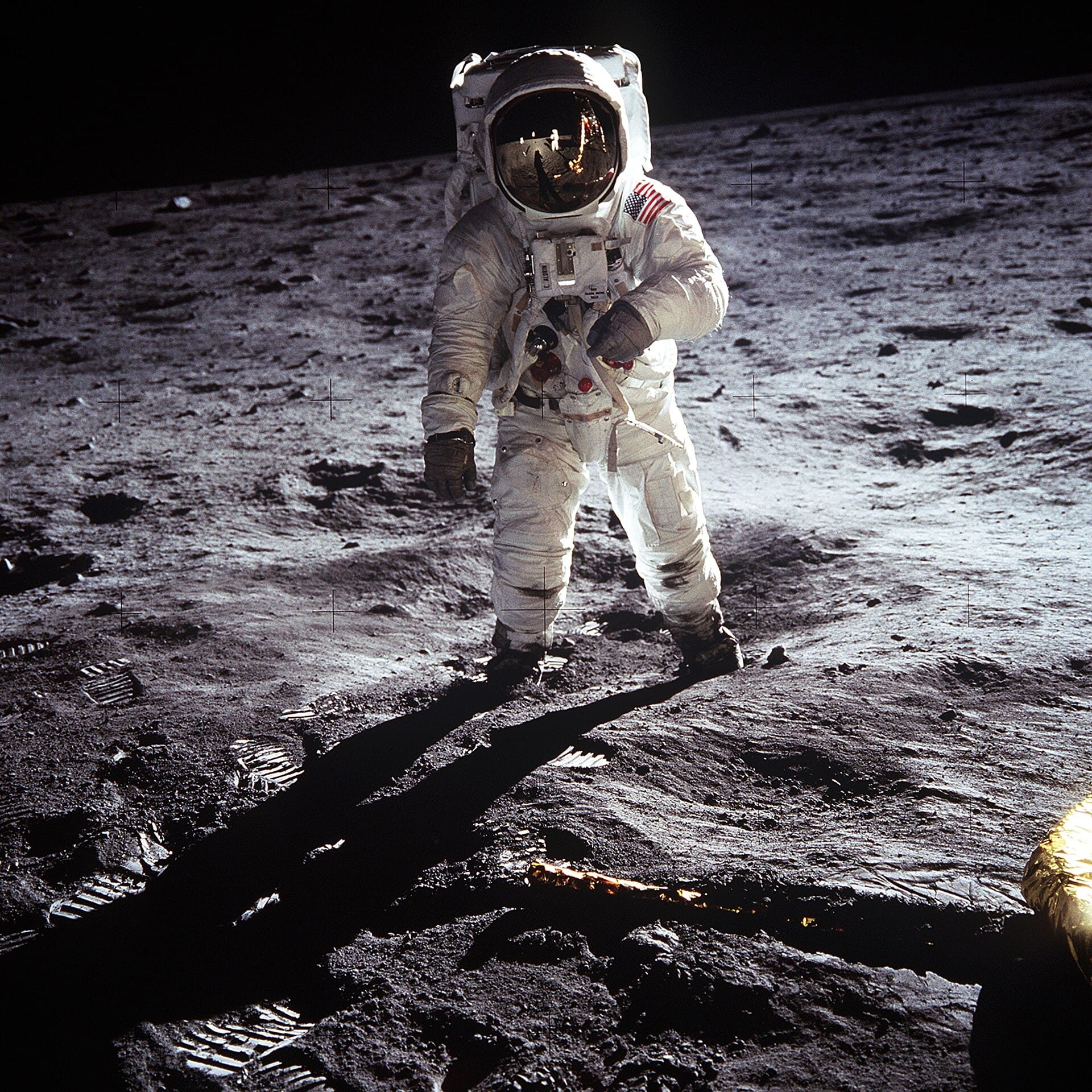
Apollo 11’s most famous moments were made possible by a workforce so large it blurred the line between spaceflight and national mobilization. Neil Armstrong and Buzz Aldrin took humanity’s first steps on the Moon, but about 400,000 people working across the United States built, tested, supplied, and supported the mission that put them there.
The hidden workforce behind Apollo 11
The standard image of Apollo 11 centers on the astronauts, the Lunar Module, and the grainy black-and-white footage from the Moon. That image leaves out the scale of the operation on the ground. Engineers, scientists, mechanics, technicians, pilots, divers, seamstresses, secretaries and many others were part of the effort that made the mission possible.
That workforce stretched far beyond Cape Canaveral and Kennedy Space Center in Florida. It included people who designed systems, assembled hardware, handled logistics, managed schedules, maintained equipment, and kept the entire operation moving under immense pressure. The achievement depended not only on technical brilliance, but on coordination across thousands of tasks that had to align on a precise timeline.
From Launch Complex 39A to the lunar surface
NASA’s mission history places Apollo 11’s launch on July 16, 1969, from Launch Complex 39A at Kennedy Space Center in Florida. Four days later, on July 20, 1969, Armstrong and Aldrin landed on the Moon. Those dates frame the public milestone, but they also reveal how narrow the margin was between planning and execution.
A launch from Florida did not become a Moon landing by accident. The vehicle, the launch site, the communications network, the recovery planning and the spacecraft itself all had to work together. Apollo 11 became the decisive test of that system, and the launch and landing dates now function as a compact timeline for one of the most coordinated public projects in American history.
JoAnn Morgan and the people the cameras missed
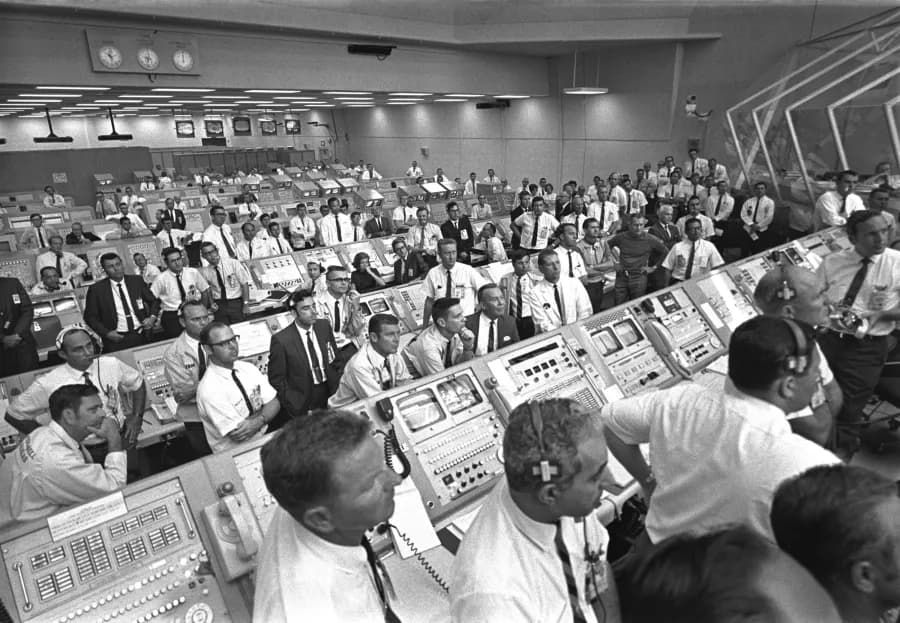
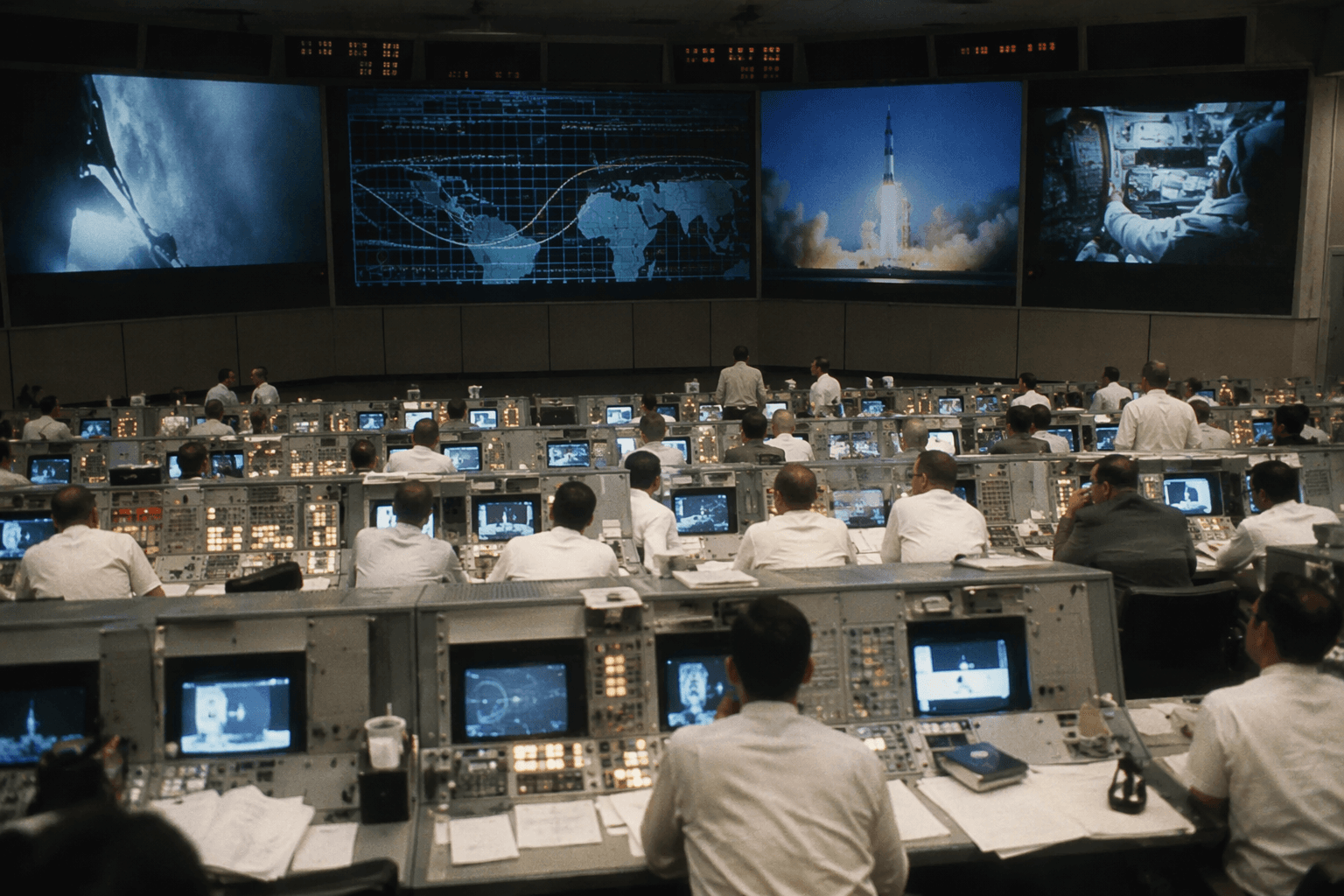
One of the clearest windows into the unseen side of Apollo 11 is JoAnn Morgan, pictured in a NASA photograph watching the launch from the firing room during liftoff at Cape Canaveral. Morgan worked on Apollo 11 and later became Kennedy Space Center’s first female senior executive, before retiring in 2003.
Her career shows how the mission depended on expertise that rarely made it into the hero narrative. The firing room, the launch sequence, and the people monitoring the systems were as essential to the outcome as the astronauts themselves. Morgan’s path from Apollo 11 to senior leadership at Kennedy Space Center also reflects how the space program created opportunities for highly skilled workers whose names were not always attached to the famous moments they helped produce.
How the mission became a public event
Apollo 11 was not only an engineering feat, it was also a shared public spectacle. The New York Times put the global live audience at about 600 million people, a reminder that the mission unfolded before one of the largest television audiences in history. That scale changed the meaning of the work behind the scenes. Every checklist, launch decision and recovery operation had the weight of a worldwide audience watching in real time.
CBS News gave the mission a long afterlife in its archives, including special coverage of Apollo 11 and later material on the splashdown. That preservation matters because the mission was never just the moment Armstrong stepped onto the lunar surface. It included the launch, the descent, the return, and the recovery, each part documented and revisited as a public record of what the United States chose to build, fund and broadcast.
Randall Pinkston’s 2009 profile and the labor story
Randall Pinkston’s 2009 reporting helped bring the workforce story into focus by turning attention toward one of the people who had helped carry the mission from the ground. That kind of reporting matters because the Apollo story is often flattened into a tale of individual daring, even though the evidence points to a far larger system.
The labor behind Apollo 11 was not symbolic or decorative. Seamstresses made materials that fit the mission’s exacting needs. Divers supported recovery operations. Pilots, mechanics and technicians kept aviation, hardware and support systems ready. Secretaries and administrators handled the flow of information that large-scale operations require. The mission depended on each of those roles, and the 400,000-person figure captures the true breadth of the undertaking.
What Apollo 11 reveals about public investment
Apollo 11 remains a case study in what sustained public investment can produce when institutions are aligned around a defined goal. NASA’s historical summaries, the mission’s launch from Launch Complex 39A, and the immense support structure around it all point to a government effort that required planning, funding, and administrative discipline at scale.
The public often remembers the astronauts because they were the visible face of the mission. The record shows something larger: a national project that mobilized specialists across professions, connected Florida to the rest of the country, and reached an audience of about 600 million people worldwide. Apollo 11 was a moon landing, but it was also an administrative and industrial achievement, powered by the kind of hidden expertise that makes a defining national milestone possible.
This article was produced by Prism’s automated news system from verified source data, official records, and press releases, then run through automated quality and moderation checks before publishing. The system is built and supervised by the people who set the standards it runs under. Read our full AI policy.
Did this article answer your question?