Apotex Wins First Tentative FDA Approval for Generic Ozempic Semaglutide Injection
Apotex won the first-ever tentative FDA approval for generic semaglutide, but patents blocking Ozempic's $349/month price tag won't fall until at least 2031.
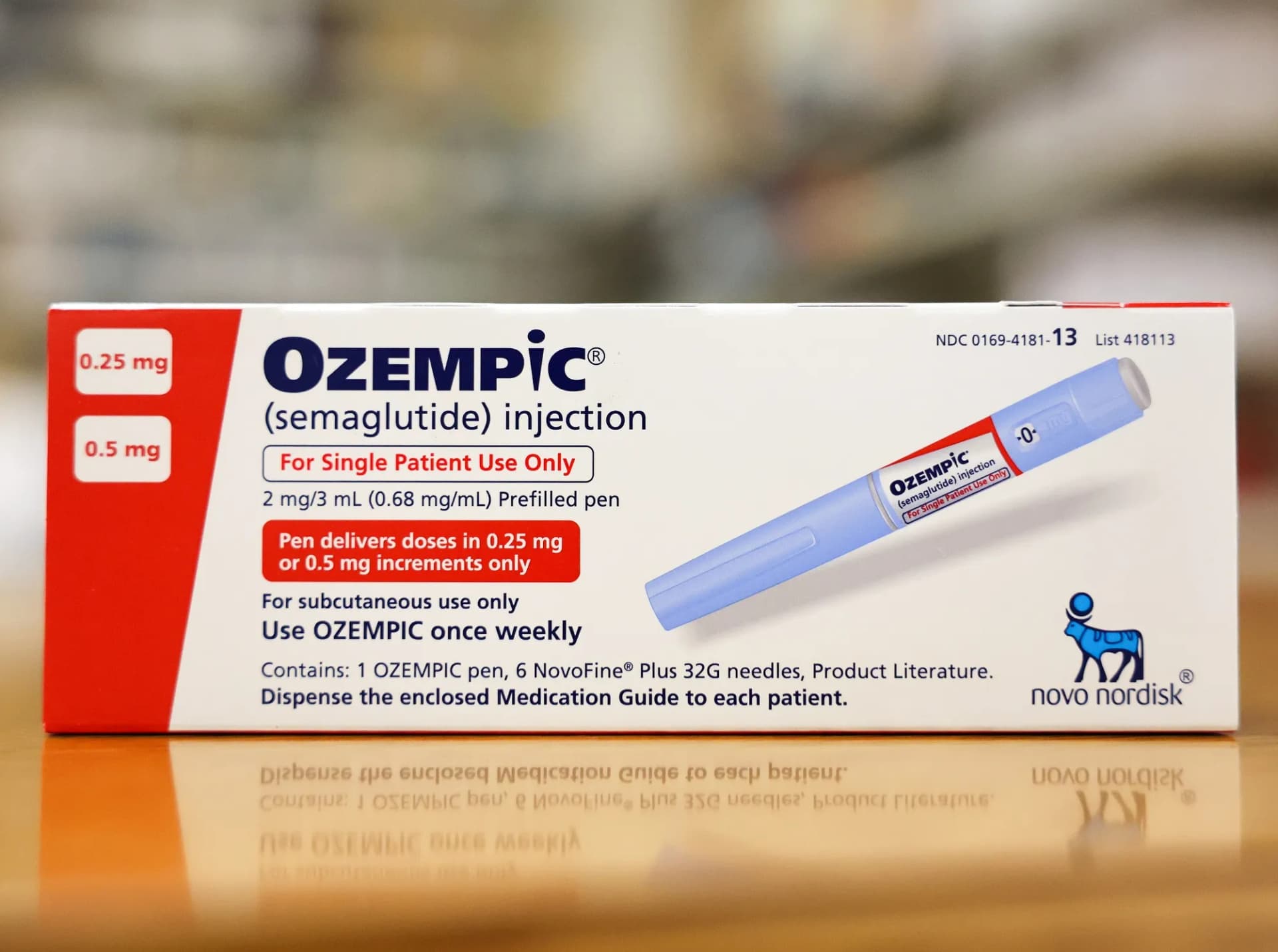
The FDA has handed Apotex Corp. a landmark but carefully bounded victory: the first-ever tentative approval for a generic version of semaglutide injection, the active ingredient in Novo Nordisk's Ozempic and Wegovy. The regulatory milestone, announced April 10 by Apotex and its development partner, Hyderabad-based Orbicular Pharmaceutical Technologies, confirms that the agency has found the generic product therapeutically equivalent to the brand-name reference drug. It does not mean Americans will find cheaper semaglutide at a pharmacy anytime soon.
Under the Hatch-Waxman framework, a tentative approval signals that an application has cleared the FDA's scientific bar while the agency withholds final marketing authorization until patent disputes and exclusivity arrangements are resolved. In Apotex's case, that legal terrain is dense. Novo Nordisk's core composition patent on semaglutide, US Patent 8,129,343, was filed in 2007 and has been extended to December 2031 to account for time lost during FDA review. A second key patent runs through June 2033. Industry analysts, including those at Markman Advisors, project a practical US generic entry date around 2032, aligning with the expiration of the composition patent and the likely terms of patent settlements.
Those settlements have already been struck. In October 2024, Novo Nordisk and Apotex, along with Mylan Pharmaceuticals, Dr. Reddy's Laboratories, and Sun Pharmaceuticals, filed joint motions to terminate inter partes review proceedings over US Patent 10,335,462, which covers specific semaglutide dosages for type 2 diabetes. The terms of all four settlements remain confidential, leaving the precise licensed entry date unknown to the public and to investors.
What hangs in the balance is enormous. Semaglutide generated combined global sales of $26 billion in 2024, growing at roughly 40% annually. Self-pay patients in the United States currently face list prices of $349 per month for Ozempic at standard doses and $499 per month for the 2 mg formulation. Wegovy, approved at higher doses for chronic weight management, carries similar price architecture. Generic competition, when it finally arrives, has historically driven prices down by 80 to 90 percent on small-molecule drugs; the trajectory for a complex peptide injectable will likely be less dramatic but still substantial.
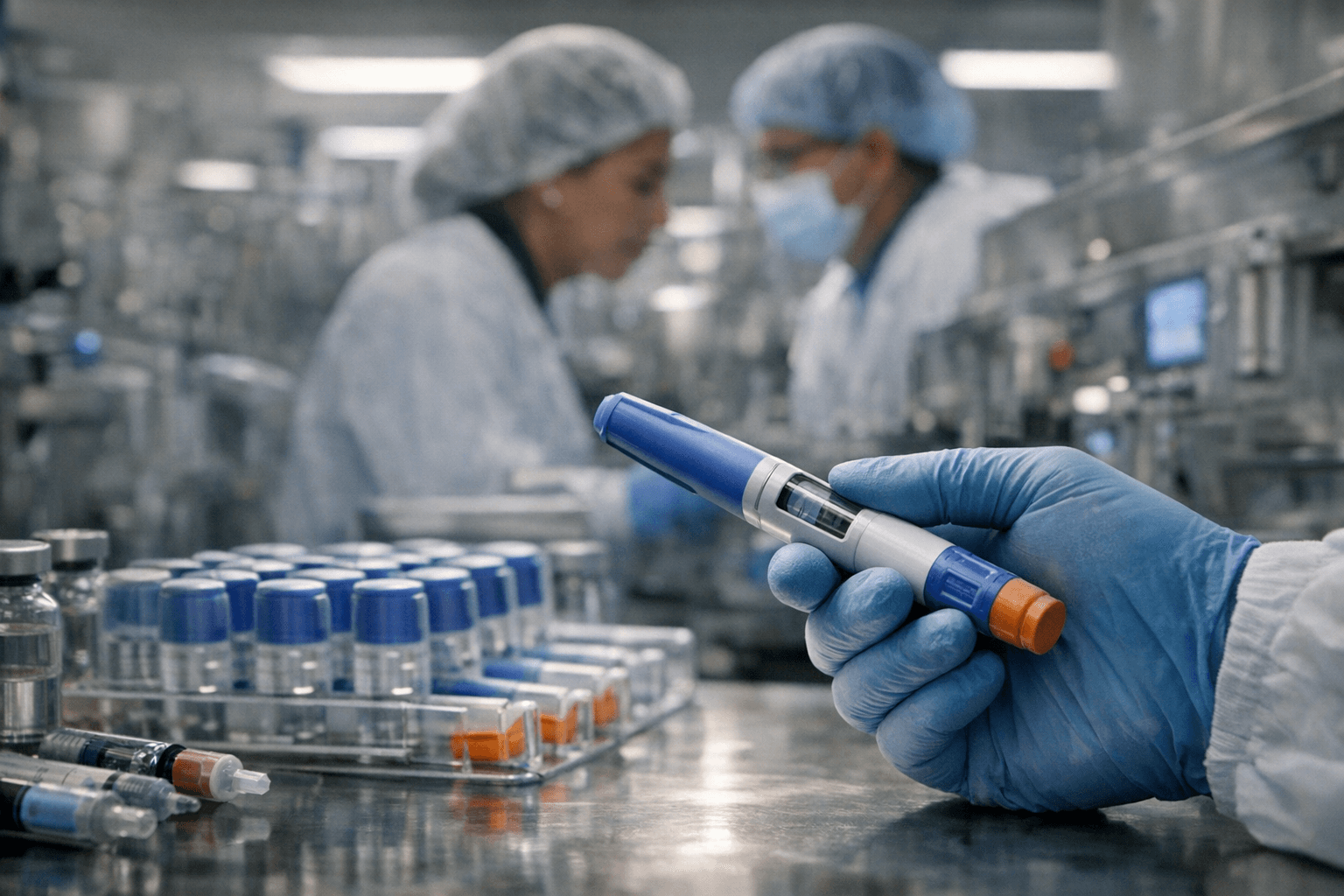
The complexity of manufacturing a peptide injectable distinguishes this approval from a typical small-molecule generic filing. Apotex has framed its partnership with Orbicular as central to meeting the FDA's advanced analytical standards for a product that requires cold-chain logistics, precise formulation stability, and manufacturing processes that differ fundamentally from pill generics. At least 13 companies have contacted the FDA to express interest in marketing generic semaglutide, according to agency data, suggesting that Apotex's tentative approval will accelerate competing filings from manufacturers including Sandoz and Hikma.
For payers and pharmacy benefit managers watching GLP-1 drug costs consume a growing share of pharmacy budgets, Apotex's regulatory milestone represents a credible competitive threat on the horizon, even if it lands in the mid-2030s rather than next year. Compounding pharmacies, which expanded access to semaglutide during periods of drug shortage, have already faced regulatory pressure as supply normalized. A true generic would further reshape that landscape, shifting dispensing back toward conventional retail and specialty channels and giving insurers new leverage in negotiations with Novo Nordisk well before a generic actually reaches shelves.
The tentative approval is, in the language of drug development, a proof of concept: Apotex has demonstrated it can manufacture a complex peptide injectable that meets the FDA's therapeutic equivalence standard. Whether that translates into a prescription a patient can actually fill at a lower cost depends entirely on a legal clock that, by most informed estimates, runs for at least another five years.
This article was produced by Prism’s automated news system from verified source data, official records, and press releases, then run through automated quality and moderation checks before publishing. The system is built and supervised by the people who set the standards it runs under. Read our full AI policy.
Did this article answer your question?