Appeals court blocks order to restore Washington slavery exhibit in Philadelphia
A federal appeals panel blocked an order to restore Philadelphia’s slavery exhibit, leaving the National Park Service in control of a display centered on George Washington’s nine enslaved Africans.

Federal control of the President’s House exhibit in Philadelphia survived another legal challenge after a three-judge appeals panel threw out an order that would have forced the National Park Service to put the slavery panels back in place. The ruling keeps alive a larger fight over who gets to define the national story at a federally significant site built around George Washington’s former residence.
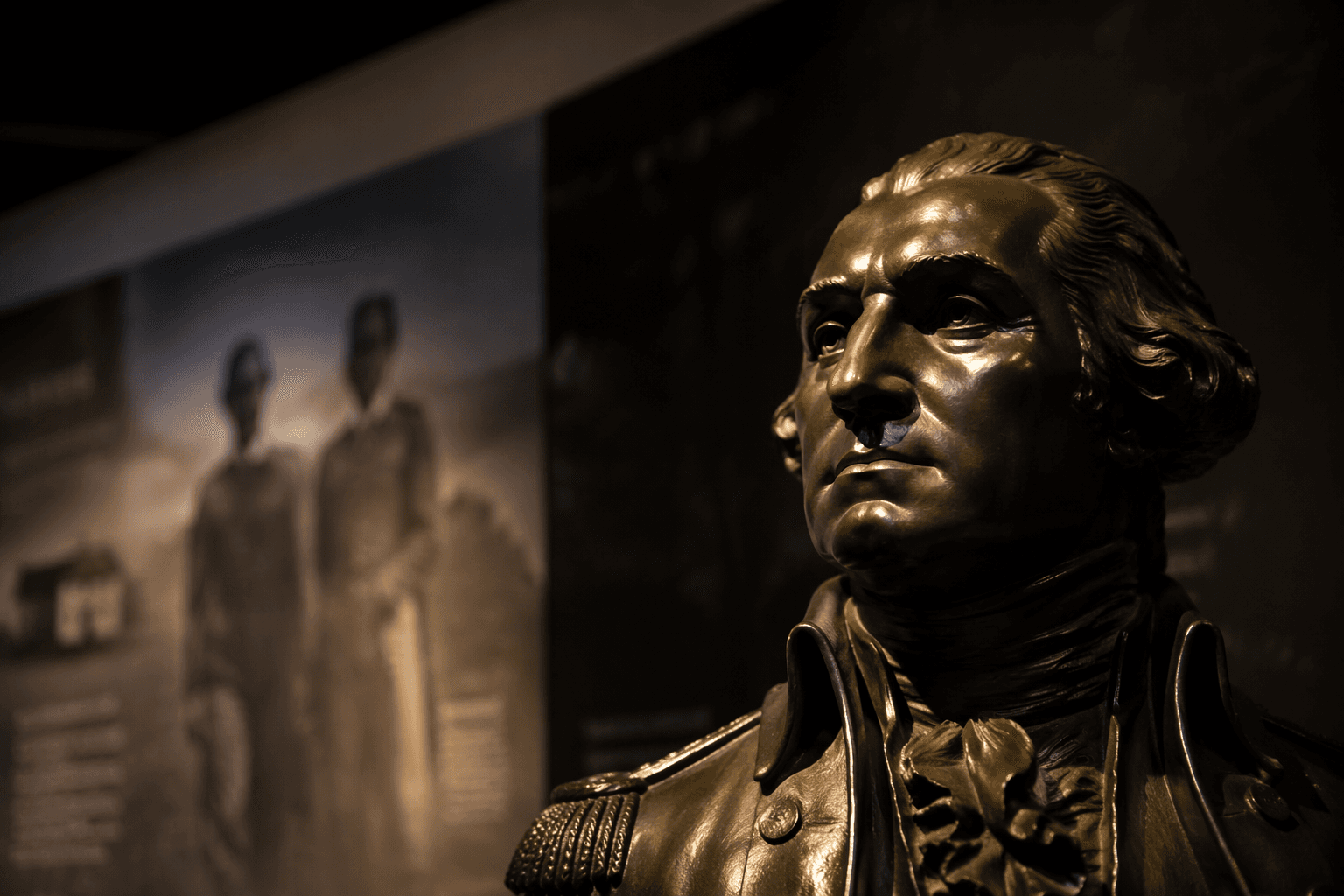
The dispute centers on the President’s House site at Independence National Historical Park, where the park service removed slavery-related panels, displays and video exhibits on January 22, 2026. The material had honored the nine enslaved Africans held there by Washington: Oney Judge, Austin, Christopher Sheels, Giles, Hercules Posey, Joe Richardson, Moll, Paris and Richmond. The memorial and interpretive exhibit, titled “President’s House: Freedom and Slavery in the Making of a New Nation,” opened in December 2010 and was designed to tell the story of both Washington’s household and the people enslaved there.
Philadelphia sued after the removal, arguing that the National Park Service violated federal law and longstanding cooperative agreements tied to Independence National Historical Park, which date to Congress’s creation of the park in 1948. A federal judge, Cynthia Rufe, agreed on February 16 and ordered the panels restored. She said the administration’s effort to strip the displays on Washington’s birthday and under President Donald Trump’s direction risked erasing the truth about slavery.
The Third Circuit Court of Appeals later reversed that order, saying the lower court lacked jurisdiction over the city’s claims. Administration lawyers had argued that the federal government can control messages on federal land and that Philadelphia could not claim a veto over the story told at a national historic site.
The case has drawn attention well beyond Philadelphia because the President’s House site is tied to the Underground Railroad and to a broader battle over how the founding era is publicly interpreted. The U.S. House of Representatives urged commemoration of the enslaved people there in 2003, and in 2022 the National Park Service designated the site a National Underground Railroad Network to Freedom site because of Oney Judge’s escape to freedom. The site itself was uncovered in 2000 during work connected to relocating the Liberty Bell, setting off the preservation effort that eventually produced the memorial now at the center of the fight.
Supporters of the exhibit say the removal fit a wider Trump administration effort to sanitize public history before the nation’s 250th anniversary in 2026. The appeals court did not settle the historical dispute, but it left the federal government’s hand firmly on the levers of interpretation at one of Philadelphia’s most contested public sites.
This article was produced by Prism’s automated news system from verified source data, official records, and press releases, then run through automated quality and moderation checks before publishing. The system is built and supervised by the people who set the standards it runs under. Read our full AI policy.
Know something we missed? Have a correction or additional information?
Submit a Tip