Oklahoma voters reject minimum wage hike, keep $7.25 floor
A full-time worker at $7.25 earns about $290 a week before taxes, and Oklahoma voters still rejected a move to lift the floor to $15 by 2029.
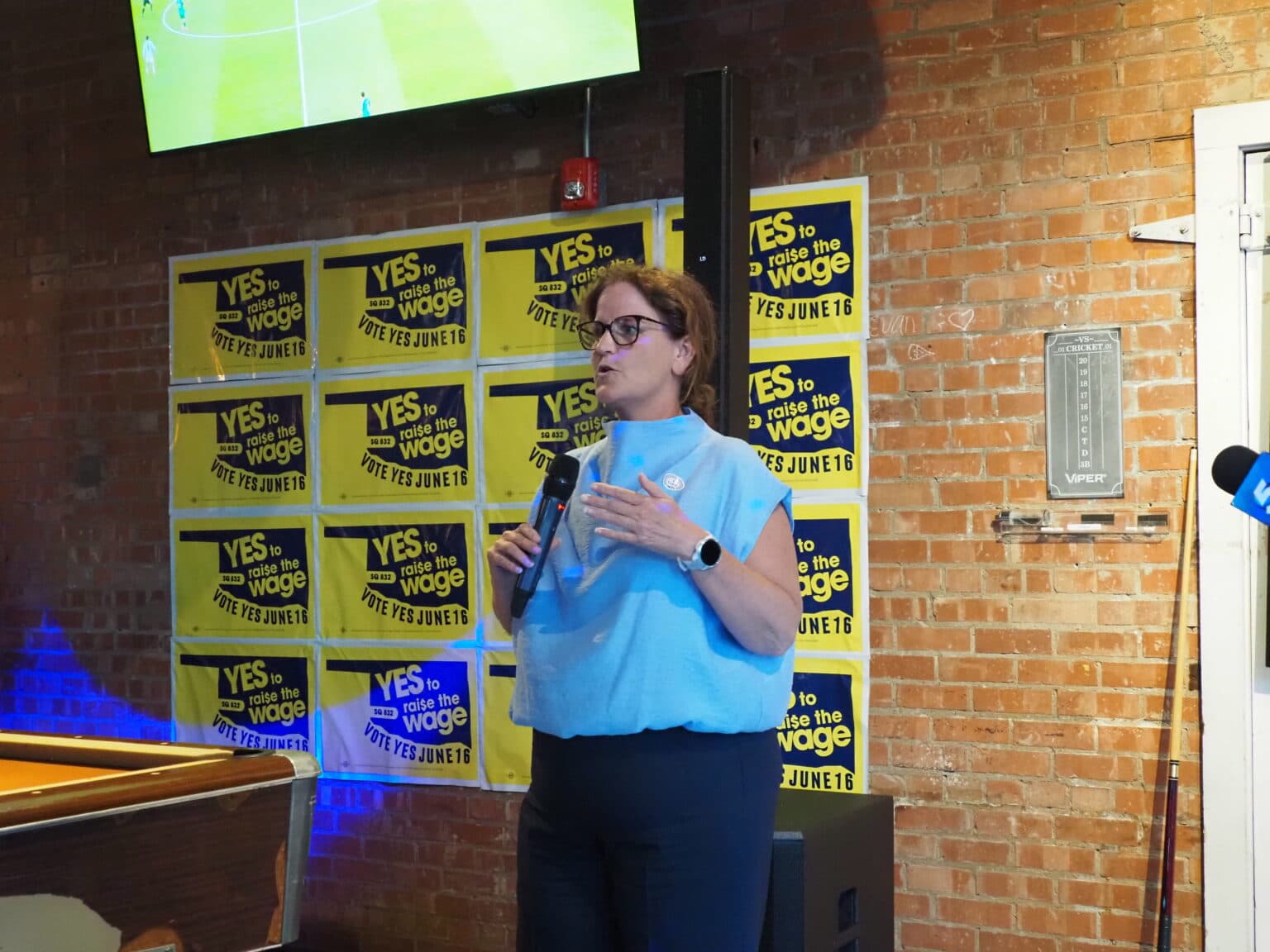
At $7.25 an hour, a full-time worker in Oklahoma brings in about $290 a week before taxes, or roughly $15,080 a year. Voters on June 16 chose to leave that floor in place, turning back State Question 832 and keeping the state tied to the federal minimum wage that has been unchanged since July 24, 2000.
Unofficial results showed a clear defeat. Ballotpedia reported 348,914 no votes, or 55.38%, to 281,171 yes votes, or 44.62%. News 9 put the margin closer to 57% no and 43% yes. However it was tallied, the result ended a campaign that sought to push Oklahoma from the lowest tier of wage states into a schedule of automatic increases.

State Question 832 would have amended the Oklahoma Minimum Wage Act and eventually raised pay to $15 an hour in 2029, with future increases tied to the cost of living beginning in 2030. Oklahoma election officials’ ballot-title summary said employers would have had to pay at least $9 an hour beginning in 2025, then add $1.50 a year to reach $15 in 2029. Because the vote came later than the original schedule, reporting before the election said the first practical step would have been a jump to $12 in 2027.
The campaign became a notable test of red-state wage politics because it drew support from outside the usual partisan lines. Republican Labor Commissioner Leslie Osborn publicly endorsed the measure, arguing it would help workers and cut reliance on government assistance. Raise the Wage Oklahoma led the signature drive and voter outreach effort, while opponents warned the proposal would hurt jobs and drive up prices.
Governor Kevin Stitt put the question on the June 16 ballot by executive order, and state election officials said all registered voters were eligible to vote on it. The measure appeared alongside high-profile primary contests, but it was the wage question that most directly measured how Oklahoma voters now weigh low pay, inflation and the cost of living. The defeat leaves workers in retail, restaurants and other low-wage jobs at the same $7.25 floor, and it shows how hard it remains to build a durable coalition for higher pay in a deeply conservative state.
This article was produced by Prism’s automated news system from verified source data, official records, and press releases, then run through automated quality and moderation checks before publishing. The system is built and supervised by the people who set the standards it runs under. Read our full AI policy.
Know something we missed? Have a correction or additional information?
Submit a Tip