Appeals court hears dispute over history at George Washington's home
More than 100 people packed a ceremonial courtroom as judges weighed who controls the slavery exhibit at Washington’s former Philadelphia residence.
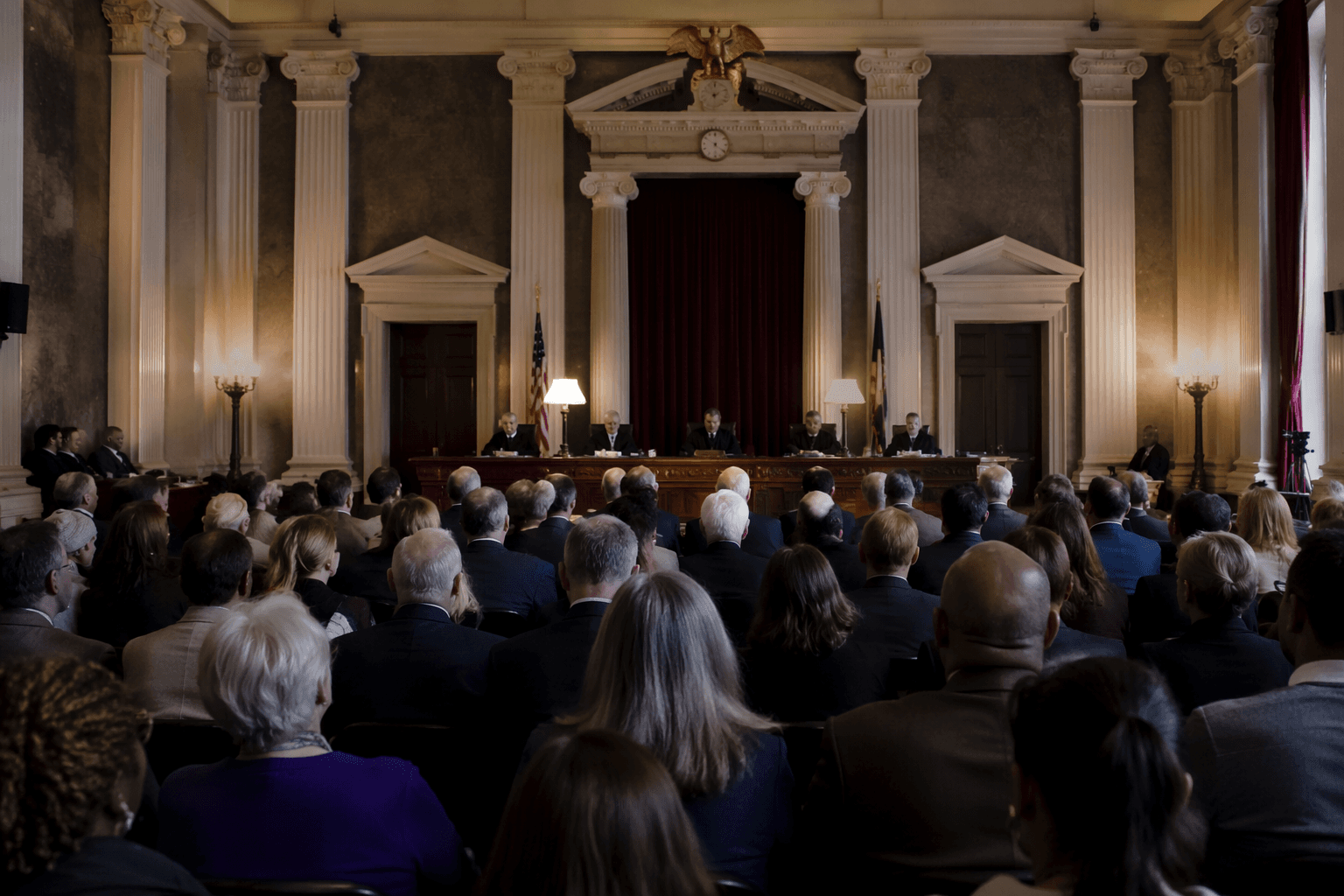
More than 100 onlookers filled a ceremonial courtroom as a federal appeals court heard arguments over who controls the story told at George Washington’s former home on Independence Mall, where the government’s display of slavery history remains only half-restored. The dispute centers on whether the National Park Service can keep altering the President’s House Site, a landmark tied to both the presidency and the nine enslaved people Washington held there.
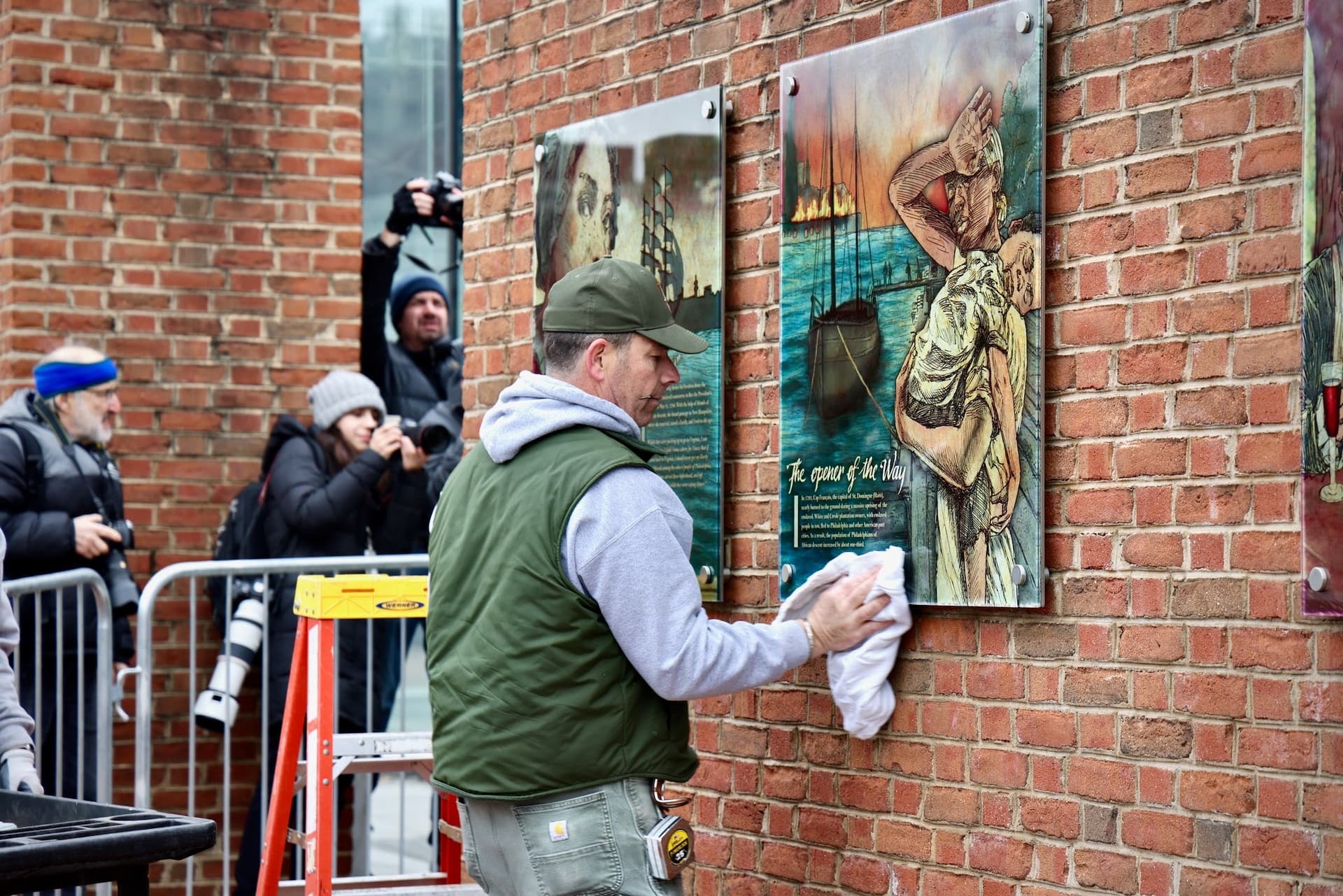
The case grew out of the Trump administration’s move to remove exhibit panels and video material from the site after ordering national parks to avoid displays that “disparage” Americans, including Washington. The National Park Service took down 34 panels and video exhibits from the President’s House Site, then defended the decision as an effort to ensure accuracy, honesty and alignment with shared national values. A federal judge later ruled for Philadelphia and ordered the site restored, setting up the appeal now before the three-judge panel.
At the heart of the fight is the 2006 cooperative agreement between Philadelphia and the park service. The city agreed to develop the exhibit, while the federal government agreed to maintain it, and city lawyers say the arrangement leaves Philadelphia with a residual interest in how the site is presented. Federal lawyers argue the city donated the exhibit to the National Park Service and cannot use an injunction to block changes on federal property. The appeal also turns on whether the Underground Railroad Act gives the government responsibilities that were ignored when the panels were removed.
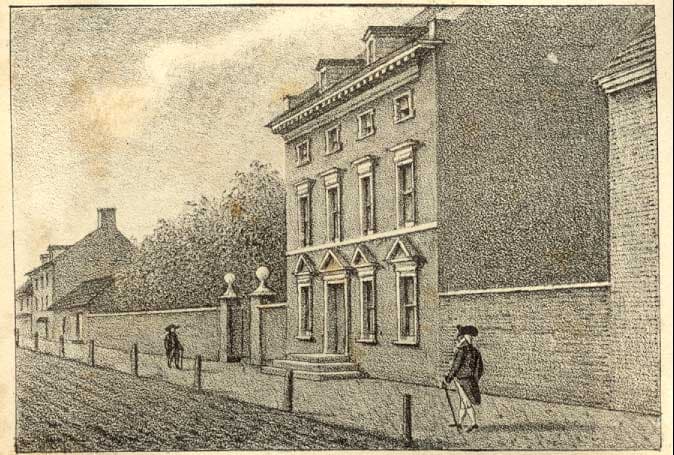
The stakes reach beyond one exhibit. George Washington lived at the Philadelphia residence during his presidency, along with John Adams, and the display at issue is meant to tell visitors about the realities of founding-era slavery. Judge Cynthia Rufe, in the ruling under review, said Washington kept nine enslaved people there and warned that visitors who do not learn that history receive a false account of the country’s past. The appeals court’s decision will help determine whether the public sees the site as a federal showcase or as a guarded account of slavery written into the nation’s memory.
This article was produced by Prism’s automated news system from verified source data, official records, and press releases, then run through automated quality and moderation checks before publishing. The system is built and supervised by the people who set the standards it runs under. Read our full AI policy.
Did this article answer your question?