Appeals court rules Trump ban illegally targeted transgender troops
A split D.C. Circuit panel spared some transgender troops from removal, but left the Pentagon free to keep blocking new enlistments while the fight continues.
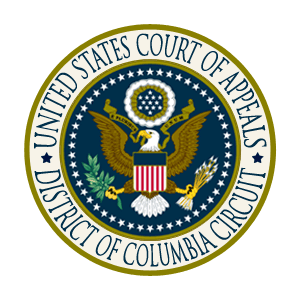
A split federal appeals court on Monday said the Trump administration’s ban on transgender military service was driven by unconstitutional animus, but it stopped short of halting the policy across the armed forces. The 2-1 ruling from the U.S. Court of Appeals for the D.C. Circuit protects only the specific plaintiffs already serving, leaving the Pentagon free to keep enforcing the ban against new transgender enlistees while the case continues.
Judge Robert Wilkins wrote the majority opinion, joined by Judge Judith Rogers. Judge Justin Walker dissented. The majority said the policy reflected “the bare desire to harm a politically unpopular group,” rejecting the administration’s effort to frame the restriction as a medical-readiness measure. That distinction matters because the court concluded the government could not justify a sweeping exclusion that targeted transgender people for service.
The lawsuit was brought by six transgender active-duty service members and two people seeking to enlist. The panel’s narrow remedy means the service members already in uniform keep protection for now, but the ruling does not restore equal access to military service for transgender Americans who are still trying to join. It also leaves the Pentagon’s broader policy intact as litigation proceeds, a result that preserves uncertainty for commanders, recruiters, and troops deciding whether they can remain in the military without being forced out.
The case has moved quickly through a legal and political cycle that has repeated across administrations. Donald Trump signed the executive order shortly after taking office in January 2025. The Pentagon then barred transgender people from enlisting and began discharging active-duty service members. U.S. District Judge Ana Reyes found in March 2025 that the policy likely violated constitutional rights, but the U.S. Supreme Court allowed the ban to take effect in May 2025 while appeals continued. In November 2025, the Pentagon also issued guidance that made it harder for transgender troops to challenge their removal before separation boards.
The policy has carried real consequences for a small but visible part of the force. NPR reported the Pentagon estimated that about 0.2% of U.S. military members experience gender dysphoria. Politico reported that the plaintiffs in the case collectively had 130 years of service and more than 80 commendations, a record that undercut claims that their presence harms readiness. The current ban is also broader than the version Trump pursued in his first term, because it reaches not only enlistment but serving troops as well. The latest ruling gives some current service members temporary protection, but it leaves the larger constitutional fight unresolved and the Pentagon’s exclusionary policy still standing for everyone else.
This article was produced by Prism’s automated news system from verified source data, official records, and press releases, then run through automated quality and moderation checks before publishing. The system is built and supervised by the people who set the standards it runs under. Read our full AI policy.
Know something we missed? Have a correction or additional information?
Submit a Tip