Apple Holds Talks with Indian Firms to Package iPhone Chips
Apple has held early exploratory discussions with select Indian semiconductor and packaging companies about assembling and packaging iPhone components, a move that could shift part of the outsourced semiconductor assembly and test stage to India. If pursued, the step could strengthen supply chain resilience and support Apple’s plan to ramp up iPhone production in India by 2026.

Apple has begun early stage conversations with a handful of Indian semiconductor and packaging firms about moving portions of iPhone chip assembly and packaging to India, according to people familiar with the discussions. The meetings focus on the outsourced semiconductor assembly and test stage, commonly known as OSAT, which is a critical step where finished chips are packaged, tested, and prepared for integration into devices.
One of the companies identified in the discussions is CG Semi, part of the Murugappa Group, which is building an OSAT facility in Sanand in Gujarat. The Sanand plant is under construction and has been mentioned as a potential site for handling some packaging work, though there is no public timetable for when it might begin commercial operations. Other Indian firms were described in the accounts as being among a select group engaged in exploratory talks, but their identities were not disclosed.
Industry observers say display related chips are among the most likely candidates to be handled at an Indian OSAT facility, but the parties involved have not made any decisions about specific chip types or product scope. The conversations are preliminary, and there are no confirmed contracts, timelines, or public commitments from Apple or any of the Indian companies named.
Analysts and industry executives point to diversification and resilience as the strategic rationale behind the talks. Moving some OSAT work to India could reduce concentration risk in East Asia and offer Apple another manufacturing base to complement its existing global footprint. The potential shift aligns with Apple’s broader initiative to increase iPhone production in India by 2026, a program that has already seen device assembly expand in several Indian factories.
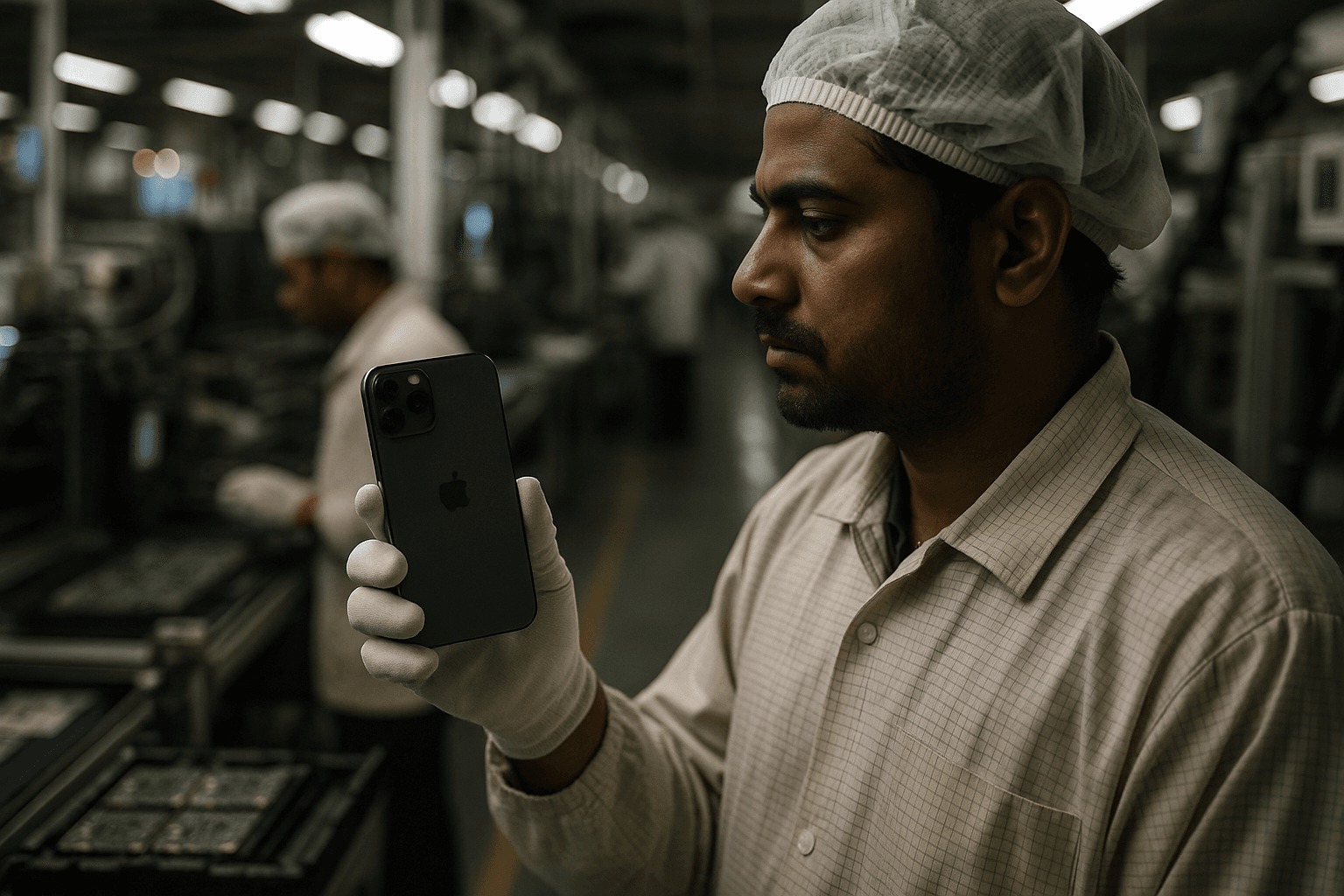
Those potential benefits come with technical and operational challenges. Executives familiar with the market say any Indian OSAT provider would have to meet Apple’s exacting quality standards and demonstrate stable manufacturing yields at commercial scale. Building that OSAT expertise requires not only factory investment but also years of process development, a skilled workforce, and tight supplier coordination. Observers warn that achieving consistent yield and throughput at parity with established OSAT hubs will be a demanding task.
Trade considerations and tariff risks have also been cited by commentators as part of the broader context for Apple’s exploration, though sources emphasize that the talks are exploratory rather than reactive policy moves. For now the conversations remain private, and no party has announced an agreement.
As the discussions proceed, the key questions will be whether Indian firms can rapidly scale OSAT capabilities to Apple grade standards and whether commercial timetables align with Apple’s production targets for 2026. The companies involved have not publicly commented on the substance of the meetings, and any further developments are likely to hinge on technical feasibility, investment commitments, and government and industry support in India.
This article was produced by Prism’s automated news system from verified source data, official records, and press releases, then run through automated quality and moderation checks before publishing. The system is built and supervised by the people who set the standards it runs under. Read our full AI policy.
Did this article answer your question?