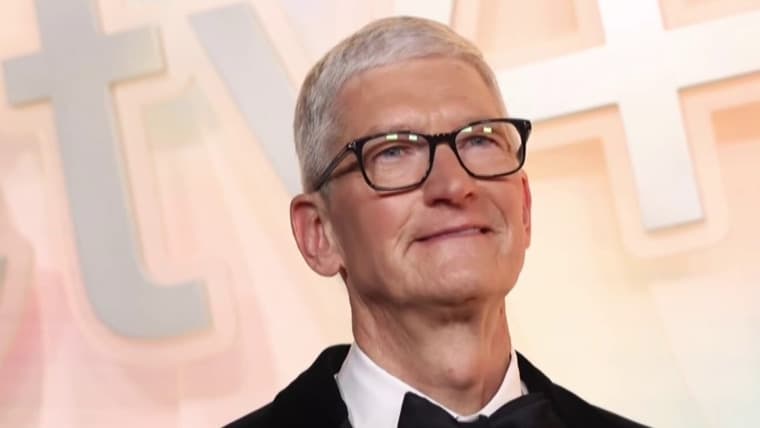
Apple names John Ternus CEO, Tim Cook becomes executive chairman
Apple’s first CEO handoff in 15 years puts a hardware veteran in charge as the company races to answer AI doubts before September.
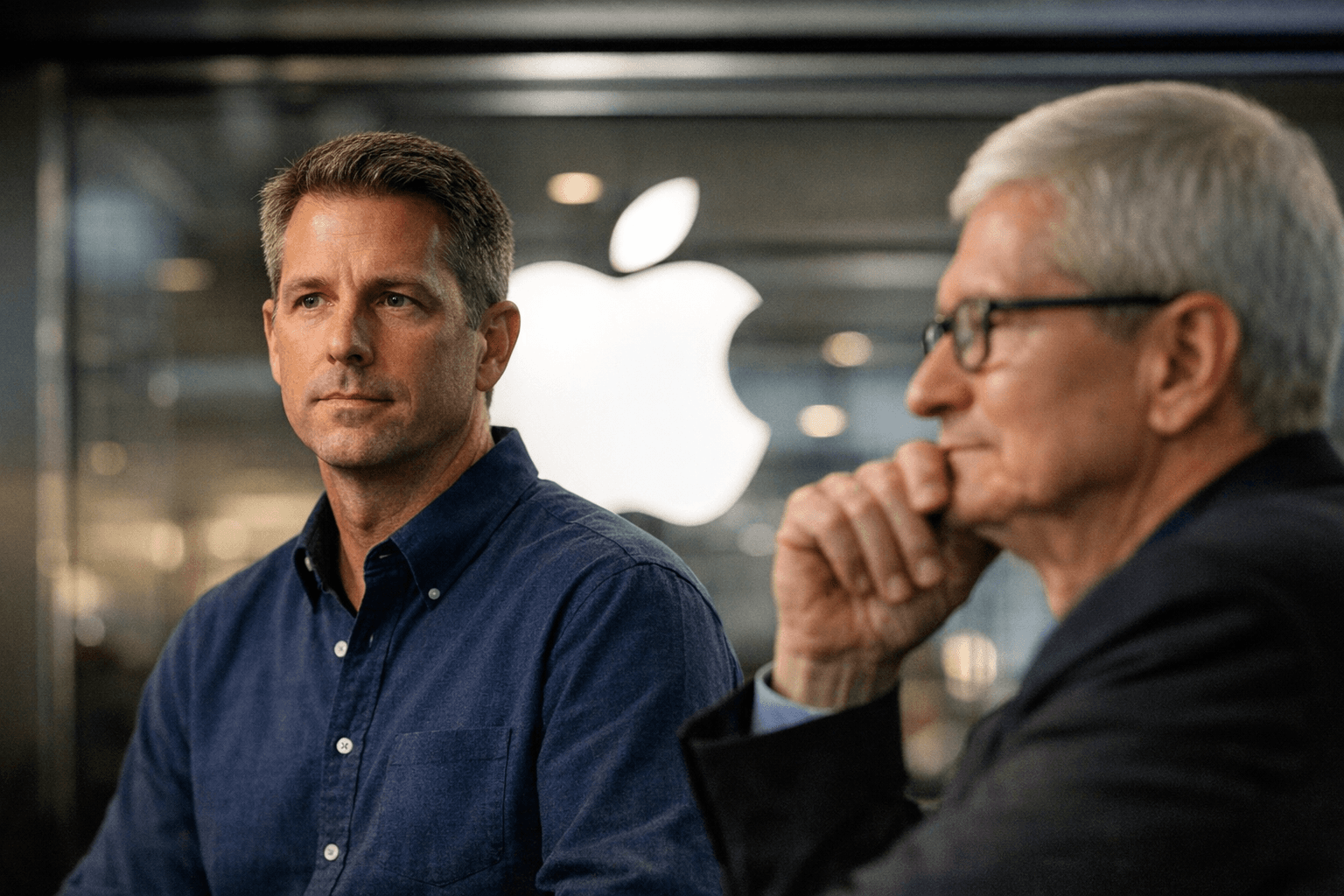
Apple chose John Ternus to succeed Tim Cook, ending the longest stretch between CEO changes in the company’s modern history and signaling a deliberate transfer of power inside Apple Park in Cupertino, California. The transition was approved unanimously by Apple’s board of directors and will take effect on September 1, 2026, with Cook remaining chief executive through the summer to help carry out a smooth handoff.
Cook will move into the role of executive chairman, where Apple said he will help with policy engagement around the world. Arthur Levinson, Apple’s non-executive chairman for the past 15 years, will become lead independent director on the same day Ternus takes over. Apple said the succession followed a thoughtful, long-term planning process, underscoring that this is a managed shift, not an emergency reset.
Ternus arrives with deep product-line credentials and no outside-company detour. He has worked at Apple since 2001, has spent 25 years inside the company, became vice president of Hardware Engineering in 2013, and has been tied to the iPad, AirPods and Apple Watch. His elevation puts a hardware engineer at the top of a company that still sells design, integration and manufacturing discipline as part of its identity, even as it faces a market increasingly defined by artificial intelligence.
The timing matters. Apple is entering this transition with its AI strategy under pressure, after the departure of its AI chief at the end of 2025 and repeated delays to a more intelligent AI-powered Siri. Apple shares fell less than 1% in after-hours trading after the announcement, a sign that investors largely viewed the move as expected, even if the strategic questions remain unresolved.
Cook’s tenure leaves a scale few chief executives have matched. Apple said the company’s market capitalization climbed from about $350 billion when he took over to roughly $4 trillion under his leadership. That record gives Ternus a formidable baseline, but also a narrow margin for error. Between now and September, investors and consumers will be watching for three tests: whether Apple can show real progress on Siri and the wider AI stack, whether Ternus begins to define a clearer hardware agenda beyond inherited product cycles, and whether Cook’s new policy role helps Apple keep trade and tariff pressures contained.
For Apple, the next five months will determine whether this is continuity with a new face or the start of a strategic reset.
Know something we missed? Have a correction or additional information?
Submit a Tip