Apple names John Ternus next CEO as Tim Cook becomes executive chairman
Tim Cook is handing Apple to John Ternus after turning the company into a $391.0 billion revenue machine with a very different culture, supply chain and political stance.
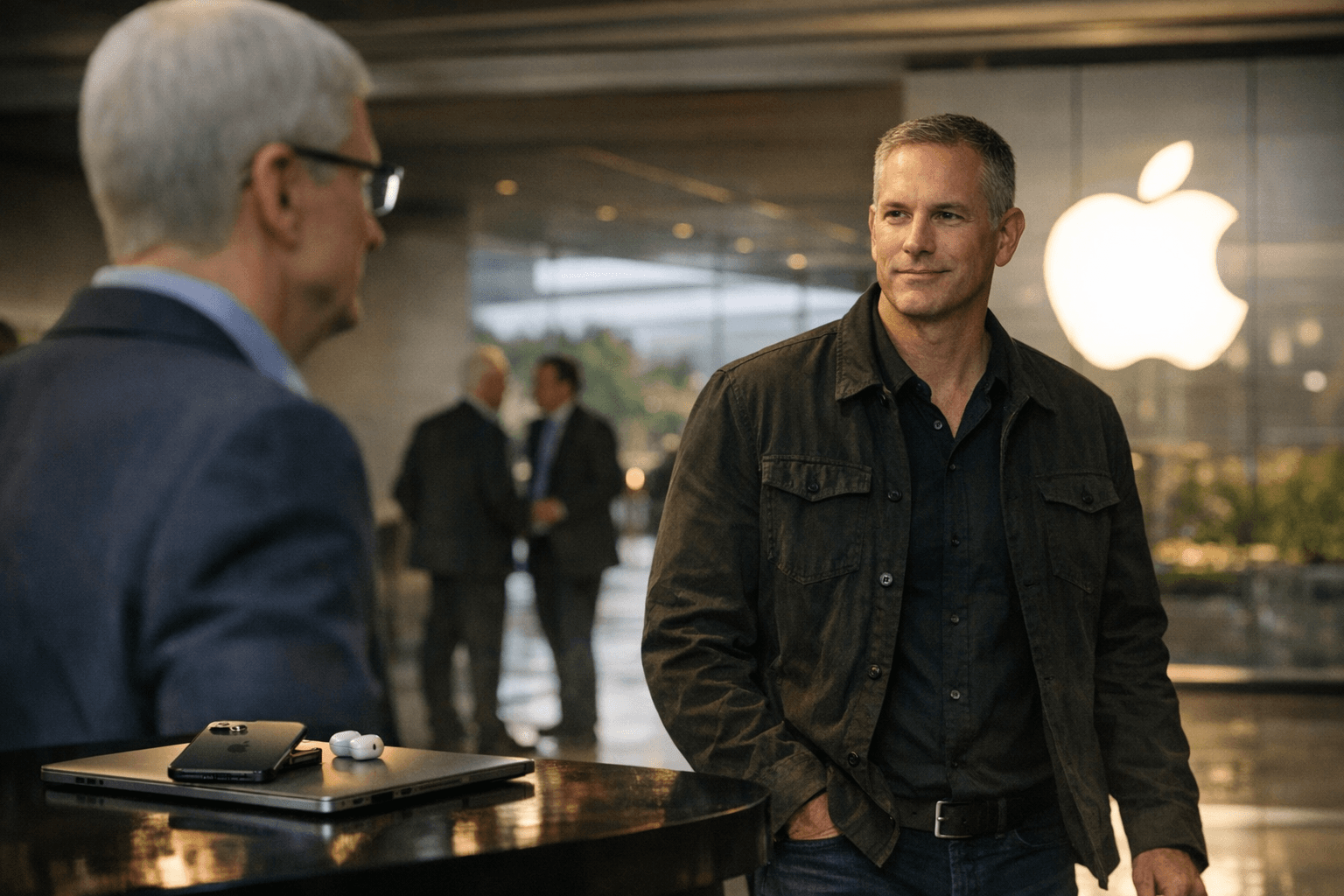
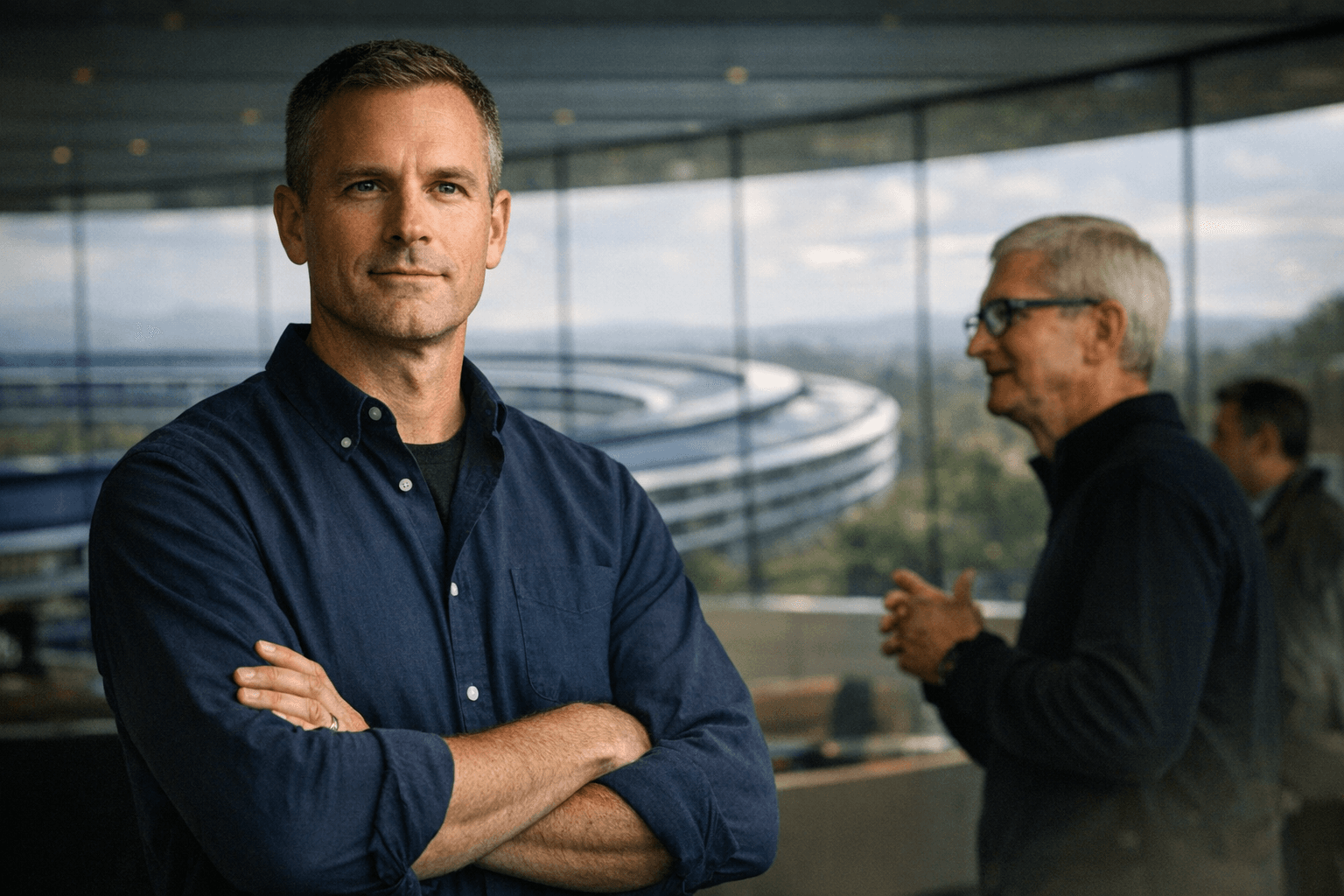
Apple is ending the Tim Cook era with a succession that puts one of its most seasoned hardware leaders in charge and leaves behind a company far larger, greener and more politically exposed than the one Cook inherited in 2011. Apple said on April 20, 2026, that Cook will become executive chairman and John Ternus will become chief executive on September 1, 2026, in a board-approved transition Apple described as long-term and thoughtful.
Cook took over on August 24, 2011, after Steve Jobs resigned, with Jobs shifting to chairman of the board and Cook moving up from chief operating officer. That handoff marked a break in style as much as title. Under Cook, Apple became the first publicly traded U.S. company to reach a $1 trillion market capitalization in August 2018, then kept expanding at a scale that would have seemed unimaginable when he was running worldwide sales and operations.
The financial record is only part of the story. Apple reported $391.0 billion in fiscal 2024 revenue, followed by $143.8 billion in fiscal 2026 first-quarter revenue and diluted earnings per share of $2.84. Services reached an all-time high in fiscal 2024, a sign of how far Apple has moved beyond the iPhone-only identity that defined earlier years. The company also kept extending its product line, launching Vision Pro in the United States on February 2, 2024, as its first major push into spatial computing.
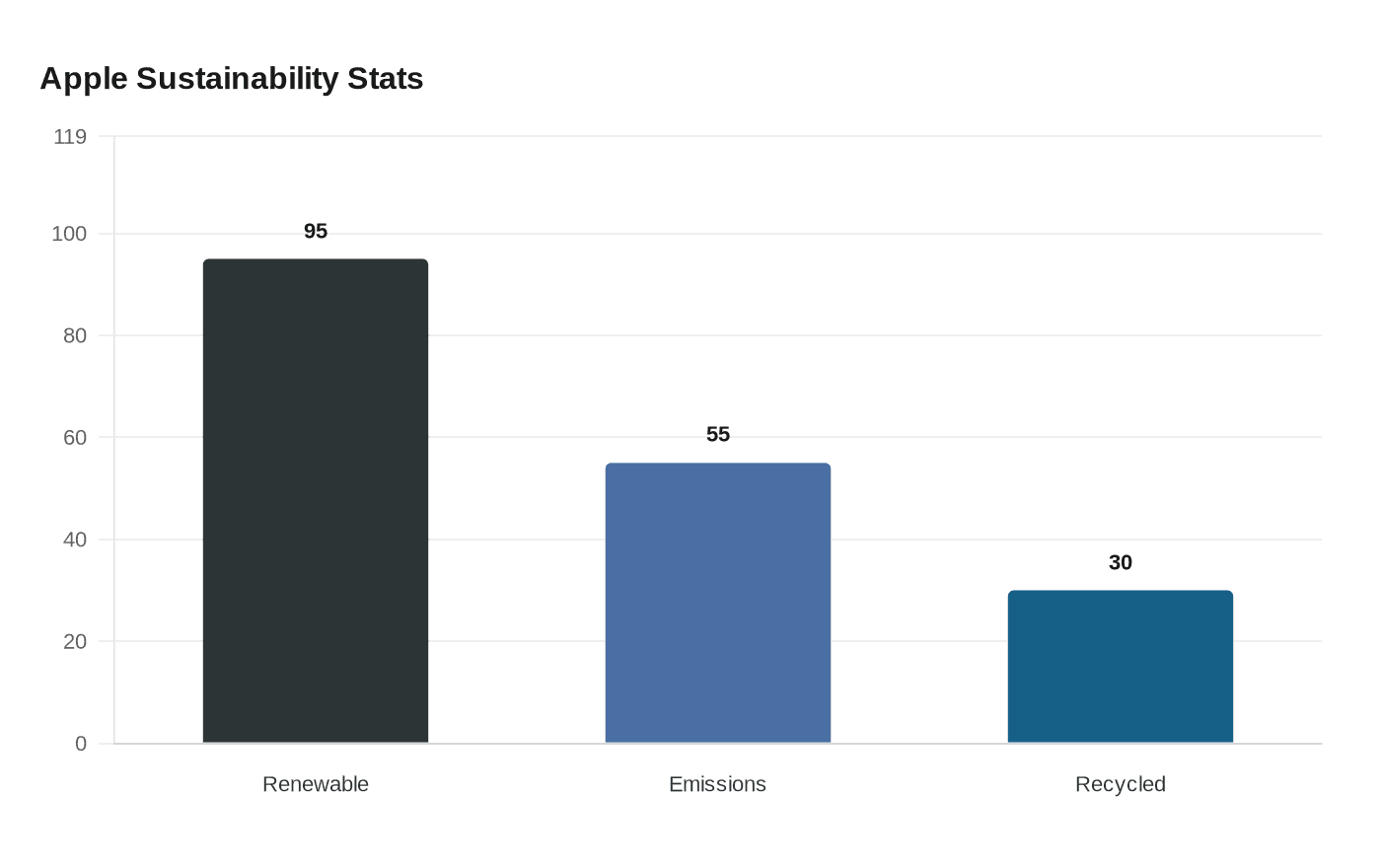
Cook’s legacy is equally visible in how Apple runs. The company says more than 320 suppliers, representing 95 percent of its direct manufacturing spend, have committed to renewable electricity for Apple production. Apple and its suppliers now support more than 18 gigawatts of clean energy, while Apple says it has cut greenhouse-gas emissions by more than 55 percent since 2015 and is targeting carbon neutrality across its entire value chain by 2030. Apple also said a record 30 percent of the material across its products shipped in 2025 came from recycled content.
Ternus, Apple’s senior vice president of Hardware Engineering, inherits that machine. He has led hardware engineering across iPhone, iPad, Mac, Apple Watch, AirPods, Apple Vision Pro and more, and has been at Apple since joining the Product Design team in 2001. His challenge is different from Cook’s: keep Apple growing when the AI race is accelerating, China remains a supply-chain and geopolitical risk, antitrust pressure is intensifying around the App Store, and the company still needs a new source of growth beyond the iPhone.
This article was produced by Prism’s automated news system from verified source data, official records, and press releases, then run through automated quality and moderation checks before publishing. The system is built and supervised by the people who set the standards it runs under. Read our full AI policy.
Did this article answer your question?