Erdoğan unveils sweeping tax breaks to make Türkiye a global business hub
Erdoğan offered a 100% tax break on transit-trade profits as Türkiye keeps rates at 37%, betting incentives can outweigh inflation fears.
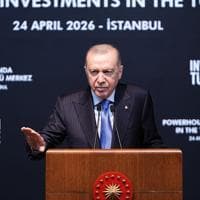
Recep Tayyip Erdoğan tried to recast Türkiye as a magnet for mobile capital on Friday, unveiling a broad package of tax incentives and investment reforms that would give transit trade a 100% corporate-tax exemption and cut rates for exporters. The pitch was blunt: even as war and market volatility rattle the global economy, Türkiye wants to be seen as a place where regional headquarters, finance operations and wealthy newcomers can park their money.
Speaking at the “Powerhouse for Investments in the Türkiye Century” program at the Dolmabahçe Working Office in Istanbul, Erdoğan said the region and the wider economy were in a period of intense instability. “The war has shaken energy markets and many sectors are feeling its impact,” he said, while also casting Türkiye as a “key country” in an emerging multipolar order. The Investment and Finance Office said senior public officials and executives from leading international companies attended the event, and that a comprehensive legislative package would soon be submitted to Parliament.
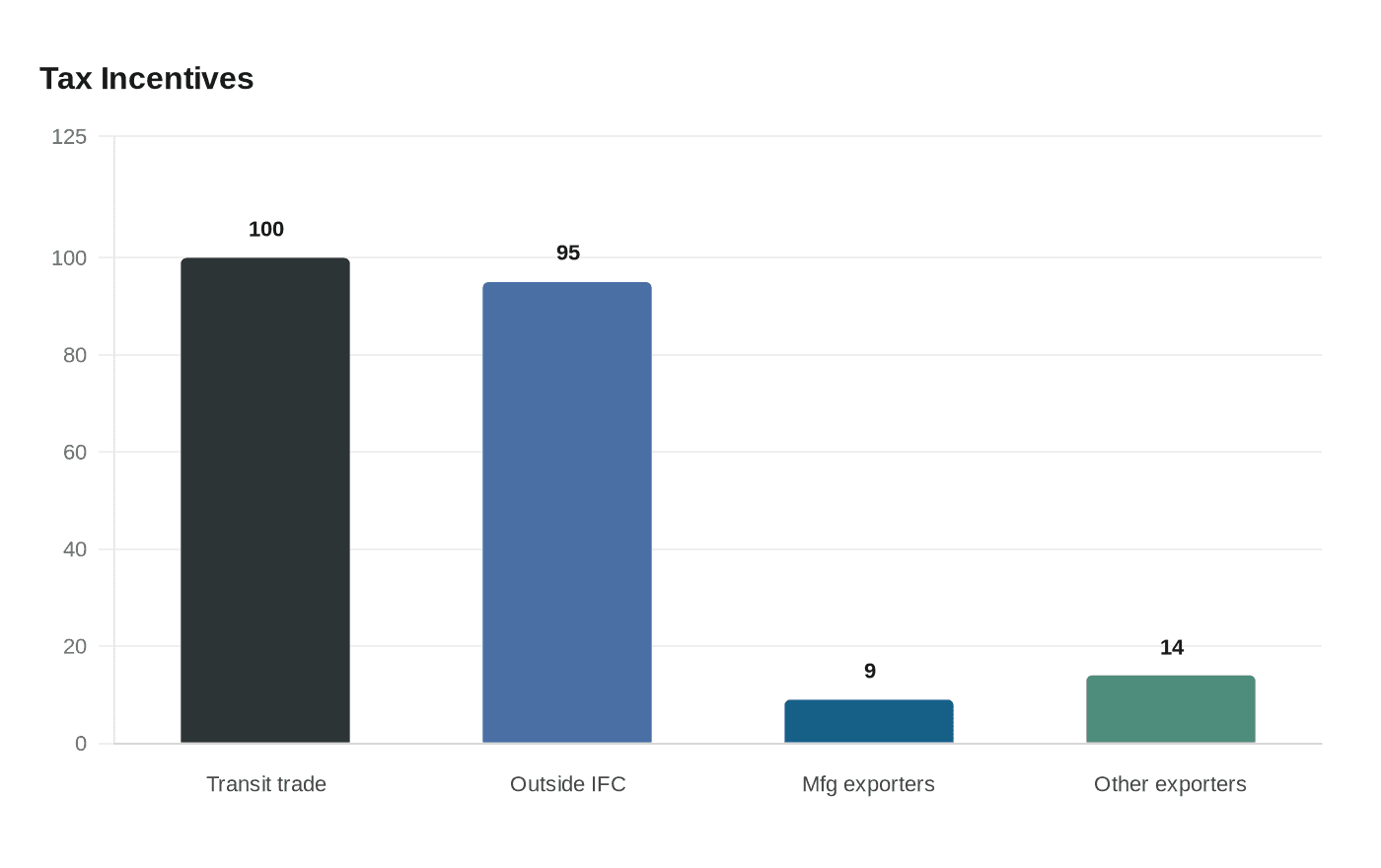
The incentives are substantial. Transit-trade profits from intermediary activities and overseas trade transactions will receive a 100% tax exemption, up from 50%, and 95% of transit-trade profits conducted outside the Istanbul Financial Center will also be exempt from corporate tax. Manufacturing exporters would see their corporate tax reduced to 9%, while other exporters would be taxed at 14%. Erdoğan also said people who had not been tax residents in Türkiye for the previous three years could get a 20-year exemption on foreign income if they relocate there.

The package goes beyond headline tax cuts. The government wants to pull foreign-held assets back into the domestic economy, ease rules for convertible debt instruments and make employee stock options more attractive. It is also trying to lure global companies to move regional management headquarters to Türkiye, offering tax advantages on income earned by overseeing overseas operations from inside the country.
The timing matters. The Central Bank of the Republic of Türkiye kept its benchmark policy rate at 37% on April 22 and warned that fallout from the Iran war could still shift the inflation outlook. That makes the tax plan less a standalone investment announcement than a credibility test: can lower taxes offset investors’ deeper worries about inflation, the lira and policy unpredictability?
Officials are leaning on a longer-term growth story. The Investment Office says Türkiye’s average annual GDP growth rate was 5.3% from 2003 to 2024, and that it has already published a Foreign Direct Investment Strategy for 2024-2028. Official data cited by the office showed FDI inflows rising 27.1% in the first half of 2025 to $6.3 billion, with annualized inflows reaching $13.1 billion in June, the strongest level since May 2023. Finance Minister Mehmet Şimşek told investors in London earlier this month that Türkiye was a “center of attraction for global talent and capital.” The new package is meant to prove it.
This article was produced by Prism’s automated news system from verified source data, official records, and press releases, then run through automated quality and moderation checks before publishing. The system is built and supervised by the people who set the standards it runs under. Read our full AI policy.
Did this article answer your question?

