Stock futures slip after record highs as oil jumps on Iran tensions
Stock futures faded after record closes as oil jumped above $96, reviving inflation worries and cooling rate-cut bets.

Wall Street’s record run met a new test as oil climbed and futures slipped, with investors weighing how renewed Iran tensions could ripple from energy prices to inflation expectations and the outlook for interest rates.
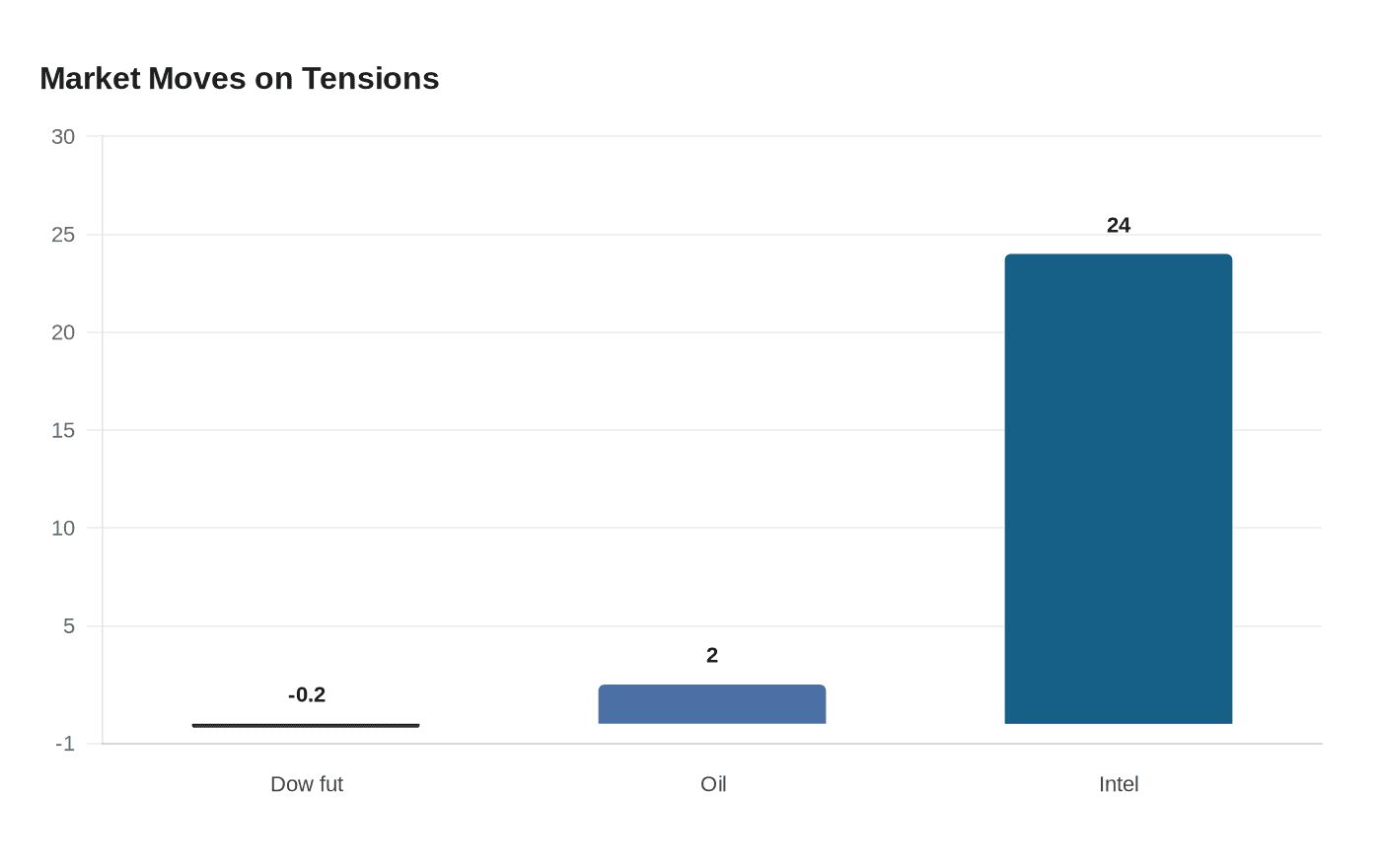
Dow futures were down about 100 points, or 0.2%, while S&P 500 futures and Nasdaq-100 futures also fell after the S&P 500 and Nasdaq closed at record highs on April 24. The broad market index finished at 7,165.08, while the Nasdaq ended at 24,836.60, extending a rally that had been powered by big technology gains and a sharp move in Intel.
Intel shares jumped 24% Friday, their best day since October 1987, after an unexpectedly strong revenue forecast helped push U.S. chip stocks to record highs. That strength supported the broader market even as traders kept one eye on geopolitical risk and the other on a crowded calendar of earnings and economic data.
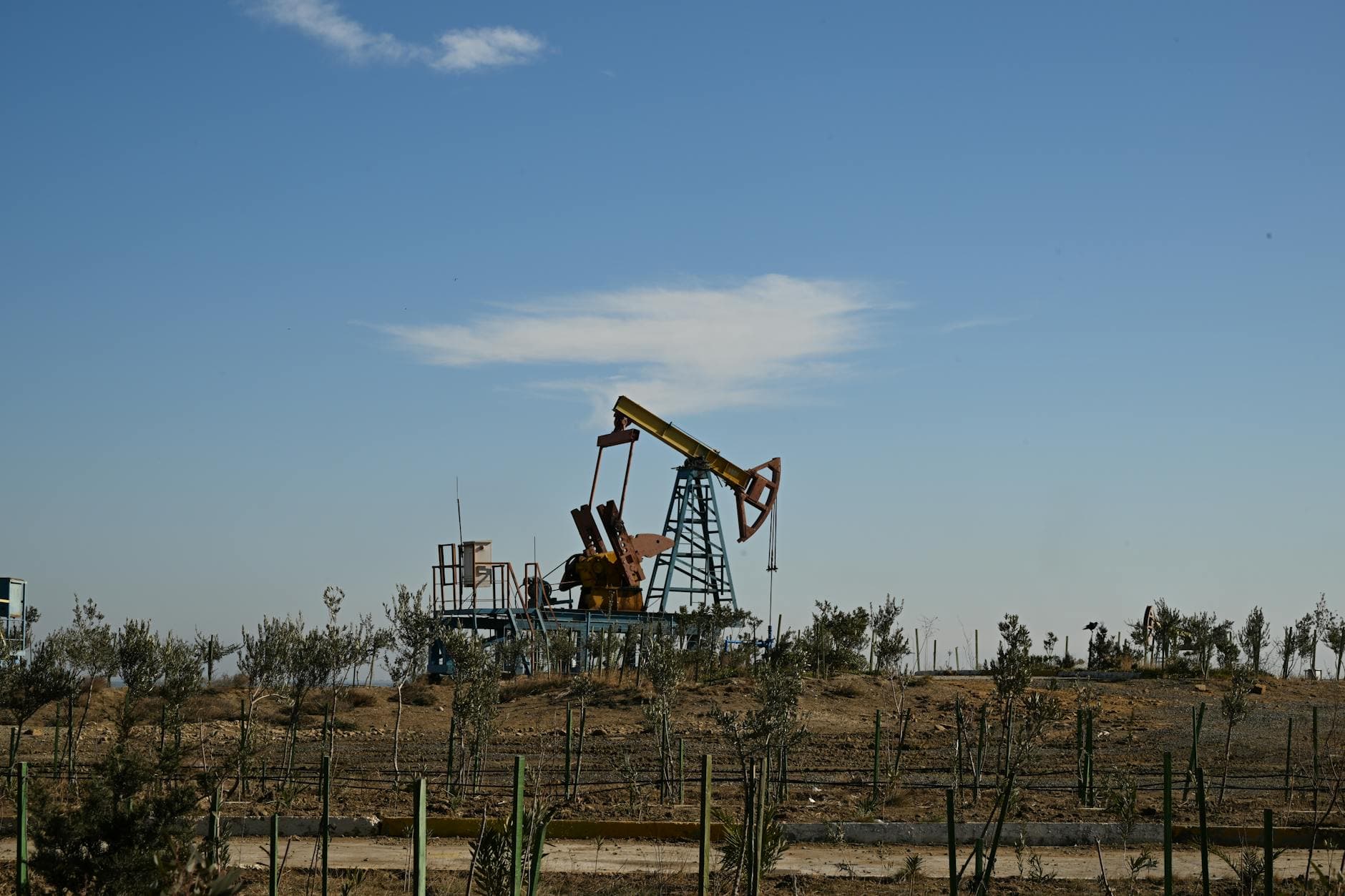
Oil was the sharper counterweight. West Texas Intermediate crude futures rose 2% to above $96 a barrel after plans for new U.S.-Iran talks collapsed Saturday, a move that underscored how quickly geopolitical headlines can spill into market pricing. The latest rise came as reporting tied the oil move to stalled peace efforts and tension around the Strait of Hormuz, the narrow waterway that handles a critical share of global crude shipments.
For stocks, that matters because higher energy costs can feed inflation expectations just as investors have been looking for clearer evidence that price pressures are easing. If oil stays elevated, traders are more likely to question how soon the Federal Reserve can turn more dovish, a shift that tends to hit rate-sensitive corners of the market first.
Thursday had already offered a preview of that pressure. The market’s pullback was led by software stocks and higher oil prices, a sign that investors are becoming less willing to pay up for growth when energy risk rises and borrowing costs may stay higher for longer.
For now, the tension is between two competing narratives. One says the tech and semiconductor rally still has room to run, supported by Intel’s surge and optimism around the artificial intelligence buildout. The other says crude above $96, a faltering Iran track and a chokepoint like the Strait of Hormuz could keep inflation anxiety alive and shift leadership toward energy while leaving software and other rate-sensitive sectors more exposed.
This article was produced by Prism’s automated news system from verified source data, official records, and press releases, then run through automated quality and moderation checks before publishing. The system is built and supervised by the people who set the standards it runs under. Read our full AI policy.
Did this article answer your question?

