China expands economic leverage ahead of Trump-Xi summit, testing trade truce
China used the trade truce to build new pressure points, from rare earths to export controls, giving Beijing more leverage before a Trump-Xi summit.
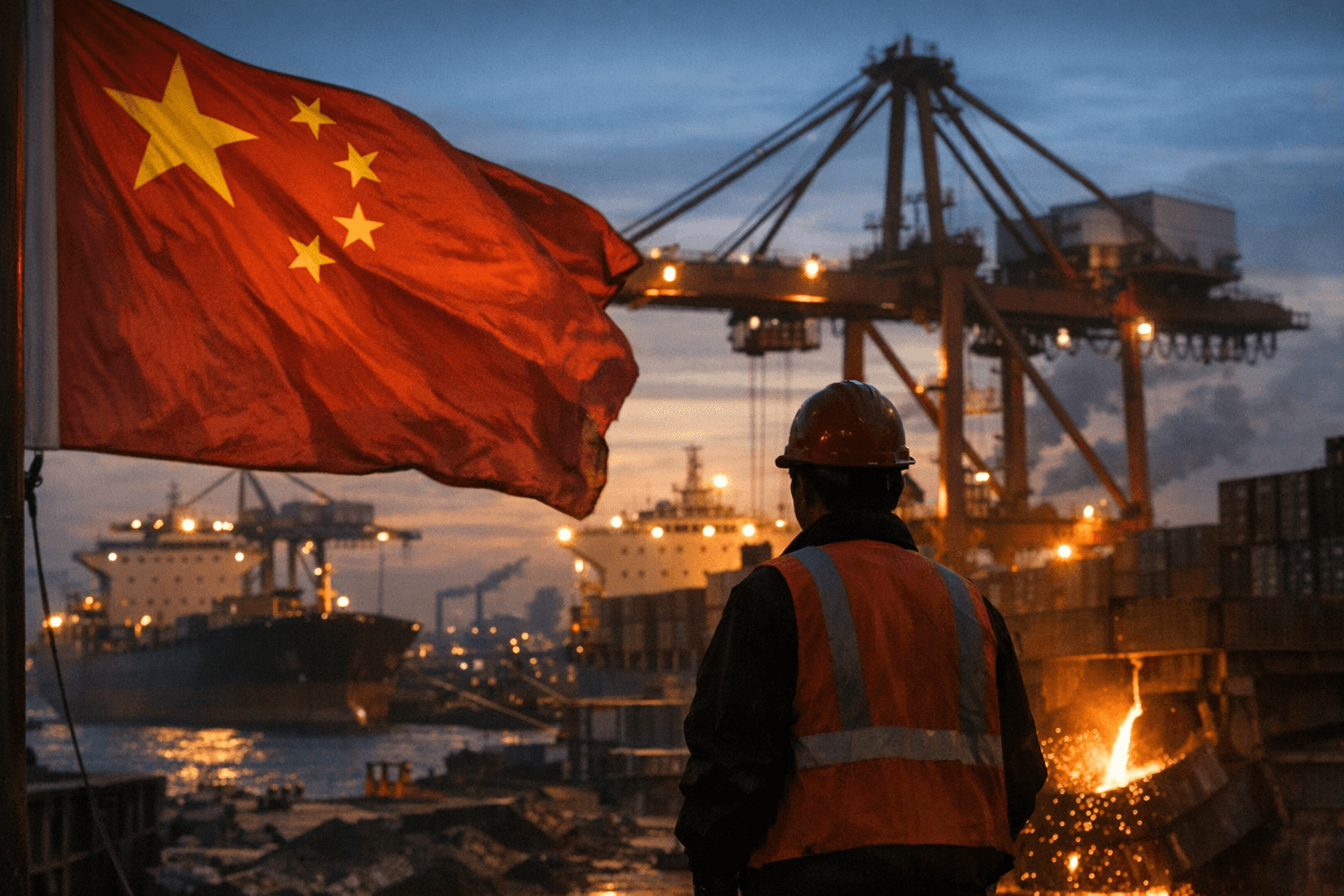
China spent the trade truce not in retreat, but in preparation. While the October agreement in Busan signaled a pause in the U.S.-China trade war, Beijing used the months that followed to assemble a wider set of legal, industrial and technological tools that could be turned against Washington if tensions returned.
The most important change was not a single tariff or one-off retaliation. It was the broadening of China’s economic arsenal. Beijing moved to develop countermeasures against foreign states using unlawful extraterritorial jurisdiction, with new State Council regulations authorizing retaliation in response to outside legal pressure. It also adopted rules on industrial and supply-chain security that let authorities act against foreign countries, companies or international organizations they consider discriminatory. Together, those measures give Chinese officials a legal basis to respond across multiple sectors, not just at the border.
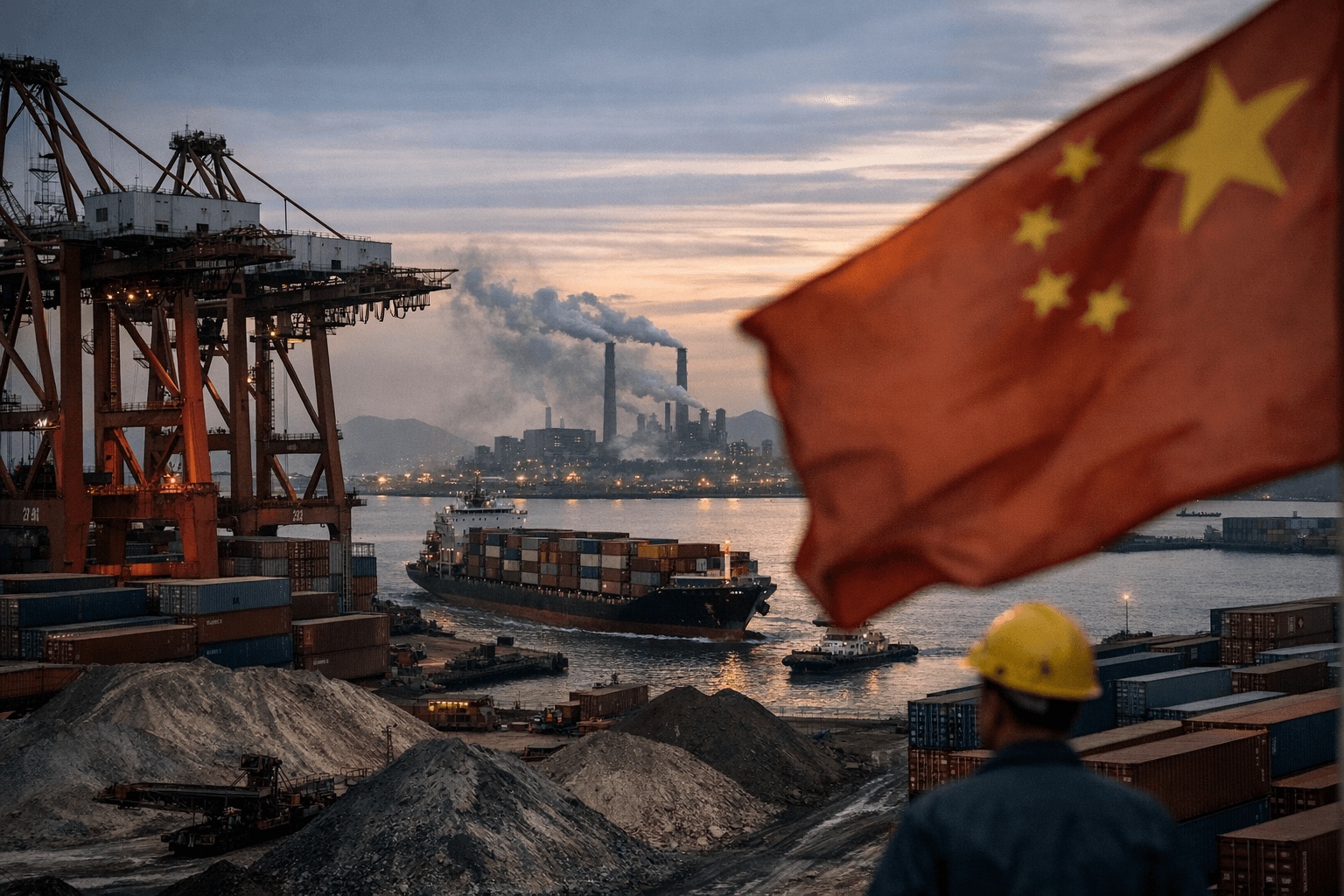
China also pushed deeper into supply-chain leverage. Talks with solar-panel equipment providers explored limiting exports of advanced technology to the United States, a sign that Beijing is willing to use its industrial strengths as bargaining chips. Earlier steps showed the same pattern: export restrictions on dual-use items to Japanese entities, limits on cybersecurity software made by U.S. and Israeli firms, and curbs on heavy rare earths and powerful magnets. Each move adds another layer of pressure on industries that depend on Chinese materials, software or manufacturing capacity.
The timing matters because the truce is fragile and set to expire in November 2026. That gives every new rule, licensing decision or export-control step more weight in the months before the next round of bargaining. China is also trying to avoid a broader open confrontation over the Iran war and has signaled that it wants a constructive meeting between Xi Jinping and Donald Trump next month. But the underlying message is clear: Beijing is not simply preserving stability. It is institutionalizing coercion, turning it into a more systematic toolkit.
For U.S. companies, that raises the stakes well beyond tariffs. Solar developers, chipmakers, software firms and manufacturers that rely on rare earths or Chinese inputs now face a policy environment in which legal, industrial and technology controls can be used together. For policymakers in Washington, the challenge is no longer only market access or trade deficits. It is how to negotiate with a rival that spent the truce period building more ways to apply pressure if talks break down again.
This article was produced by Prism’s automated news system from verified source data, official records, and press releases, then run through automated quality and moderation checks before publishing. The system is built and supervised by the people who set the standards it runs under. Read our full AI policy.
Did this article answer your question?

