Oil prices jump as US-Iran peace talks stall, Strait tensions rise
Oil climbed above $107 as Trump scrapped a trip for Iran talks, raising the odds that tighter Strait of Hormuz flows could hit gasoline prices fast.
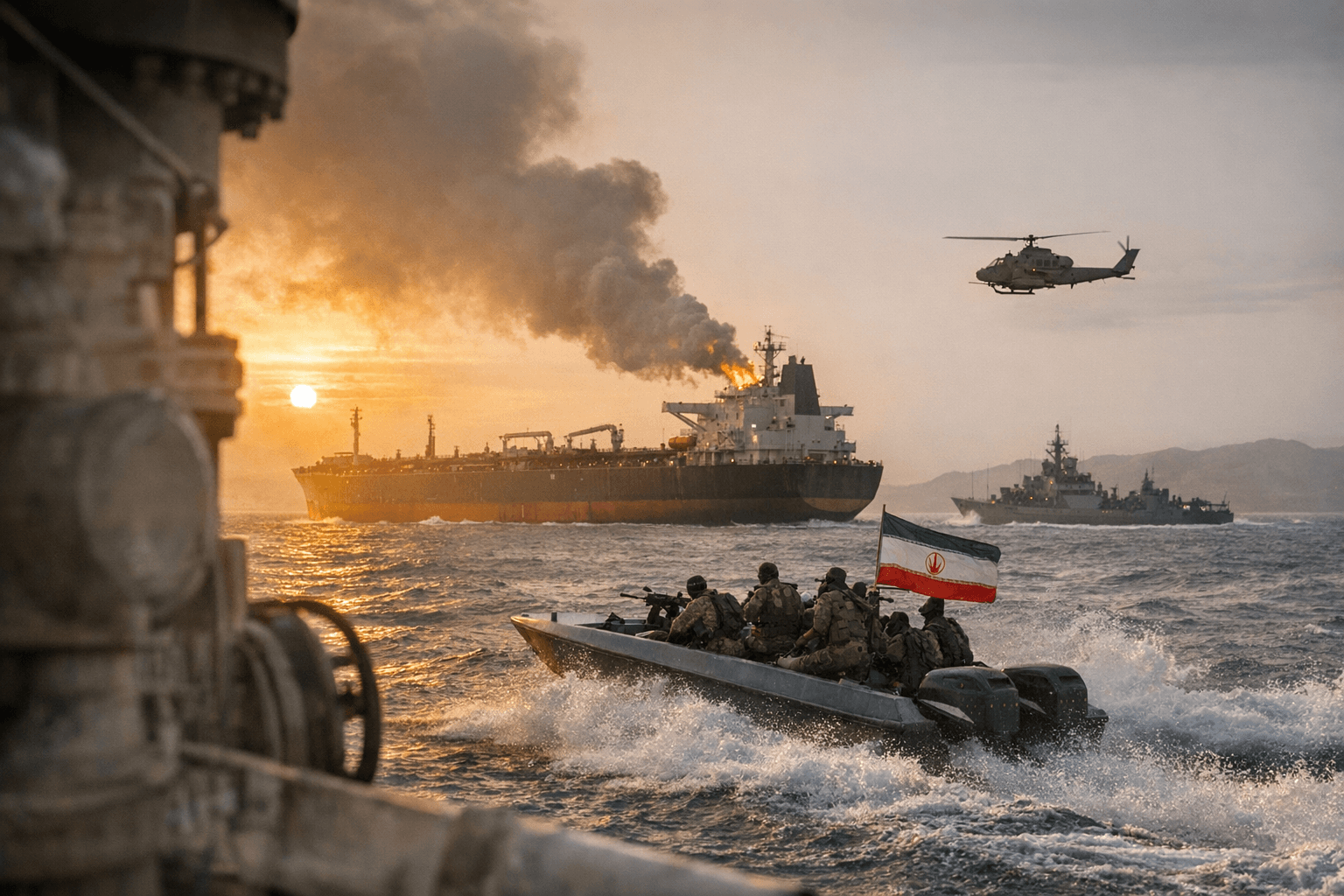
Oil prices jumped as stalled U.S.-Iran talks collided with fresh pressure in the Strait of Hormuz, putting the world’s most important crude shipping lane back at the center of energy and inflation worries. Brent crude rose 2.05% to $107.49 a barrel, while U.S. West Texas Intermediate climbed to $96.17, pushing Brent to its highest level since April 7 and renewing the question for drivers and investors alike: how much disruption can the market absorb before the cost shows up at the pump?
The latest move came after President Donald Trump canceled plans to send U.S. envoy Steve Witkoff and Jared Kushner to Islamabad for negotiations with Iran. Trump said there was “too much time wasted on traveling” and pointed to “tremendous infighting and confusion” in Iran’s leadership, a sign that the diplomatic track had lost momentum just as traders were already bracing for supply risk.
At the same time, tensions in the Strait of Hormuz sharpened. Iran reimposed restrictions after the United States said it would not end its blockade of Iran-linked shipping. The U.S. military seized an Iran-associated oil tanker days before the latest price move, and Iranian forces took control of two vessels in the Strait, escalating the standoff further. Shipments through the chokepoint remained limited, a key reason the market treated the headlines as more than political theater.
The Strait of Hormuz matters because it is the route for a large share of global oil flows. Even partial disruption can tighten supply quickly, and crude benchmarks tend to feed into gasoline, diesel and broader transportation costs with little delay. That is why an apparently regional confrontation can translate into higher fuel bills for American households, firmer input costs for airlines and shippers, and a fresh headache for inflation watchers.
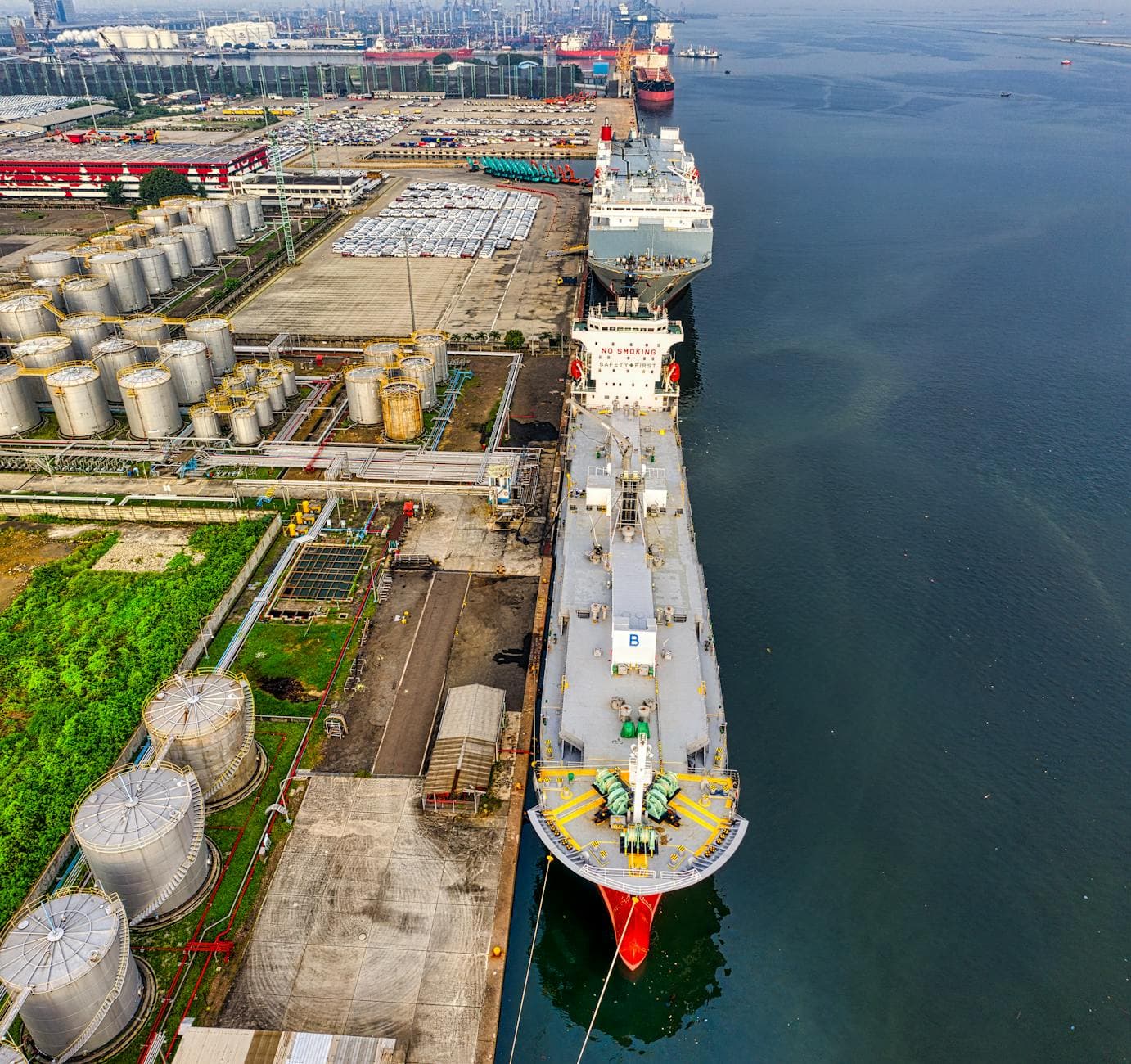
The weekly move showed how sensitive the market had become. Brent and WTI rose nearly 17% and 13%, respectively, in the previous week, their biggest weekly gains since the war began. That kind of move is unusually large for a major oil benchmark and suggests traders are pricing not just present shortages, but the risk that a longer shutdown or wider confrontation could threaten flows through the chokepoint.
For now, the key issue is not whether oil can spike on headlines. It already has. The real test is whether the standoff remains limited enough to fade or whether the Strait of Hormuz turns a diplomatic failure into a sustained shock for global energy markets and American consumers.
This article was produced by Prism’s automated news system from verified source data, official records, and press releases, then run through automated quality and moderation checks before publishing. The system is built and supervised by the people who set the standards it runs under. Read our full AI policy.
Did this article answer your question?

