Apple posts record March quarter as supply chain headwinds build
Apple’s March quarter set records, but Tim Cook warned of higher memory costs and iPhone and Mac shortages just as John Ternus prepares to take over.
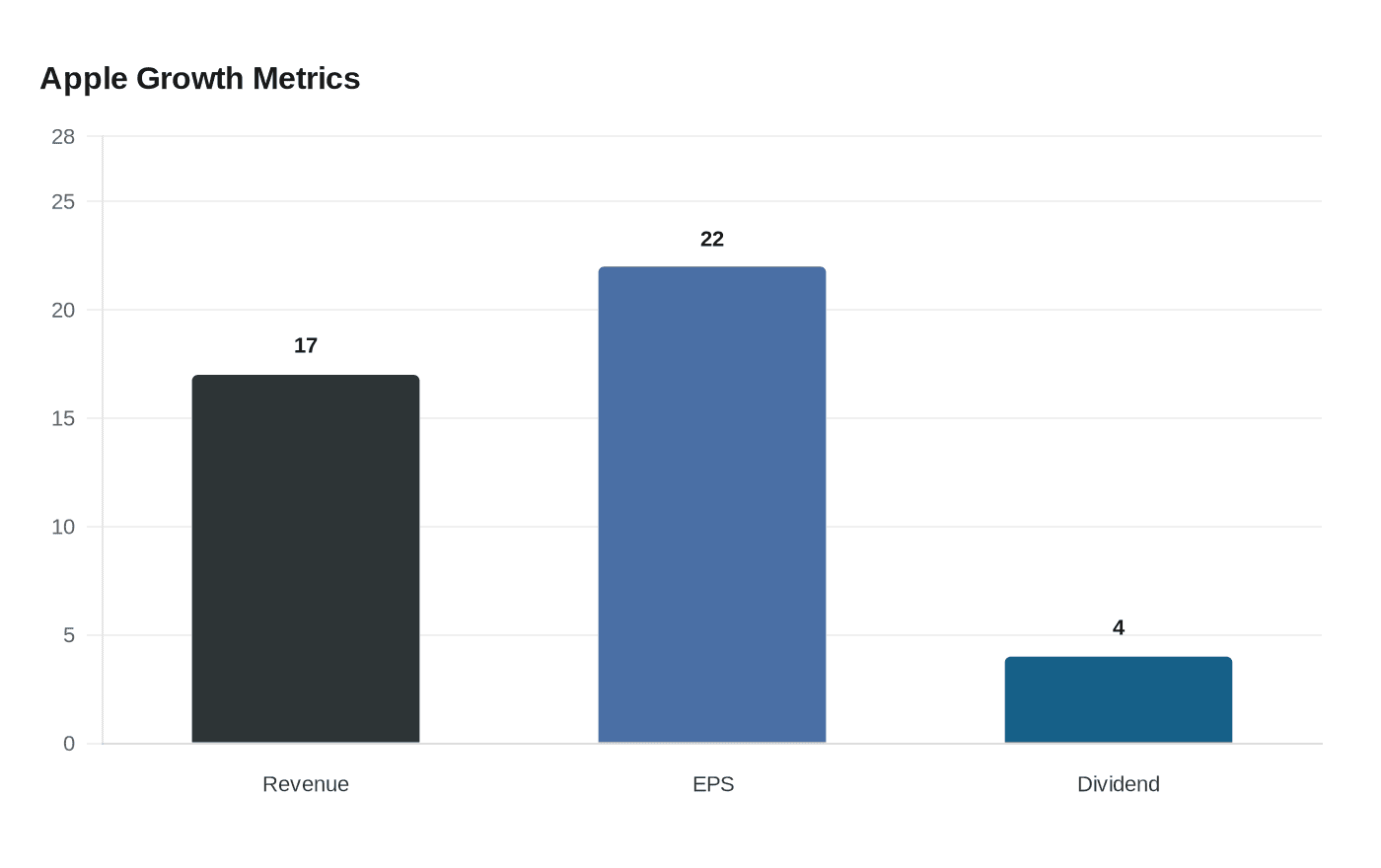
Apple’s strongest March quarter on record arrived with a warning that could reshape the next few quarters: the company is selling at full speed just as memory costs rise and supply tightens around the chips that power its newest devices.
Apple said revenue for the fiscal second quarter reached $111.2 billion, up 17% from a year earlier, while diluted earnings per share rose 22% to $2.01. The company called it its best March quarter ever. iPhone revenue hit a March-quarter record on what Tim Cook described as “extraordinary demand” for the iPhone 17 lineup, and Services also reached an all-time high.

The results gave Apple room to keep rewarding shareholders. The board approved an additional $100 billion stock repurchase program and lifted the quarterly dividend 4% to 27 cents a share, payable May 14 to shareholders of record as of May 11. Apple also said revenue in the June quarter should grow 14% to 17% from a year earlier, signaling that demand remains strong even as the company braces for cost pressure.
That optimism sits beside a more fragile backdrop. Cook said Apple expects “significantly higher memory costs” in the June quarter and beyond, and described the company as being in “supply chase mode” because of tight availability of the advanced nodes used for Apple’s system-on-chip processors. The shortage is already hitting iPhones and Macs, and Bloomberg reported that Mac shortages could last for several months. Cook also said the iPhone 17 was the “most popular lineup in our history,” but iPhone sales still came in slightly below analyst expectations in the quarter.
The supply problem is broader than Apple. Memory-chip prices have been climbing as artificial intelligence data centers absorb more supply across the industry, adding pressure that has already shown up in the spending plans of Meta and Microsoft. In January, those pricing trends were already feeding through to profitability concerns, and Apple’s latest warning shows the squeeze is no longer theoretical. It is reaching the products customers buy first, especially iPhones and Macs, where tighter supply can quickly limit availability and complicate the company’s launch cycle.
The earnings call also carried unusual weight because it was Apple’s first since the company announced on April 20 that Cook will step down as chief executive on September 1 and become executive chairman. John Ternus, Apple’s senior vice president of hardware engineering, will succeed him. Cook leaves the top job with sales and margins still strong, but with a cost and supply challenge that may test the next leadership team before the transition is complete.
This article was produced by Prism’s automated news system from verified source data, official records, and press releases, then run through automated quality and moderation checks before publishing. The system is built and supervised by the people who set the standards it runs under. Read our full AI policy.
Did this article answer your question?