Twilio raises outlook after strong quarter, AI demand lifts results
Twilio’s AI push helped drive 20% revenue growth and an 18% stock jump, but the real test is whether customers keep expanding spending.
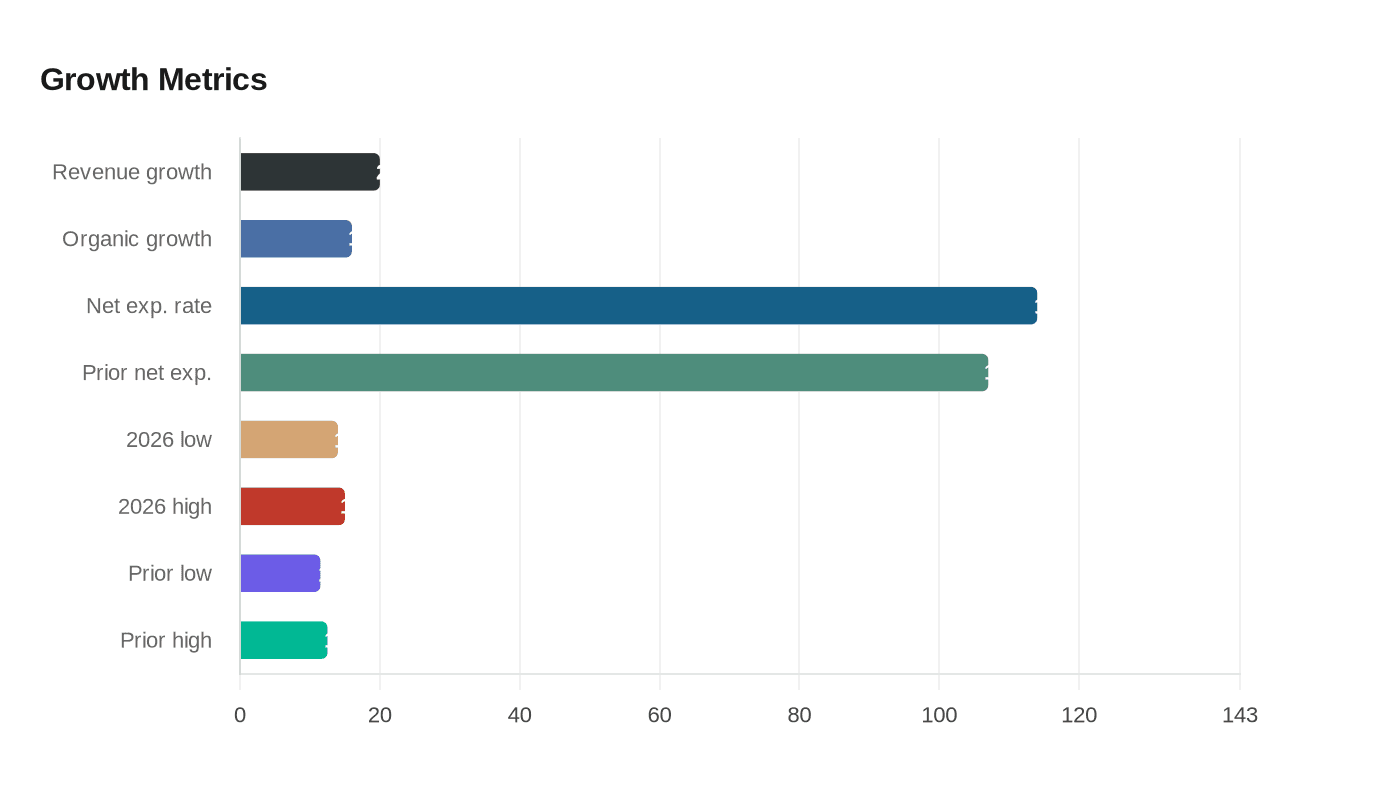
Twilio’s latest quarter offered a clearer read on enterprise AI demand than another chipmaker rally. The San Francisco communications software company lifted its full-year outlook after reporting revenue of $1.41 billion, up 20% from a year earlier, and said customers are spending more on AI-driven messaging, voice and customer engagement tools.
The numbers were strong across the board. Adjusted earnings per share reached $1.50, above Wall Street’s estimate of $1.27, while net income rose to $90 million, or 57 cents a share, from $20 million, or 12 cents, a year earlier. Twilio also said first-quarter organic revenue grew 16%, free cash flow reached $132.3 million and its dollar-based net expansion rate improved to 114% from 107% a year earlier, a sign that existing customers are spending more rather than simply churning through one-time deals.
That matters for the enterprise AI spending test. Twilio sells the plumbing businesses use to contact customers, and the company has been repositioning that base around AI-powered engagement and automation. In practice, that means the AI trade is not limited to infrastructure vendors supplying chips and servers. It is also flowing into software that companies use to automate service requests, route messages and manage customer interactions. Twilio’s results suggest some customers are moving beyond experimentation and paying for tools that sit inside day-to-day operations.
Management said the first quarter was its highest revenue and gross profit growth quarter in more than three years. Operating income jumped as well, with GAAP income from operations at $107.7 million and non-GAAP income from operations at $278.9 million. Twilio ended the quarter with 5,558 employees as of March 31, underscoring the scale of the business as it tries to turn years of growth-first spending into more durable profitability.
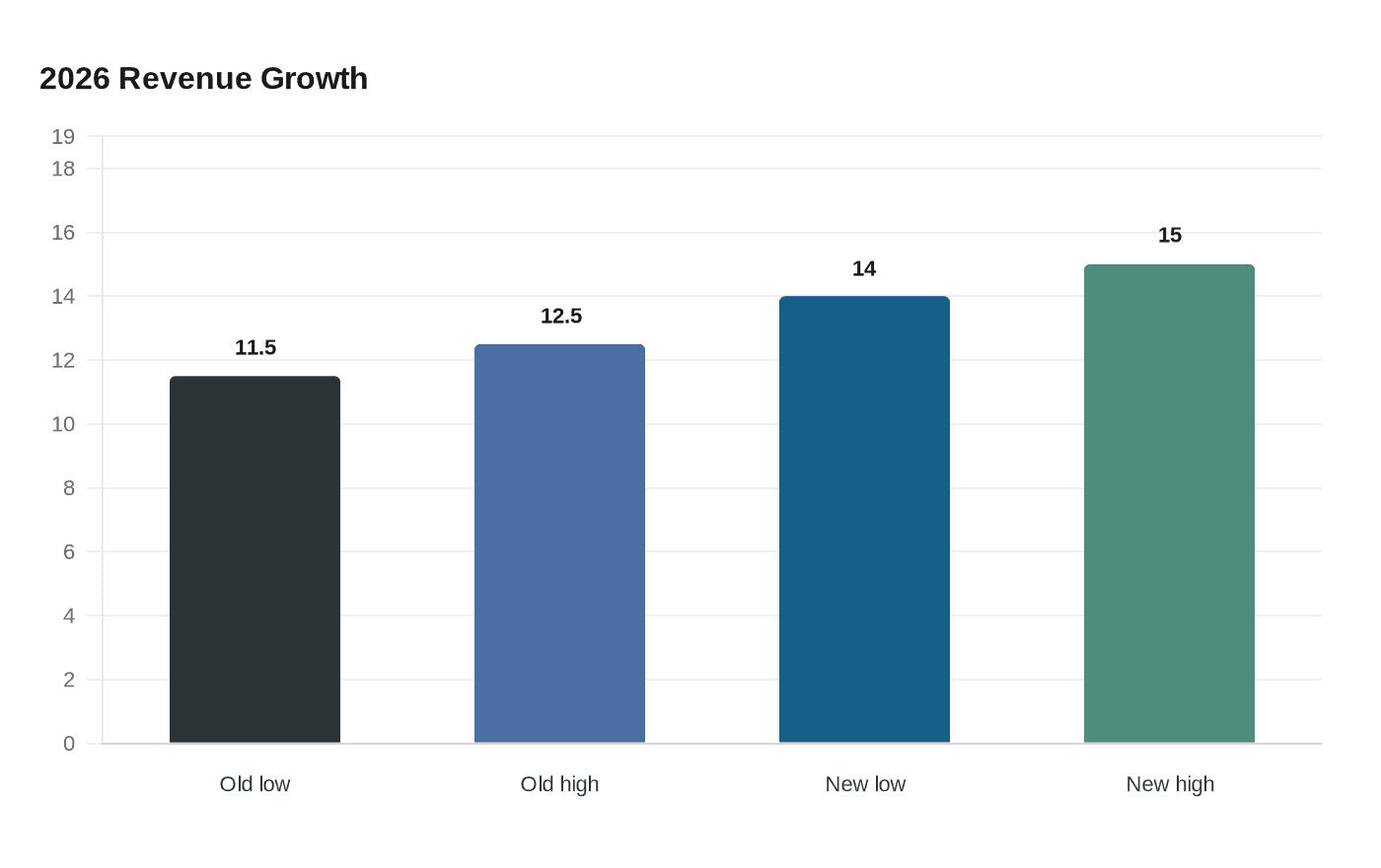
The company’s outlook signaled confidence that the demand is not a one-quarter burst. Twilio raised its 2026 revenue growth forecast to 14% to 15%, from 11.5% to 12.5%, and increased its target for operating income and free cash flow to between $1.08 billion and $1.10 billion. It also guided second-quarter revenue to $1.42 billion to $1.43 billion, above analyst estimates, suggesting momentum should carry into the rest of the year.
Twilio had originally told investors in February to expect first-quarter revenue of $1.335 billion to $1.345 billion, so the new results marked a meaningful beat. The stock surged 18% in extended trading after the announcement. CEO Khozema Shipchandler called Twilio a “foundational infrastructure layer in the era of AI,” and the market is now weighing whether that claim reflects lasting customer adoption or just another wave of enthusiasm. For now, the quarter points to something more durable: businesses are beginning to pay for AI where it can touch revenue, service and retention.
This article was produced by Prism’s automated news system from verified source data, official records, and press releases, then run through automated quality and moderation checks before publishing. The system is built and supervised by the people who set the standards it runs under. Read our full AI policy.
Did this article answer your question?
%3Amax_bytes(150000)%3Astrip_icc()%2FCertificate-of-deposit-2301f2164ceb4e91b100cb92aa6f868a.jpg&w=1920&q=75)