Apple prepares to reintroduce Siri as AI race heats up
Apple is betting Siri can arrive late and still win on trust, privacy, and usefulness after two years of delays.
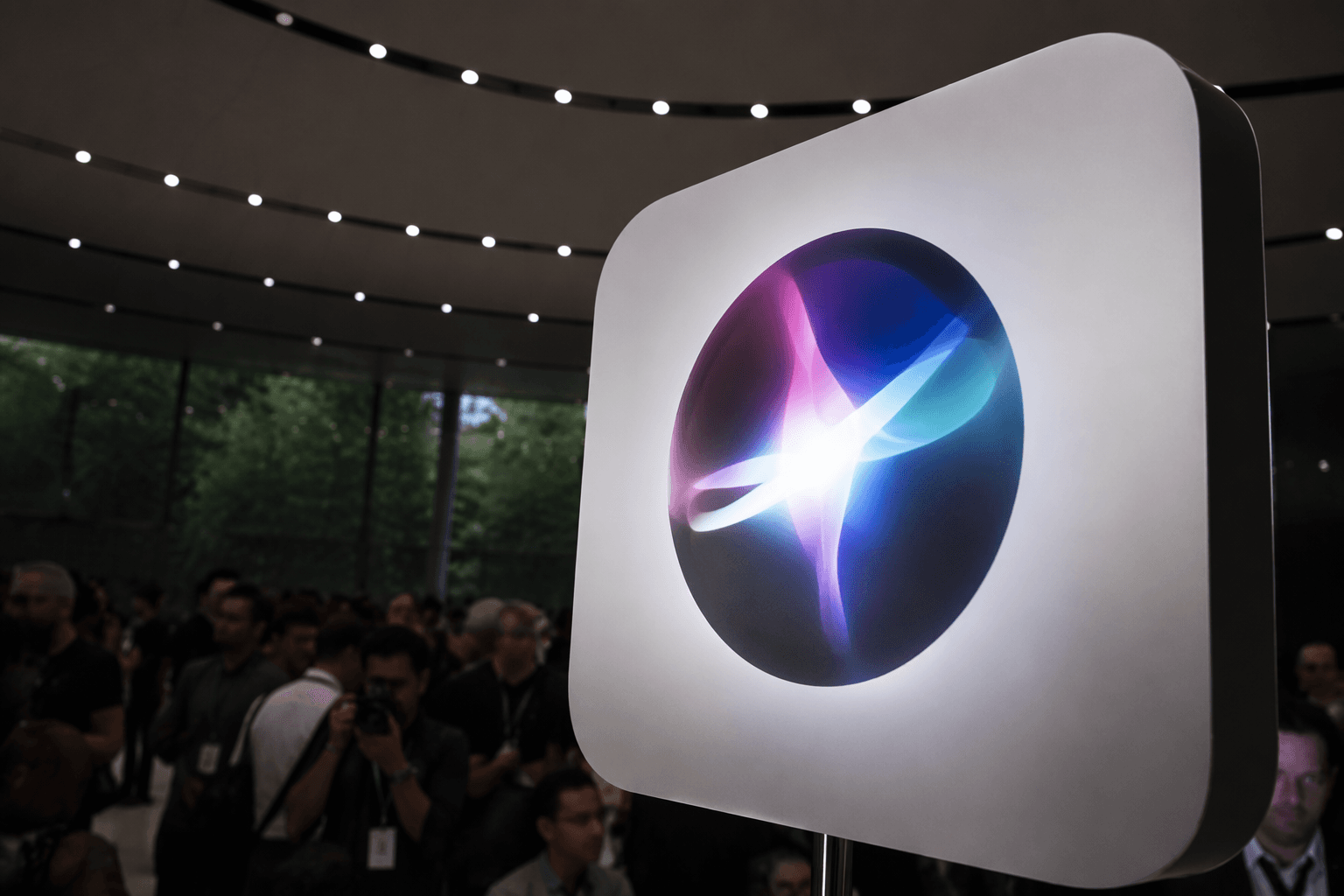
The real question for Apple is not whether Siri can look smarter on stage, but whether arriving late lets it avoid the trust, accuracy and privacy failures that have dogged faster AI rivals. Apple is trying to turn “safer but later” into a competitive advantage, with a Siri that can understand what is on a screen, draw on personal context and act across apps on iPhone, iPad and Mac.
Apple first laid out that vision at WWDC24 on June 10, 2024, when it introduced Apple Intelligence as a system built around generative models, personal context, on-device processing and Private Cloud Compute. The company said Siri would gain onscreen awareness and the ability to take hundreds of new actions in and across Apple and third-party apps. Apple then began rolling out the first Apple Intelligence features in October 2024, but the more ambitious Siri upgrade did not follow on schedule.
By March 7, 2025, Apple confirmed the delay. Jacqueline Roy, an Apple spokeswoman, said, “It’s going to take us longer than we thought to deliver on these features...” That reset reinforced a growing view that Siri remains the missing piece of Apple’s AI strategy, even as the company has continued to frame Apple Intelligence as a privacy-first system designed to keep as much processing on device as possible.
Apple moved ahead with other features instead. At WWDC25 on June 9, 2025, the company announced Live Translation, Visual Intelligence upgrades and developer access to Apple’s on-device foundation model. Those additions showed Apple still had momentum in AI, but they also highlighted how much of the company’s original Siri pitch was still unfinished.
That gap matters because Siri is not just another feature. It is the front door to Apple’s ecosystem, the place where voice, apps and personal data meet. If Apple can make Siri genuinely useful across devices without compromising privacy, it could strengthen one of the company’s most valuable advantages: the ability to integrate hardware, software and services more tightly than rivals.

If the upgrade slips again, Apple risks cementing a different narrative, one in which the company that defined mobile assistants spends years explaining why its own assistant is still catching up.
This article was produced by Prism’s automated news system from verified source data, official records, and press releases, then run through automated quality and moderation checks before publishing. The system is built and supervised by the people who set the standards it runs under. Read our full AI policy.
Did this article answer your question?