Apple readies systemwide dictation to challenge Wispr Flow
Apple is moving dictation from a niche accessibility tool toward a default way to write across its devices, putting pressure on Wispr Flow and other voice-first apps.
Apple is preparing to turn voice input into a core part of everyday computing, and that could put it squarely in the path of Wispr Flow and other startups built around faster cross-app dictation. The company has spent the past two years folding more AI and accessibility tools into Apple Intelligence, and a systemwide dictation push would extend that strategy from assistive technology into the main workflow for writing, messaging, and editing.
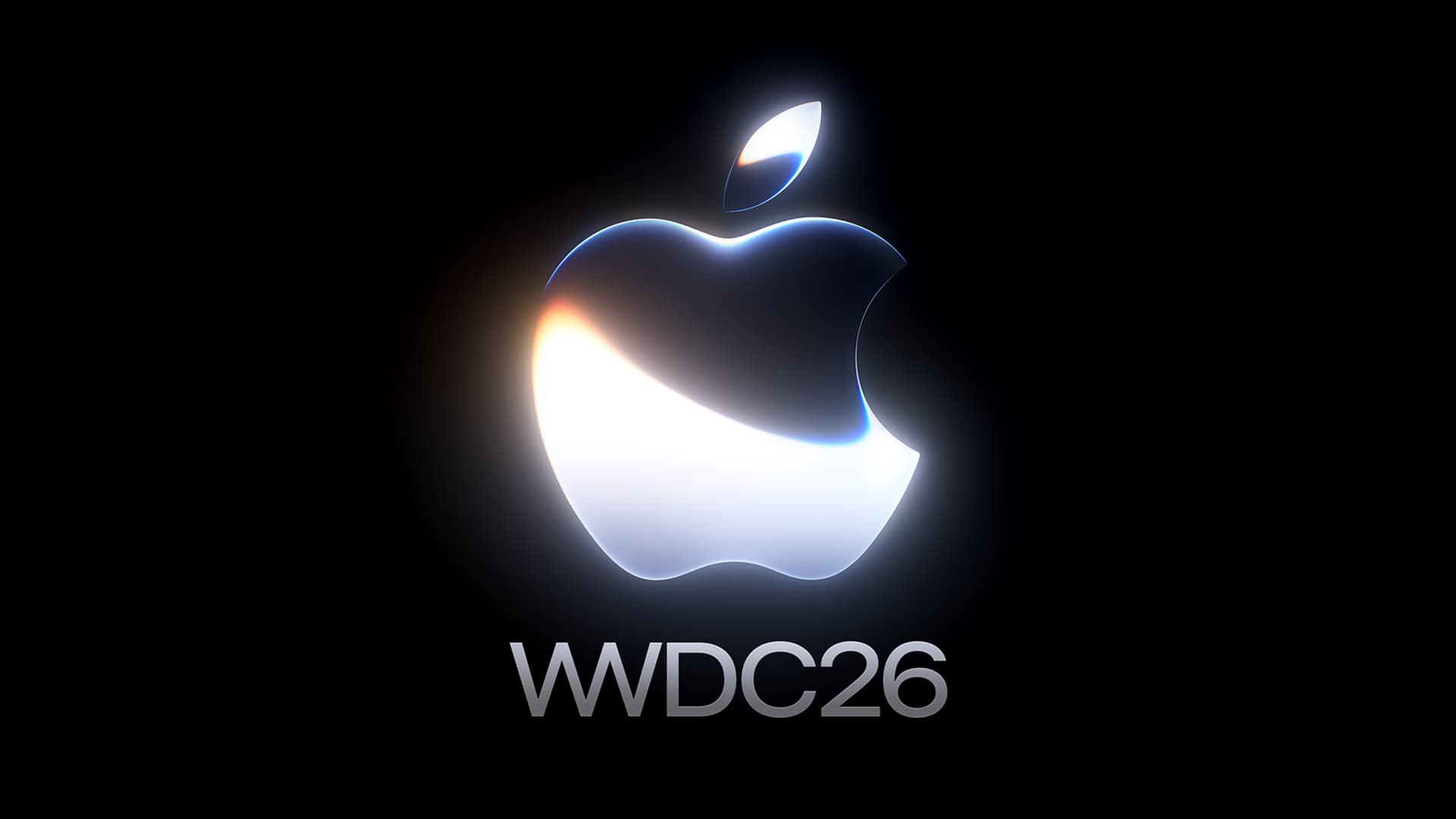
Apple opened WWDC26 in Cupertino, California, on June 8, with the conference running through June 12 and the keynote set for 10 a.m. PT. That timing matters because Apple often uses the event to show where its software platform is headed. Apple already describes Apple Intelligence as deeply integrated across iPhone, iPad, Mac, and Apple Vision Pro, and it said on May 19 that new accessibility updates later in 2026 would add detailed descriptions and natural-language navigation to VoiceOver, Magnifier, Voice Control, and Accessibility Reader.

The company also has a built-in foundation to build from. Apple Support says Dictation on Mac can be turned on in Keyboard settings, while Voice Control is a separate feature that can dictate text and control the device by voice. Apple has long offered dictation on iPhone with Magic Keyboard and on Mac through system settings, which means a systemwide version would be less a start from scratch than an expansion of tools many users already know.
That is where the competitive threat sharpens. Wispr Flow has marketed itself as a seamless voice-dictation app that works across apps, including Slack, Messages, Email, WhatsApp, ChatGPT, and Docs. The company says the product is available on Mac, Windows, iPhone, and Android, and it raised new funding in November 2025 to build what it calls a voice OS. It also acquired Yapify in December 2025, signaling an effort to deepen its position before Apple broadens its own offering.
If Apple pushes dictation deeper into the operating system, the advantage would not just be technical. It would be distribution. Apple can place the feature where users already work, across its hardware and software ecosystem, and feature availability can vary by platform, language, and region. For professional users who write on an iPhone, edit on a Mac, and message from an iPad, that kind of integration could make voice input feel less like a specialized tool and more like the default way to get work done.
This article was produced by Prism’s automated news system from verified source data, official records, and press releases, then run through automated quality and moderation checks before publishing. The system is built and supervised by the people who set the standards it runs under. Read our full AI policy.
Know something we missed? Have a correction or additional information?
Submit a Tip