April 15 update spotlights shorter, friendlier baby shower games
Baby shower games are getting faster, friendlier, and easier to host, with low-pressure activities replacing awkward marathon contests.

Shorter games are winning because they feel usable
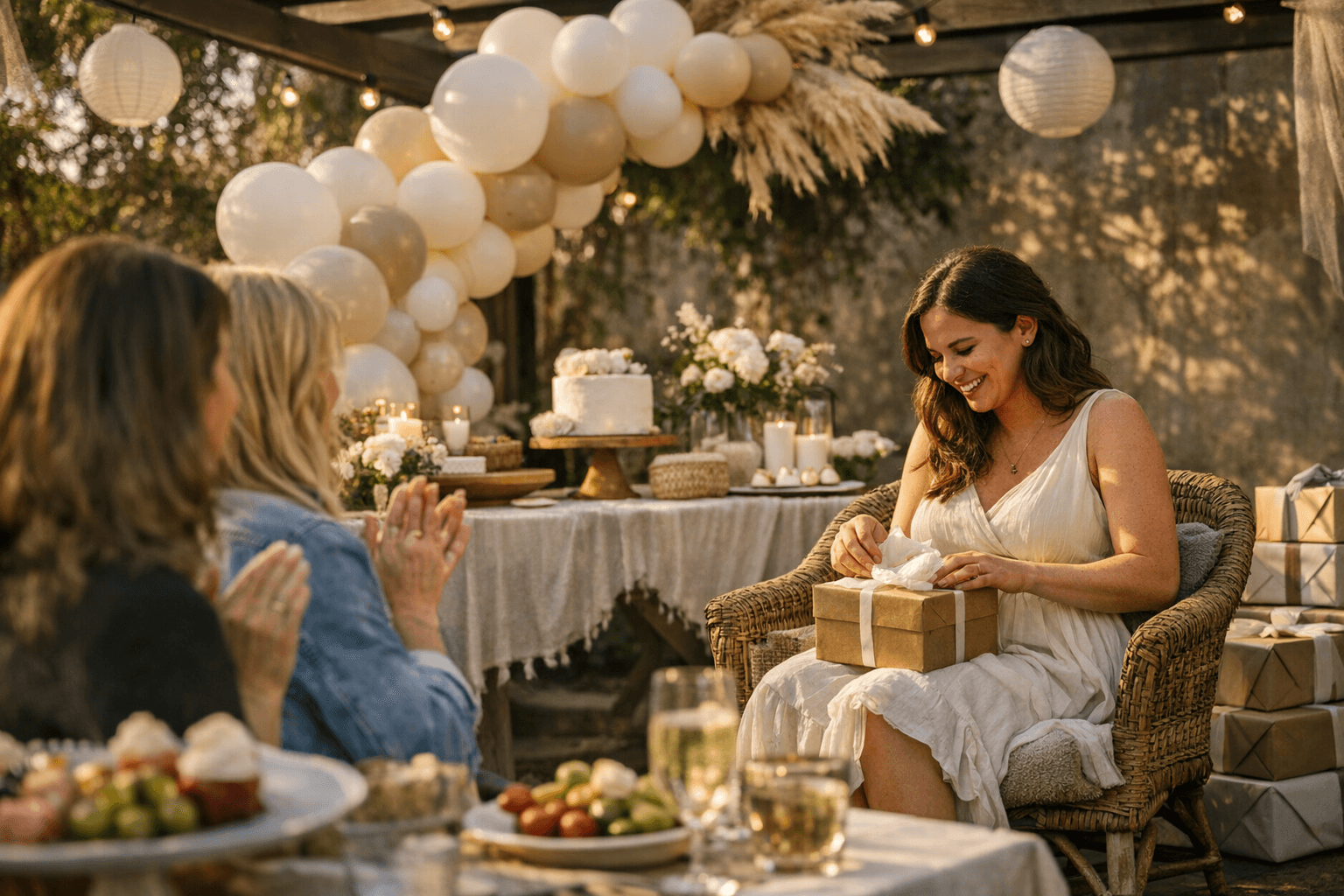
Baby shower entertainment is moving toward a simple rule: if a game makes guests tense, stalls the room, or drags on too long, it is losing ground. Play Party Game’s April 15 update captures that shift clearly, favoring activities that are easy to understand, quick to set up, and light enough to keep the mood moving. The emphasis is no longer on forcing everyone through a long, scripted activity. It is on creating genuine laughter, inside jokes, and easy participation across mixed-age guest lists.
That change matters because it reflects how hosts now judge a game in practice. The best options are low in embarrassment, short in duration, and broad enough that people do not need special knowledge or a willingness to perform. In other words, a baby shower game has to work in a real living room or event space, with real guests who may not know each other well and may not want to be put on the spot.
What actually makes a game fun
The strongest baby shower games today tend to have the same practical qualities. They are simple to explain in one sentence, require little or no preparation, and let people jump in without feeling overexposed. Play Party Game’s approach leans into humorous diaper-change contests, competitive guessing games, and other low-friction activities that can get a group laughing without turning the party into a performance.
The appeal is especially clear for mixed-age crowds. A game that works for older relatives, coworkers, close friends, and younger guests has a much better chance of becoming part of the room’s energy instead of a distraction from it. Humor helps, but only when it is paired with speed and accessibility. The most memorable games often create a shared moment quickly rather than stretching one joke across the entire event.
Practical traits that keep the room engaged
- Fast setup, so the host is not spending the party managing supplies.
- Clear rules, so guests can understand the game immediately.
- Short playtime, so the event keeps its rhythm.
- Low embarrassment, so no one feels trapped in an awkward challenge.
- Broad participation, so the game works for different ages and personalities.
That mix is what turns a baby shower activity from a chore into an icebreaker. It also explains why a simple guessing game can land better than something more elaborate. Guests are more likely to relax when they know the activity will not ask for much and will not linger.
Mixed-age groups are shaping the category
One of the strongest signals in the baby shower space is how segmented the activity market has become. The Bump’s baby-shower games coverage groups ideas into categories for funny, easy, printable, for men, for large groups, and for kids. That kind of sorting reflects a practical reality: hosts are no longer looking for a single universal game. They want options that match the size, tone, and makeup of the guest list.
The Bump also says a key planning principle is to keep the audience in mind. That advice lines up with its finding that 14 percent of respondents prefer challenge-style games such as blind diaper changing. The number is not enormous, but it is meaningful because it shows there is still room for active, competitive games as long as they fit the crowd. The broader lesson is that baby shower entertainment works best when it acknowledges who is actually in the room.
Icebreakers, not rituals
The Knot frames shower games as icebreakers that help guests get acquainted, socialize, and create fun memories. That is an important shift in how the category is being used. Instead of treating games as formal party rituals that everyone must endure, hosts are using them as tools to loosen up the room and make conversation easier.
That approach fits modern baby shower etiquette as well. A 2025 etiquette guide describes today’s baby showers as more flexible and inclusive than ever, which helps explain why hosts are moving away from rigid traditions. The newer model leaves more room for personal style, group comfort, and a party flow that feels social rather than scripted. Games are part of that experience, but only if they support connection instead of creating pressure.
Why planners and vendors are leaning into simple formats
For vendors and planners, the demand pattern is clear. There is strong room for printable materials, simple prize ideas, and game kits that can be assembled quickly. Those products solve the exact problems that modern hosts are trying to avoid: complicated setup, awkward instructions, and a lot of time spent organizing the entertainment instead of enjoying the party.
The commercial opportunity is tied to speed and flexibility. A printable game package can be adapted for in-person or hybrid events, which makes it especially useful for hosts trying to keep the party inclusive without adding logistical stress. Quick-assemble kits also fit the current appetite for low-stress activity packages that feel current and easy to personalize.
The broader market is pushing in the same direction
The baby shower game trend does not exist in isolation. Market research on party supplies points to a broader shift toward personalization, themed celebrations, and more tailored event experiences. Market Research Future describes the party supplies industry as experiencing a dynamic shift toward personalization and sustainability, driven by evolving consumer preferences. That helps explain why hosts are increasingly drawn to baby shower activities that can be customized without becoming complicated.
The market figures underline the scale of that opportunity. One forecast estimated the party supplies market at USD 15.34 billion in 2024. Another placed global party supplies at USD 21,875.97 million in 2024 and projected growth at a 4.9 percent compound annual rate through 2033. Those numbers suggest that even small changes in party behavior can matter to suppliers, because hosts continue to spend on products that make events easier to run and more personal to experience.
Why the lighter approach is sticking
The strongest lesson from the April 15 update is that baby shower games are not disappearing, they are becoming more usable. Hosts still want laughter, competition, and a sense of occasion. What they do not want is a long stretch of awkwardness, overcomplicated rules, or activities that only a few guests are willing to try.
That is why the current formula is resonating: quick games, simple materials, broad participation, and enough humor to make the room feel warm without turning it into a pressure test. In a market that prizes personalization and inclusive social experiences, the winning baby shower game is the one that helps people connect fast and leaves the party with energy still in reserve.
Sources:
Know something we missed? Have a correction or additional information?
Submit a Tip