Stylish Baby Shower Ideas That Look Expensive on a Budget
The best baby showers in 2026 are the ones that spend smart: themed decor, digital invites, and reusable details can look polished without luxury prices.
Smart style starts with the budget
The cleanest-looking baby showers are often the ones that know exactly where the money should go. Play Party Game’s approach treats budget as part of the design brief, not a downgrade, and that is the right instinct for hosts who want the room to feel styled without tipping into Pinterest-level excess.
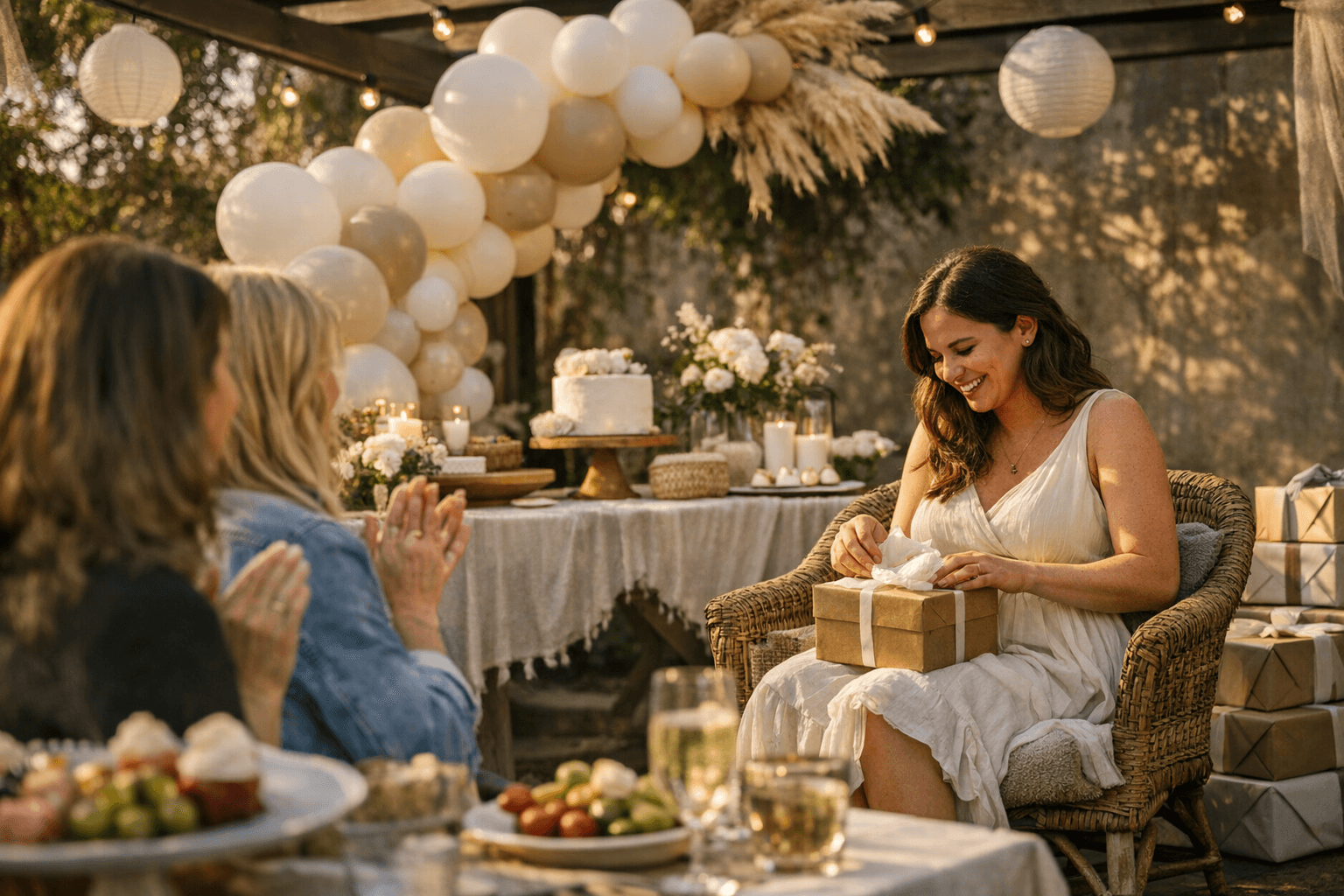
That means building the event around a few strong visual choices, then filling in the rest with inexpensive, thoughtful details. A memorable shower does not need a giant decor package if the theme is cohesive, the colors are chosen carefully, and the setup uses natural elements, repurposed household items, and seasonal materials that already look pulled together.
Choose themes that do the heavy lifting
The easiest way to make a budget shower look expensive is to pick a theme that comes with built-in texture. A cozy pumpkin-inspired shower works because it leans on seasonal materials and warm tones that feel intentional without requiring specialty purchases. A baking-themed shower is just as practical, since common kitchen props and easy-to-source items can double as decor.
That same logic shows up in Evite’s trend coverage, where woodland, mushrooms, boho, celestial, safari, citrus, bears, and classic-character themes all remain popular. These looks are not expensive because they are complicated. They work because they can be built from simple greenery, wildflowers, wooden accents, and other accessible pieces that read well in photos.
The key is restraint. Pick one visual lane and stay in it. A few pumpkins, a handful of wooden serving pieces, or a clean boho palette will look more polished than a room packed with random baby trinkets and mismatched novelty decor.
Themes that feel polished without specialty buying
The best budget-friendly concepts usually have three things in common:
- They rely on materials you can source locally or already own.
- They look complete with only a few large visual anchors.
- They can be scaled up or down for a family shower, a casual co-ed event, or a smaller gathering at home.
That is why seasonal themes and nature-driven palettes work so well. They give you permission to keep the design simple while still making the shower feel styled.
Spend on the details guests will actually notice
The fastest way to blow a budget is to overpay for things people glance at for ten seconds. Evite is blunt about the biggest cost traps: large balloon arches, specialty party favors, and lots of flowers can all become high-ticket items fast. That does not mean you have to cut them entirely, but it does mean you should choose them carefully and only when they truly anchor the room.
Evite’s budget guidance points toward cheaper swaps that still look finished. Digital invitations cost less than paper invites and are an easy win before the party even starts. Hosting at a private home, park, or church avoids venue fees altogether, which keeps more of the budget available for the pieces that actually show up in photos.
The smartest swaps
If you want the room to look custom without paying for custom work, this is where to spend less:
- Use digital invitations instead of printed stationery.
- Host at home, in a park, or at a church instead of a rented venue.
- Buy flowers from a farmers market or grocery store instead of a florist.
- Choose balloon arches or other reusable decor instead of hiring a company for a one-off installation.
- Repurpose household items as serving pieces, backdrops, or table accents.
Those choices are not just cheaper. They are often more flexible, which matters when you are styling a room for a baby shower rather than staging a formal event.
Budget is also about who pays
The old assumption is still there: the host pays for the baby shower. Evite says that remains the traditional expectation. But modern practice is much more flexible, and that is good news for anyone trying to keep a celebration from becoming financially awkward.
Today, the parent-to-be, grandparents-to-be, or a group of guests may all help cover the costs. Evite also notes that crowdfunding has become a popular way to split expenses, which fits the way many showers are actually planned now. That flexibility matters because the vision for a shower can escalate quickly once the guest list starts expanding and the decor gets more ambitious.
Transparency helps. If the plan includes a large balloon arch, specialty favors, or a lot of flowers, say so early. Those are the exact items that can stretch a wallet, and they are much easier to manage when everyone understands the scale before shopping begins.
Timing matters more than most hosts think
The strongest budget strategy is often the simplest one: plan early enough to make better choices. Evite says baby showers are traditionally held in the third trimester, usually between the 32nd and 36th week, or about 4 to 6 weeks before the due date. That window gives hosts enough time to source affordable decor, compare invite options, and avoid last-minute splurges.
It also helps explain why low-cost planning has become so practical. When the shower is close enough to the due date to feel meaningful, but not so close that every decision becomes rushed, there is room to make deliberate trade-offs. That is where budget styling works best.
Parents are getting more involved in the planning
Babylist’s 2026 etiquette guidance shows how much the rules have shifted. Parents-to-be can host their own shower, and 91% of surveyed parents said they were involved in planning their shower in some way. Even more striking, 25% said they hosted their own shower with no other help.
That is a major clue about what people want from the event now. It is not just a gift table and a cake. It is a shared celebration that often reflects the parents’ taste, their budget, and their willingness to keep the whole thing personal. The more involved they are, the more likely the shower is to feel cohesive rather than overproduced.
Why practical gifts and polished decor belong together
The broader consumer picture backs up the same idea. The International Housewares Association’s 2026 Occasions Survey found that 26% of consumers would choose a gift card for a baby shower, and bathroom or personal-care products tied for first among the housewares categories considered for the occasion at 31%. That tells you something important: baby showers still sit at the intersection of celebration and utility.
In other words, the event does not have to look expensive to feel meaningful. Guests are already thinking in terms of useful, practical gifts, and hosts can match that energy with smart, value-driven styling. That is why the best baby showers in 2026 are not the most lavish ones. They are the ones that know how to use a theme, a few low-cost anchors, and a little restraint to make every dollar look intentional.
Know something we missed? Have a correction or additional information?
Submit a Tip