Aramco helicopter crash kills 14 in Saudi Arabia, investigation underway
A Saudi Aramco helicopter crashed in Ras Tanura around 6 a.m., killing all 14 aboard and putting one of the kingdom’s key oil hubs under scrutiny.
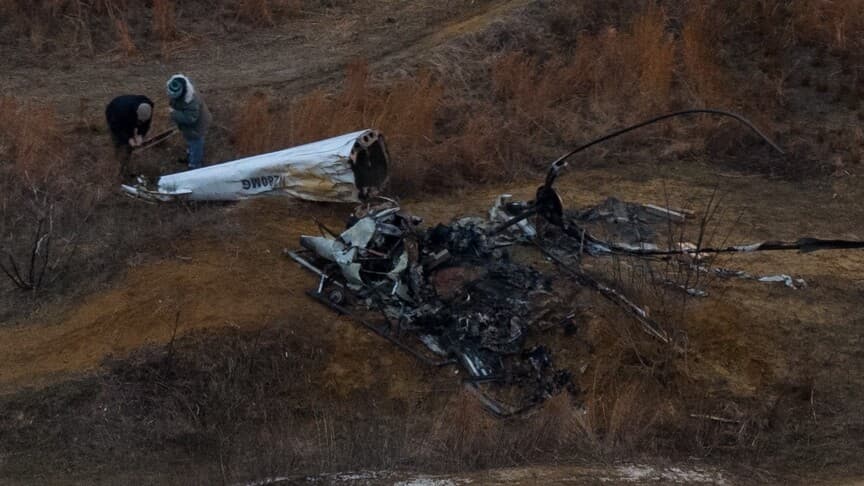
A Saudi Aramco helicopter crashed in Ras Tanura on Saudi Arabia’s eastern coast around 6 a.m. Sunday, killing all 14 people aboard and prompting a full investigation by the kingdom’s authorities. The Ministry of Energy said the crash involved a helicopter operated by Saudi Aramco and that all 14 victims were Saudi nationals.
The cause of the crash was not immediately known, and Aramco did not immediately respond to a request for comment. The official statement from the ministry said the relevant authorities had launched a full investigation into what happened at the site, where the human loss is now matched by questions about operations at one of the country’s most sensitive energy locations.
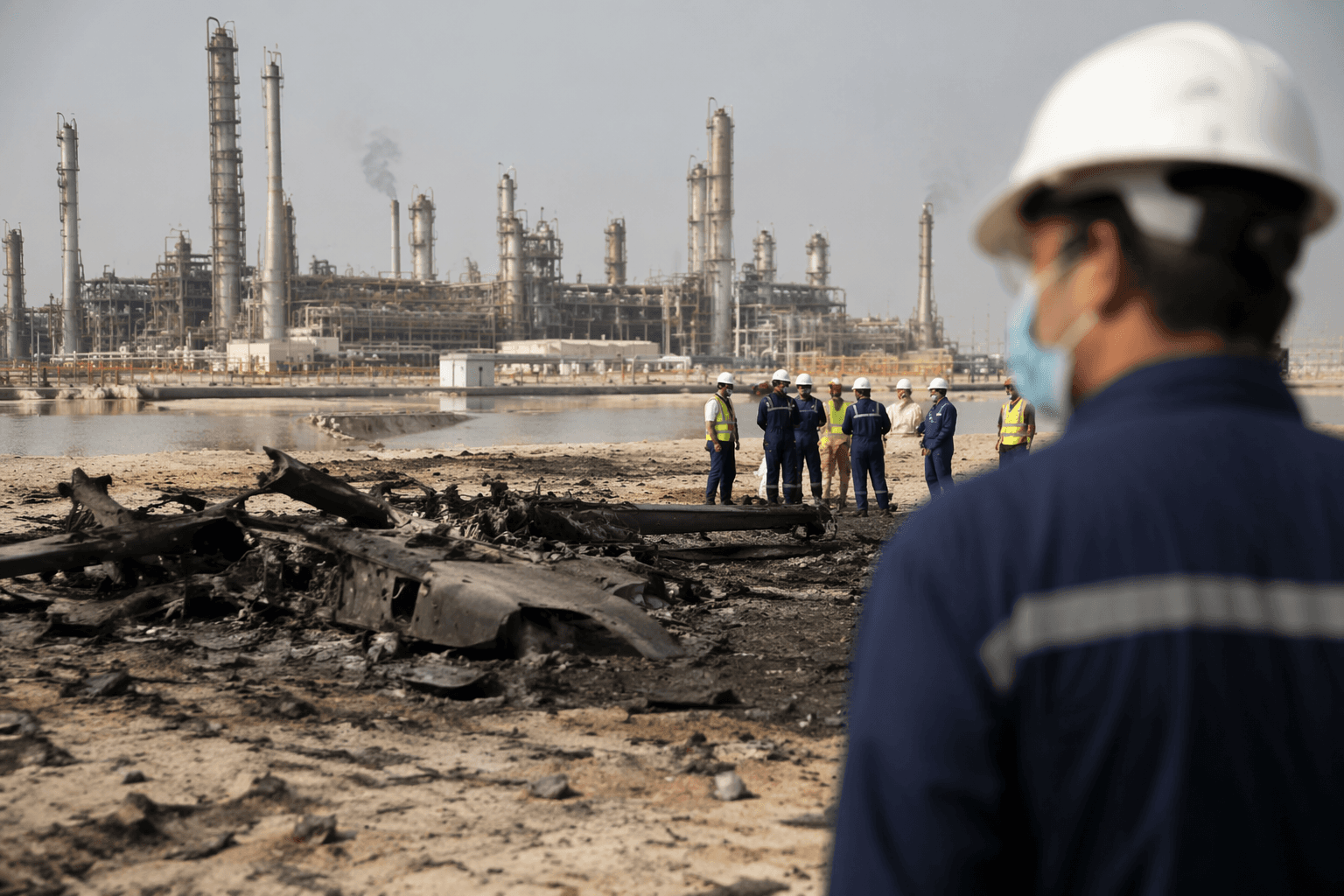
Ras Tanura sits on the Gulf west of the Strait of Hormuz, a chokepoint that the International Energy Agency describes as the primary export route for oil from Saudi Arabia and other regional producers, including the United Arab Emirates, Kuwait, Qatar, Iraq, Bahrain and Iran. The agency says a very large share of global oil and LNG trade moves through that waterway. Saudi Aramco resumed crude loadings at its Ras Tanura terminal on Friday after a near four-month halt, making the crash especially sensitive for a facility tied directly to export continuity.
The site’s importance is not new. Saudi energy history places the start of oil operations in Ras Tannurah at May 1, 1939, when the tanker D.G. Scofield anchored there. Offshore Technology describes the Ras Tanura refinery as having 550,000 barrels per day of crude distillation capacity, underscoring how much of the kingdom’s energy chain is concentrated in the area. Any disruption there can quickly raise concerns about safety, logistics and whether a single incident could ripple beyond the immediate accident scene.
For Saudi Arabia, the world’s biggest oil exporter, the crash is first and foremost a fatal transport accident with 14 dead. It is also a stress test for the resilience of an energy hub that sits near one of the most strategically important shipping lanes in the world, at a moment when the terminal had only just returned to service.
This article was produced by Prism’s automated news system from verified source data, official records, and press releases, then run through automated quality and moderation checks before publishing. The system is built and supervised by the people who set the standards it runs under. Read our full AI policy.
Did this article answer your question?