Marshall says U.S.-Iran war has become a mop-up operation
Marshall called the U.S.-Iran war "almost just a mop up operation" hours after fresh strikes, even as Congress moved to curb presidential war powers.
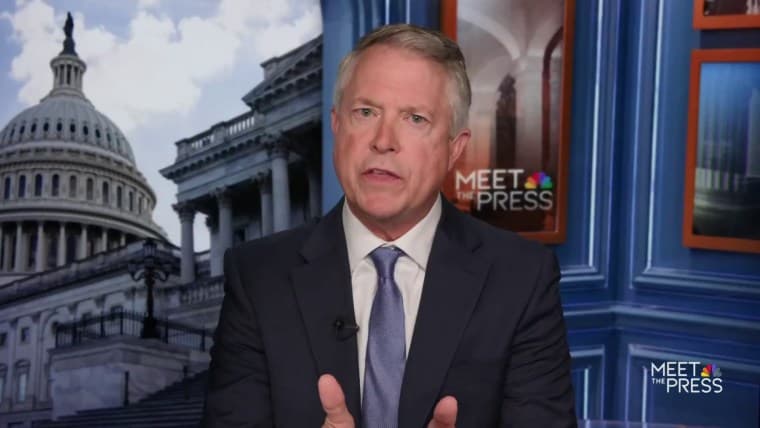
Sen. Roger Marshall put a new label on the U.S.-Iran conflict on Sunday, calling it “almost just a mop up operation” hours after fresh American strikes hit Iran. The Kansas Republican said on NBC News’ Meet the Press that “The major war is over,” even as the fighting continued to test the Strait of Hormuz and the limits of Washington’s stated goals.
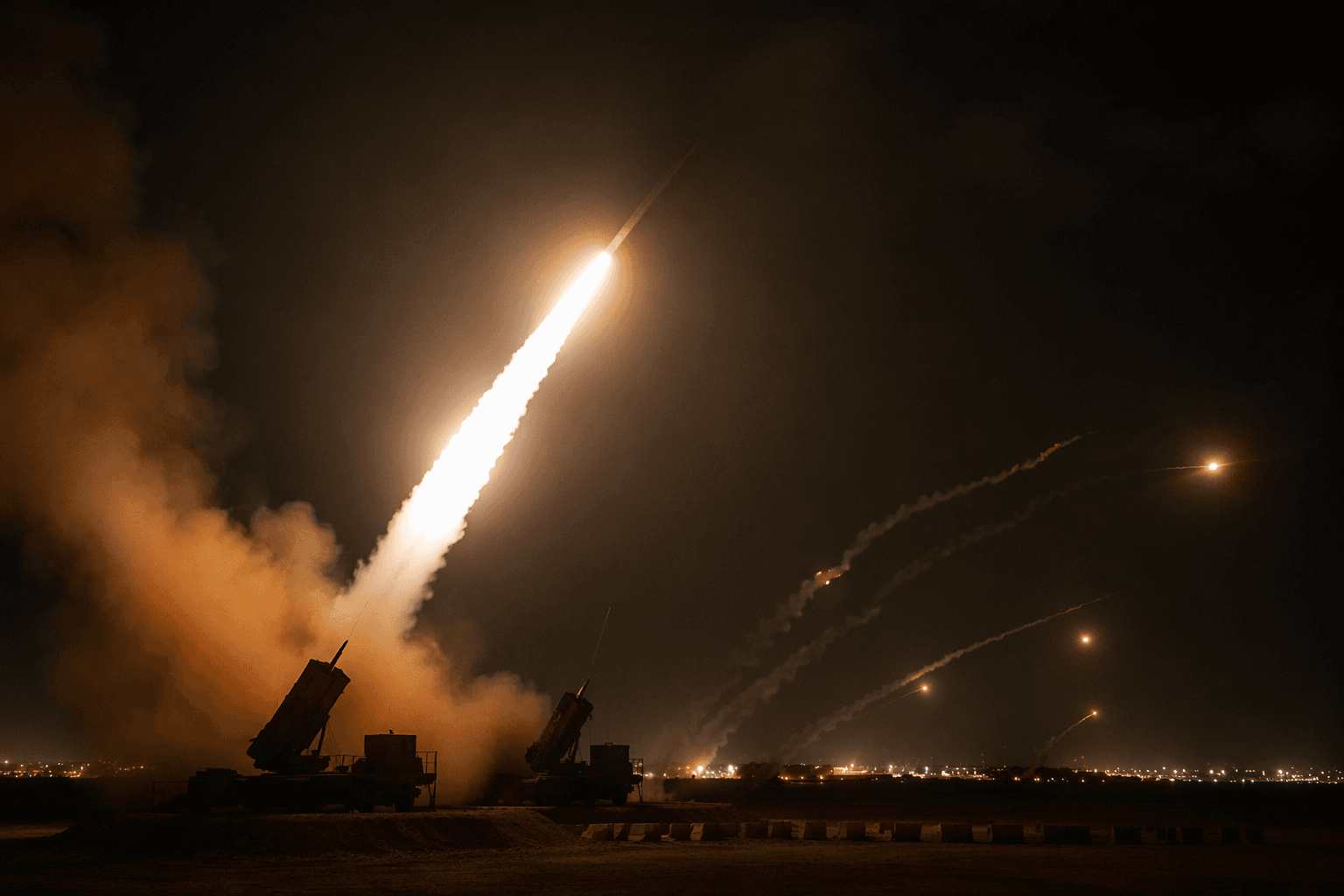
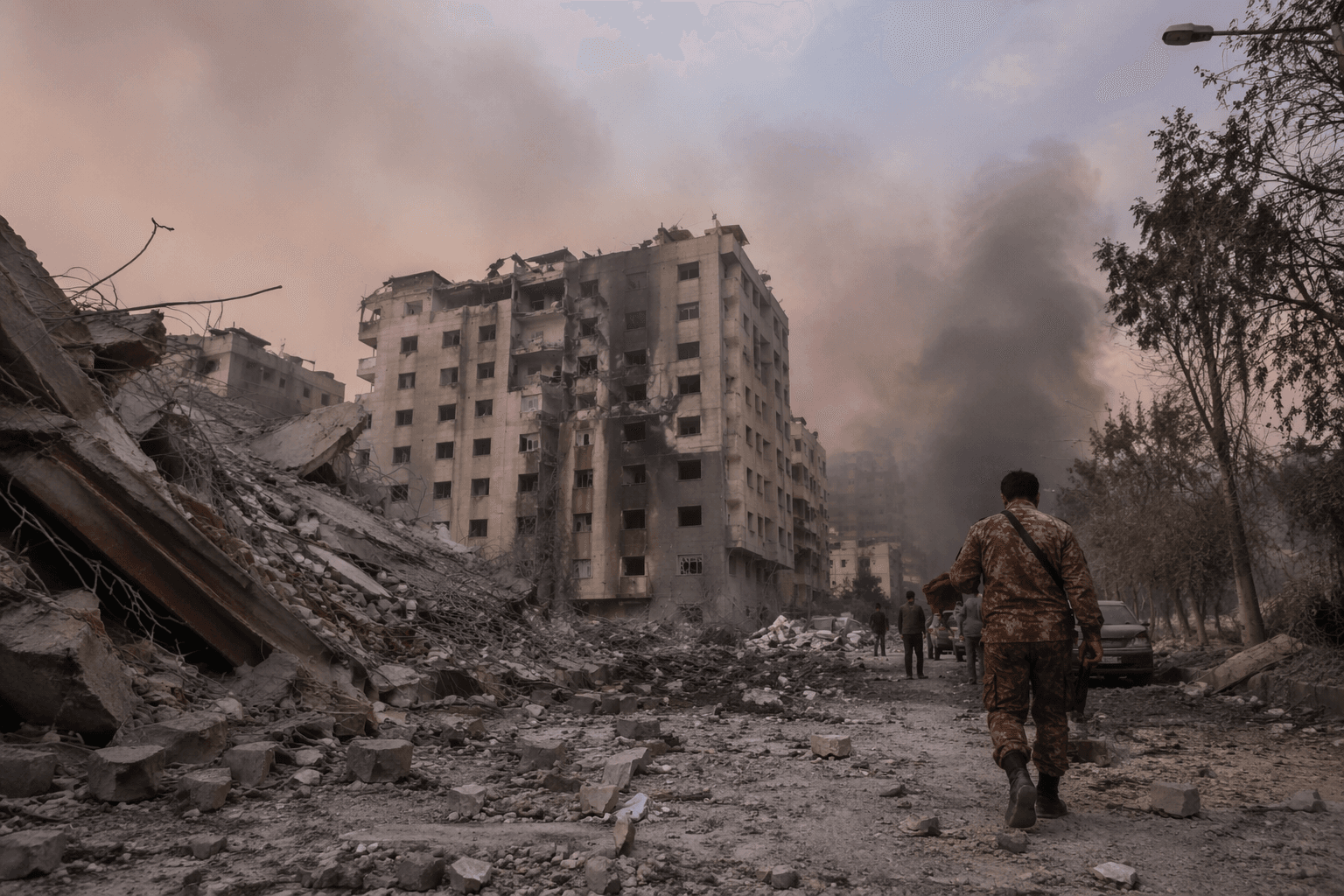
Marshall’s framing landed against a backdrop of renewed escalation. Reporting on the June 27 violence said U.S. forces launched additional strikes after an attack on a U.S.-linked oil tanker, and Iran later said it had hit American targets in Bahrain and Kuwait. The exchange raised fresh questions about whether the conflict was narrowing, as Marshall suggested, or widening into something harder to contain.
The senator has repeatedly defended Donald Trump’s approach to Iran, and on June 22 he laid out the administration’s priorities as “no forever wars, no nukes, keep the Strait open, and affordable gas and groceries for Americans.” Marshall tied that argument to a Trump administration memorandum of understanding with Iran and said diplomacy backed by strength remained the best path to long-term peace and security, while still leaving room for military action if talks failed.
That language has not quieted Congress. The House passed a War Powers Resolution on June 3, 2026, by 215-208, after the Senate advanced a similar measure on May 19, 2026, by 50-47. The votes reflected bipartisan concern about the war’s scope and about how much authority presidents can use to expand military action without Congress.
The economic stakes have been part of the political fight from the start. POLITICO reported that U.S. strikes hit Iranian radar and drone control sites in Geruk and Qeshm Island, eliminating Iranian air defenses, a ground control station and two one-way attack drones, while no American military members were harmed. The same coverage said crude oil prices climbed above $90 a barrel and average U.S. gasoline prices stood around $4.33 per gallon, underscoring how closely the conflict tracked the Strait of Hormuz, a choke point for global energy shipments.
Marshall’s comments showed how quickly officials can recast a war while the military picture is still moving. The ceasefire or truce remained fragile, the Strait remained central, and the congressional push to reclaim war powers was still advancing as the administration argued that limited strikes could prevent a broader one.
This article was produced by Prism’s automated news system from verified source data, official records, and press releases, then run through automated quality and moderation checks before publishing. The system is built and supervised by the people who set the standards it runs under. Read our full AI policy.
Did this article answer your question?