Arcata reminds residents to check for active bird nests before trimming
Arcata reminds residents that bird‑nesting season runs Feb. 1–Aug. 31 and urges checks for active nests before trimming vegetation to avoid harming nesting birds.
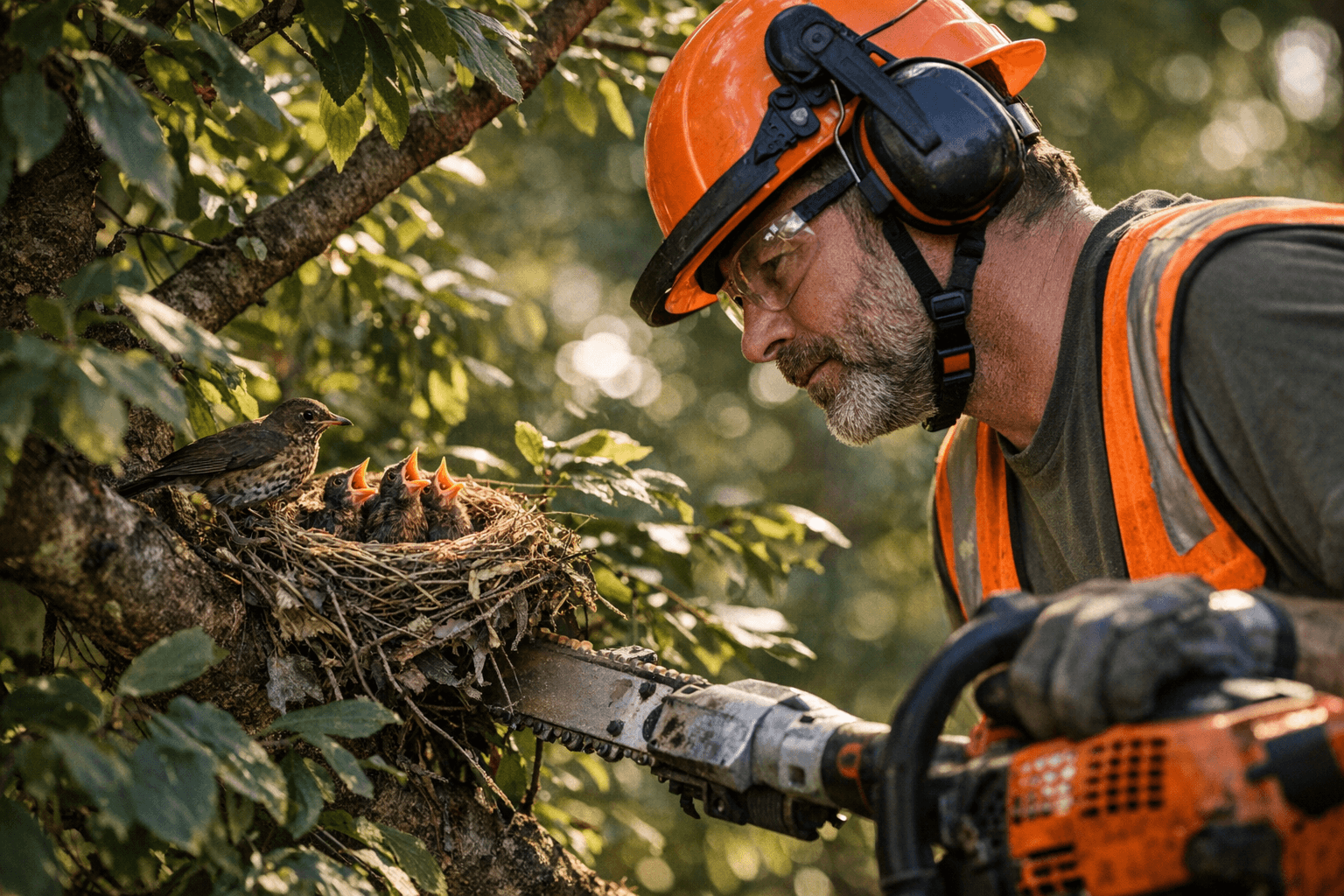
The City of Arcata is urging residents, landscapers and property managers around Humboldt Bay to check for active bird nests before trimming or removing vegetation during nesting season, which runs Feb. 1 through Aug. 31. City guidance breaks the season into an early period and a primary period and warns that many species and their young are vulnerable to disturbance.
“Feb. 1 – Mid‑April is the early bird nesting season. During this time, hummingbirds and birds of prey including hawks, owls, kites, eagles, vultures and falcons begin to nest. Major disturbances to vegetation, especially trees, should be avoided unless there is a thorough check for these nesting birds prior to starting work,” the City said. The guidance continues: “Mid‑April – Aug. 31 is the primary nesting season. Most bird species are nesting and young birds go through the fledging phase. They take shelter in low vegetation and are highly vulnerable to a variety of human disturbances at this critical time. Any disturbance to vegetation should be avoided unless there is a thorough check for active nests before work.”
The City provides practical indicators to help identify active sites. “If a bird is observed repeatedly visiting a nest or suspected nest site, building a nest or sitting on a nest, it is considered ‘active’ with eggs or nestlings,” the announcement states. Residents are also advised to watch for birds carrying nest material or food to the same spot, and to look for concentrations of white droppings on the ground and then check the vegetation above. The City cautioned that “the actual nest structure is likely to be well concealed and may not be seen if it is in dense vegetation,” and reminded readers that “Nests are not just found in trees!”, they may be in shrubs, ground vegetation, gravel, stream banks or human‑made structures. The City also notes that “Weeding and mowing lawns are acceptable activities during these times.”
Local reporting circulating alongside the City reminder includes recommended no‑work buffers when active nests are found: a 50‑foot no‑work buffer for songbirds and a 500‑foot no‑work buffer for raptors. The City’s announcement instructs that “If an active nest is found during surveys, avoid working in the area until the young have fledged.” The materials provided do not detail enforcement measures, permit changes or penalties.
The reminder has immediate implications for scheduled landscape work and construction activities in Humboldt County. Homeowners planning spring pruning, rental property managers arranging yard crews, and commercial landscapers should pause pre‑project trimming where bird activity is observed. For project planners and contractors, the City points to its construction and demolition guidance page and advises contacting Arcata’s Environmental Services Department for details; the department can be reached at (707) 822‑8184.
For residents, the message is clear: before cutting hedges, topping trees or clearing brush, check for repeated bird visits, concealed nests and droppings below vegetation. Taking those extra minutes now can help avoid disturbing nesting birds and reduce delays to yard work or projects through the spring and summer.
Know something we missed? Have a correction or additional information?
Submit a Tip