Archaeologists uncover intact Maya city Minanbé in Mexico's Yucatán
A remote Maya city found intact in Calakmul had no looting trenches, 14 stelae and altars, and a 13-meter temple-pyramid hidden beyond miles of forest.
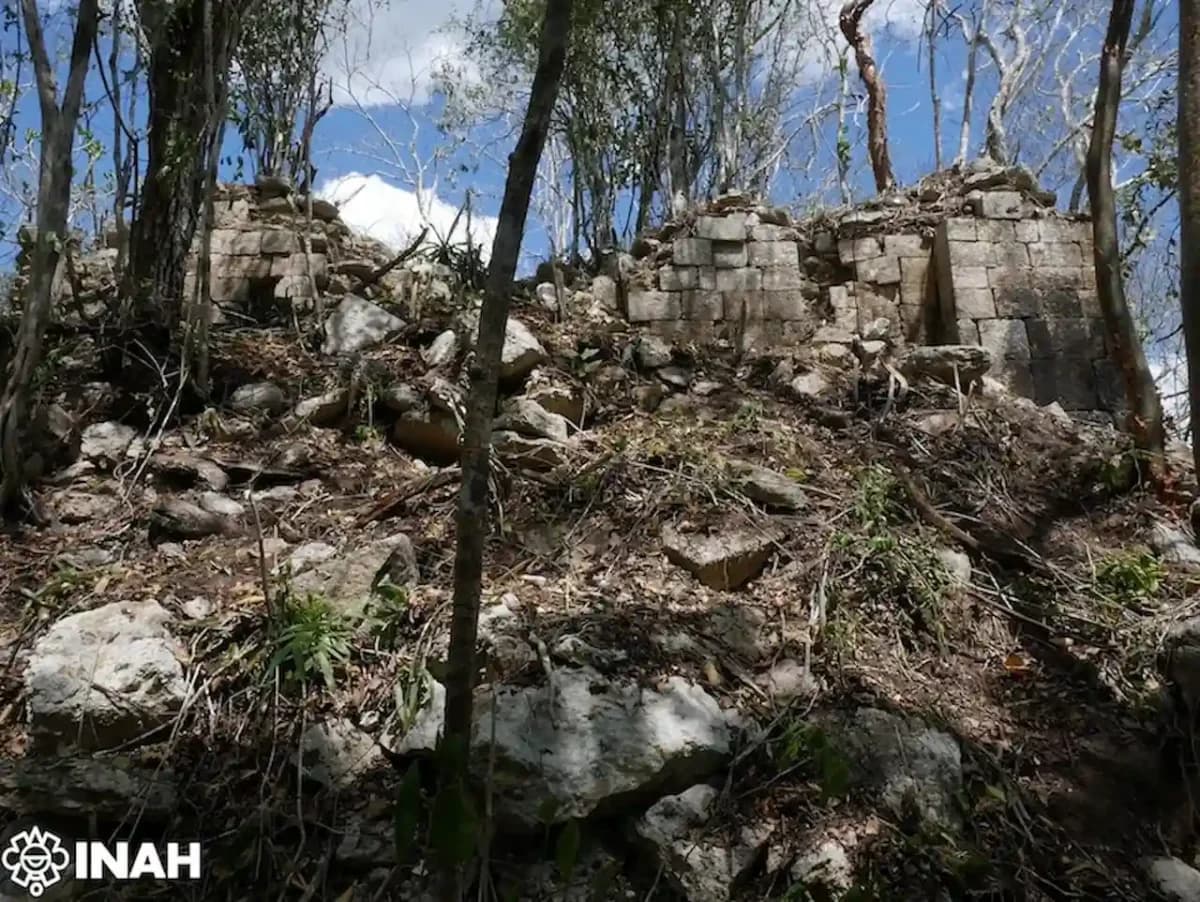
A joint Mexican-Slovenian team uncovered an intact Maya city in the Calakmul Biosphere Reserve after cutting a five-kilometer machete path, riding ATVs and then walking roughly the same distance on foot. The site, named Minanbé, escaped the looting trenches that scar many other Maya ruins in the region.
The discovery came in Campeche, at the base of the Yucatán Peninsula, during fieldwork led by Ivan Šprajc of the Research Centre of the Slovenian Academy of Sciences and Arts, with authorization from Mexico’s National Institute of Anthropology and History. The project capped three decades of work by Šprajc on the central Maya lowlands, a region the institute estimates once held 9 million to 11 million people during the Late Classic period, from 600 to 900 CE.
Minanbé flourished from the Late Classic into the Terminal Classic period. The settlement’s monumental core covers about 15 hectares and includes plazas ringed by palatial and religious buildings, terraces and wetlands with canalization. The team recorded 14 stelae and altars, several carved with hieroglyphs, placed at the end of a causeway linking the central and northeastern sectors of the city. One of the tallest structures is a temple-pyramid more than 13 meters high, with Río Bec-style features.

The name Minanbé comes from Yucatec Maya mina’an, meaning there is no, and bej, meaning road. Workers from the Constitución community helped open the route. Šprajc said access was far harder than in other survey areas and that the site was the first they had found completely intact in the past three years.
The biosphere reserve was established in 1989, registered with UNESCO’s Man and the Biosphere Programme in 1993, and linked to the ancient city of Calakmul, which UNESCO says played a key role in the region for more than twelve centuries. Calakmul was inscribed as a World Heritage Site in 2002 and expanded in 2014 as a mixed natural and cultural site.
This article was produced by Prism’s automated news system from verified source data, official records, and press releases, then run through automated quality and moderation checks before publishing. The system is built and supervised by the people who set the standards it runs under. Read our full AI policy.
Did this article answer your question?


