Argentina retirees return to work as inflation erodes pensions
Older Argentines are returning to work as pensions lose value, signaling how inflation and weak benefits are turning retirement into a precarious stage of life.
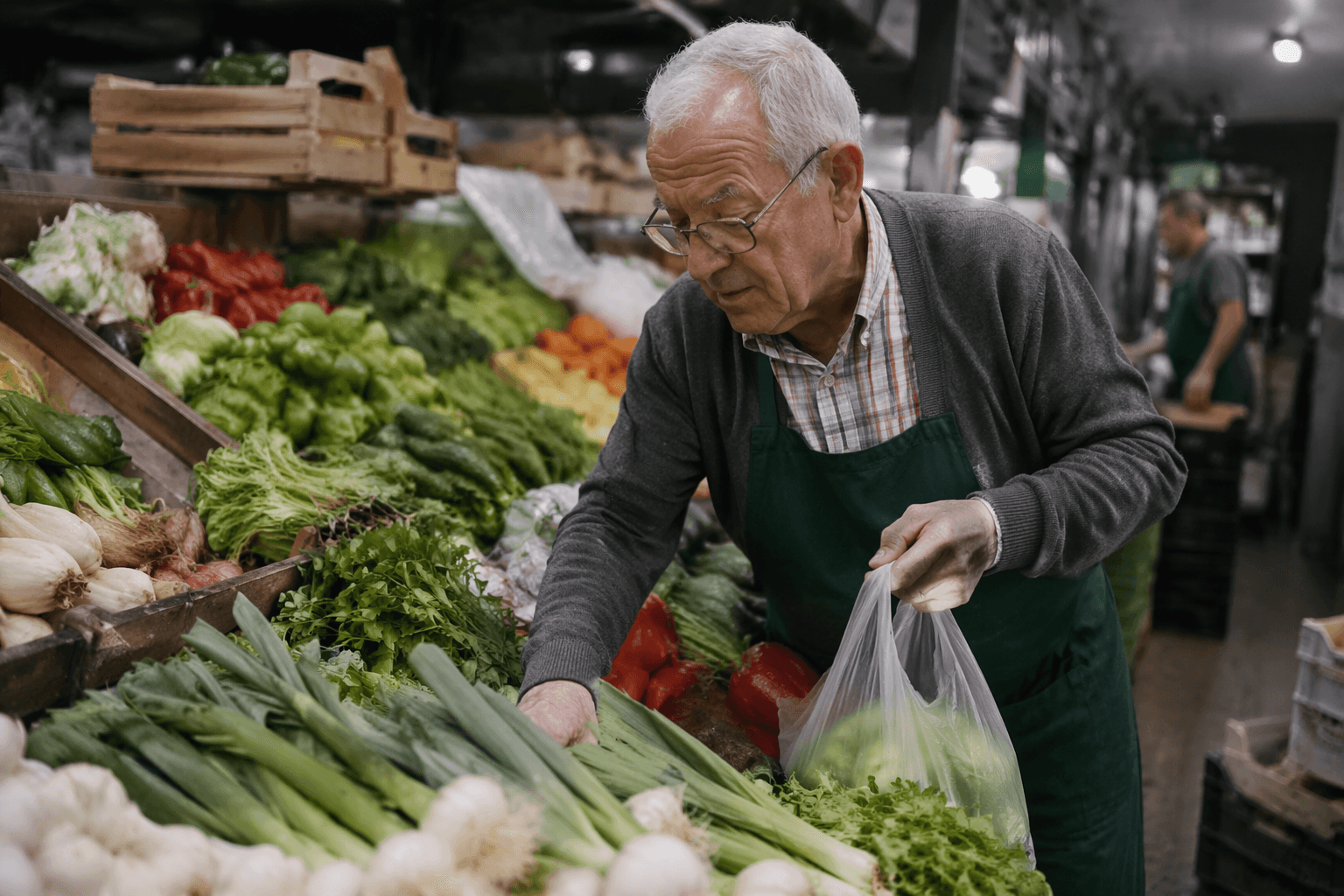
Inflation and austerity are pushing older Argentines back into the labor market long after they expected to leave it. In the past two years, the number of employed Argentines age 65 and older rose 12.7 percent, according to sociologist Candelaria Rueda of the Argentina Grande Institute, with older women seeing a particularly sharp rise in labor-force participation.
Patricia Guscione, a former teacher, retired at the legal age of 60 for women, then returned to public schools after her pension could no longer cover the cost of running her household. Her case reflects a wider squeeze: retirement income is being outpaced by inflation, while wage stagnation and fiscal tightening have made it harder for older adults to live on fixed benefits. For many families, that means older relatives are staying in the workforce to help pay for food, rent and school expenses, rather than stepping into a stable retirement.
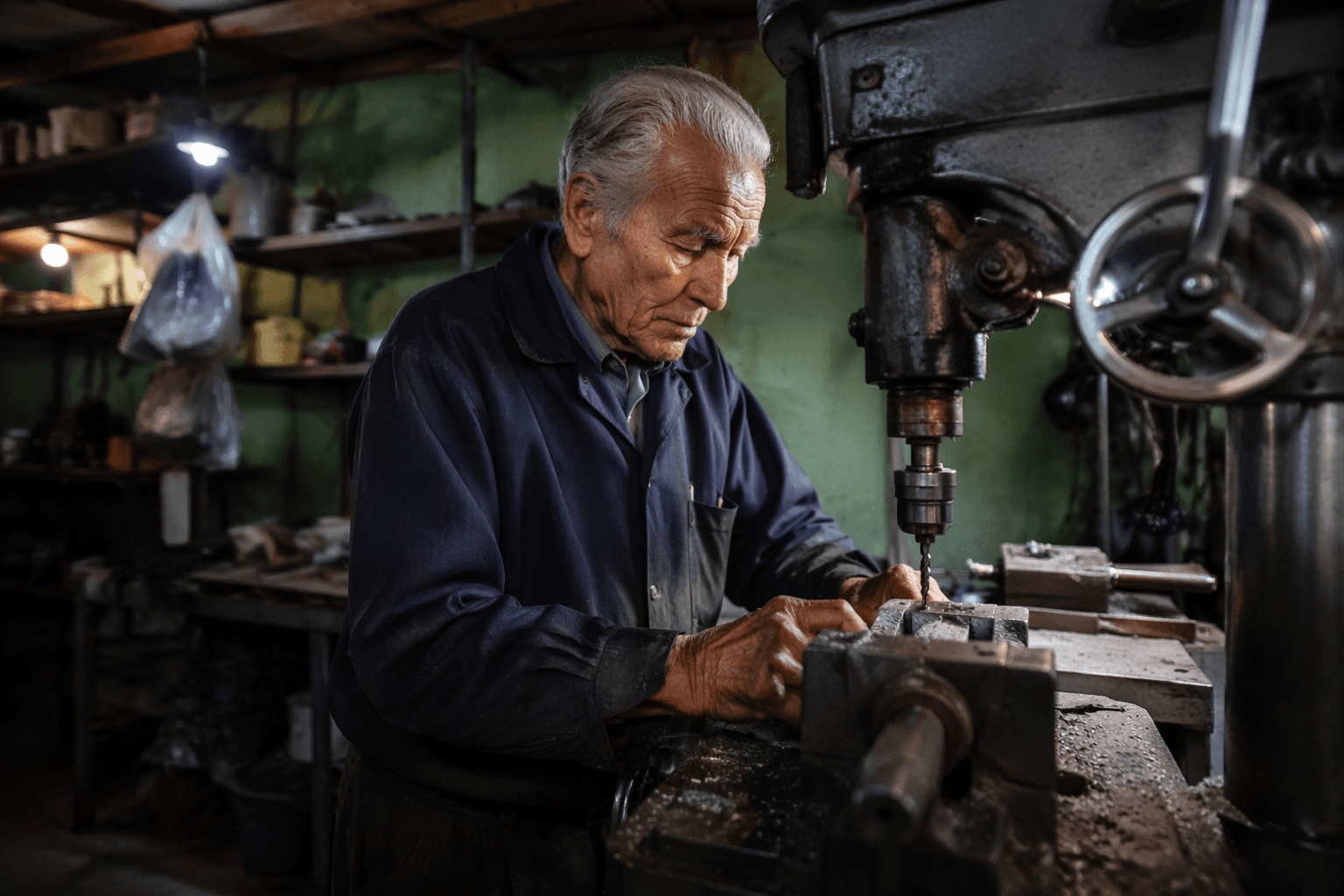
Across Latin America, the pattern is becoming more visible. The Economic Commission for Latin America and the Caribbean says the lack of pension income is the main reason older people keep working beyond retirement age, and it has warned that women are especially exposed because contributory pension coverage is more limited than men’s. Its joint reporting with the International Labour Organization found that 35 percent of people age 60 and over in the region are employed, including 39 percent of those ages 65 to 69 and 20 percent of those 70 and older.

The regional pressure is expected to deepen. The Inter-American Development Bank says Latin America and the Caribbean are aging faster than any other region in the world, and by 2050 people older than 60 will make up the largest share of the population in a region still marked by poverty and labor informality. That demographic shift is colliding with weak safety nets, leaving many retirees to piece together income through continued work instead of relying on pensions alone.
In Argentina, the strain is already political. The Pan American Health Organization said people over 65 accounted for 12.4 percent of the population in 2024, and pensioners have pressed for higher benefits as Javier Milei’s austerity program has tightened household budgets. A minimum pension of about 326,304 pesos a month, plus a 70,000-peso bonus frozen for two years, has left many retirees unable to cover basic expenses. What is emerging is not a short-term adjustment, but a broader erosion of middle-class security, where old age increasingly depends on whether a person can keep working.
This article was produced by Prism’s automated news system from verified source data, official records, and press releases, then run through automated quality and moderation checks before publishing. The system is built and supervised by the people who set the standards it runs under. Read our full AI policy.
Did this article answer your question?


