Argentine giant telescope sits unfinished amid U.S.-China tensions and delays
Argentina’s 40-meter CART was meant to be a science showcase, but customs delays, new permit rules and U.S.-China pressure left it nearly finished and politically stranded.
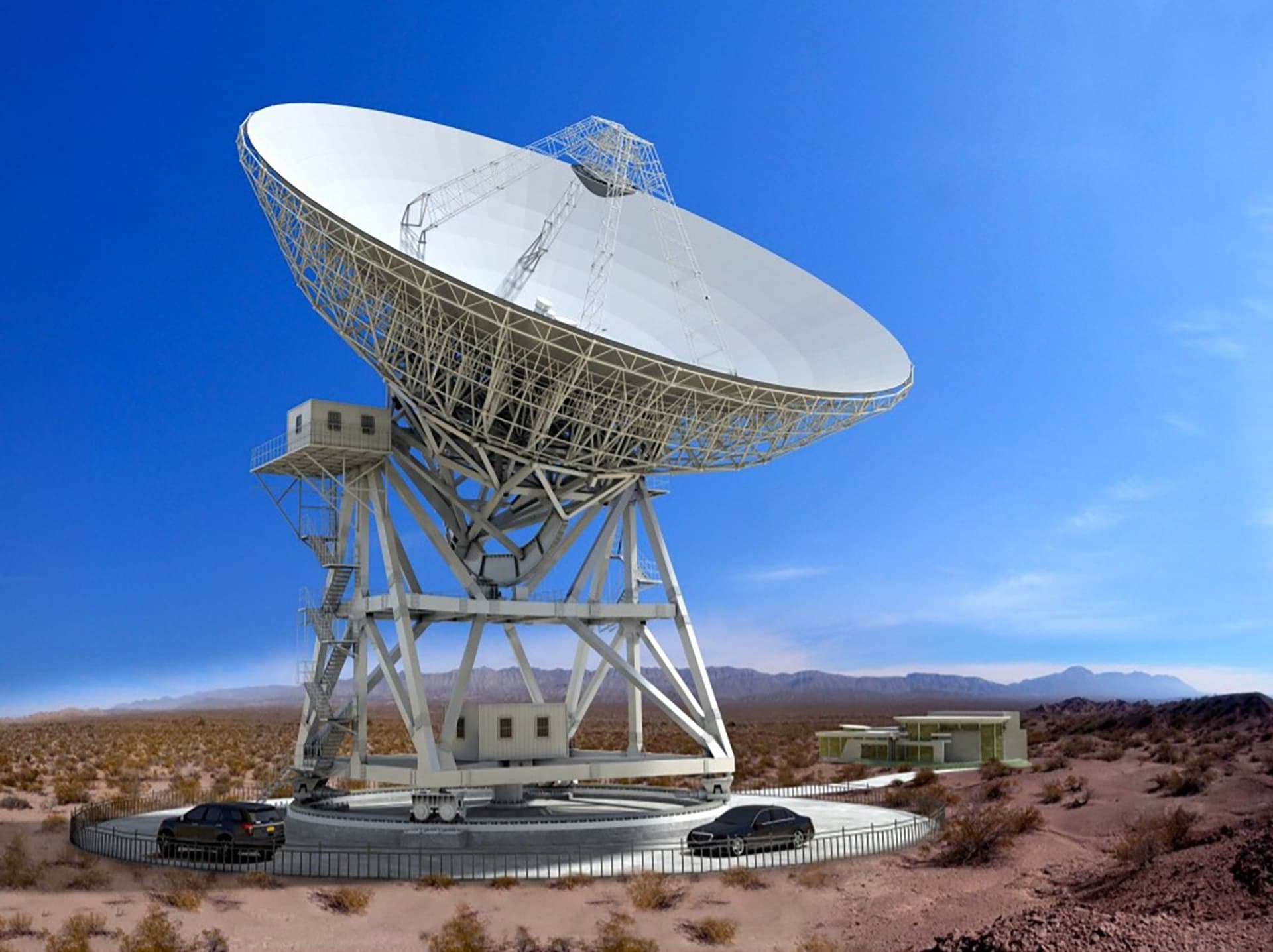
A giant telescope in San Juan province now sits as a test of whether Chinese-backed infrastructure in Argentina is civilian science, strategic leverage or both. That question matters far beyond the Argentine Andes, because the same project that promised astronomy and pulsar studies is now caught in the U.S.-China contest over who gets to build, operate and control sensitive technology abroad.
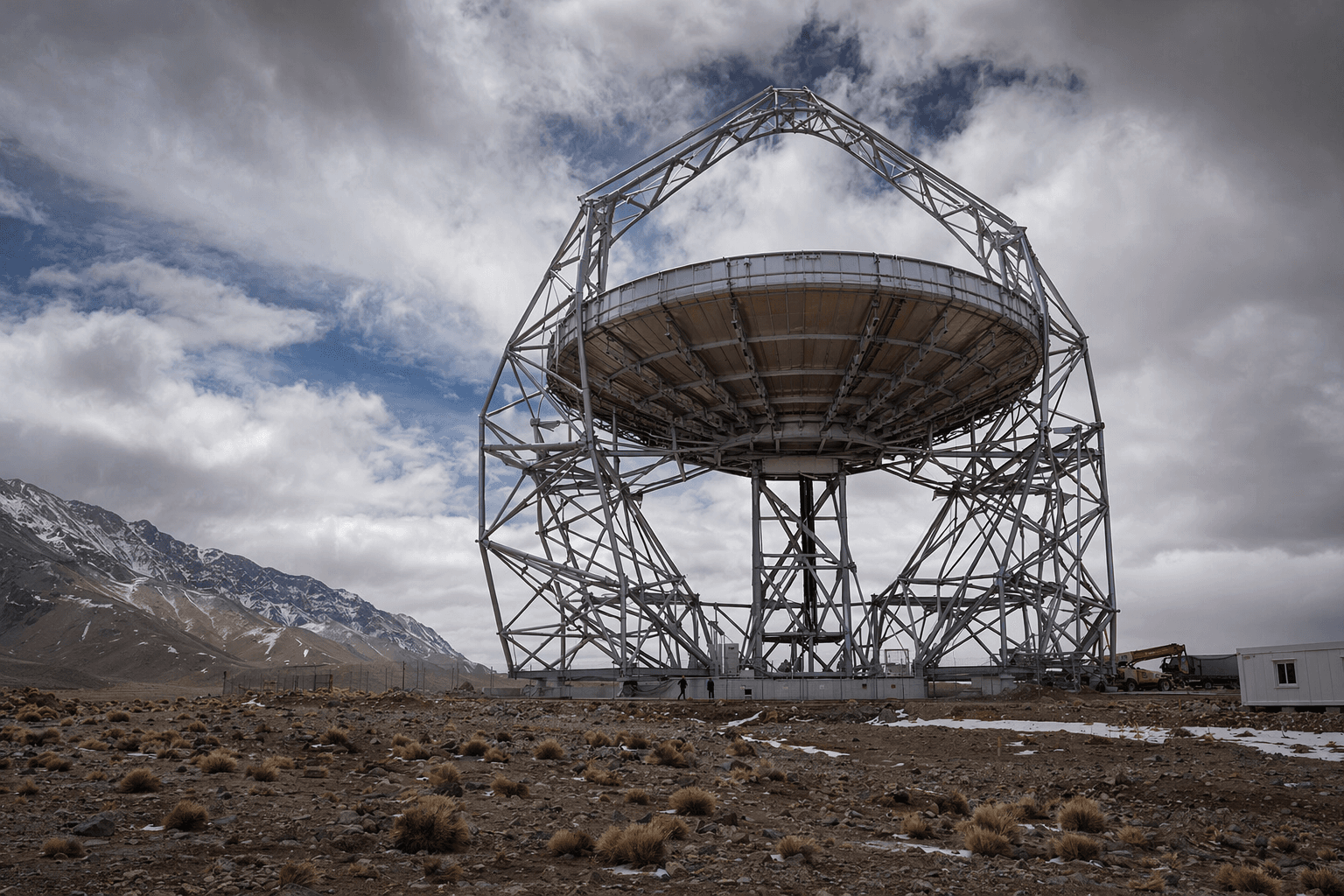
The China-Argentina Radio Telescope, a 40-meter dish described by project officials as the largest radio telescope in South America, was about 90% complete when it stalled. Built for work in the 1-45 GHz range, CART was designed to support astronomy, geodesy, astrophysics, georeferencing and pulsar studies. Chinese and Argentine institutions said the project had been assembled through more than a dozen joint agreements and memorandums of understanding, and that it had been launched about a decade ago as a symbol of scientific cooperation between Beijing and Buenos Aires.
Instead, the telescope became tangled in a sequence of political and logistical blows in 2025. Argentina’s science agency missed a deadline in June to renew a cooperation agreement with China. In September, customs officials in Buenos Aires held up a shipment of key Chinese-made dish parts. Then, on Oct. 17, the Milei government issued a rule requiring Defense Ministry approval for any installation of radars, observatories or aerospace systems. Project leaders in San Juan warned that the telescope could become “scrap metal” if the standoff continues.
Washington’s role sharpened the stakes. The Trump administration’s offer of up to $20 billion in support for Argentina was tied to suspending strategic ties with China, including observational facilities, putting CART in the middle of a wider bargain over finance and security. China’s embassy in Buenos Aires answered with its own warning, denouncing U.S. pressure as “Cold War-style interference in Latin America.”
The telescope’s future is now being judged against another Chinese installation in Argentina, the Deep Space Station in Neuquén province. That site was created under 2012 agreements between China Satellite Launch, Tracking and Control General and Argentina’s National Commission on Space Activities, plus an accord with Neuquén province. Critics say the operator is linked to the People’s Liberation Army and that Argentine authorities need Chinese consent to enter the base, a restriction that has kept sovereignty concerns alive for years.
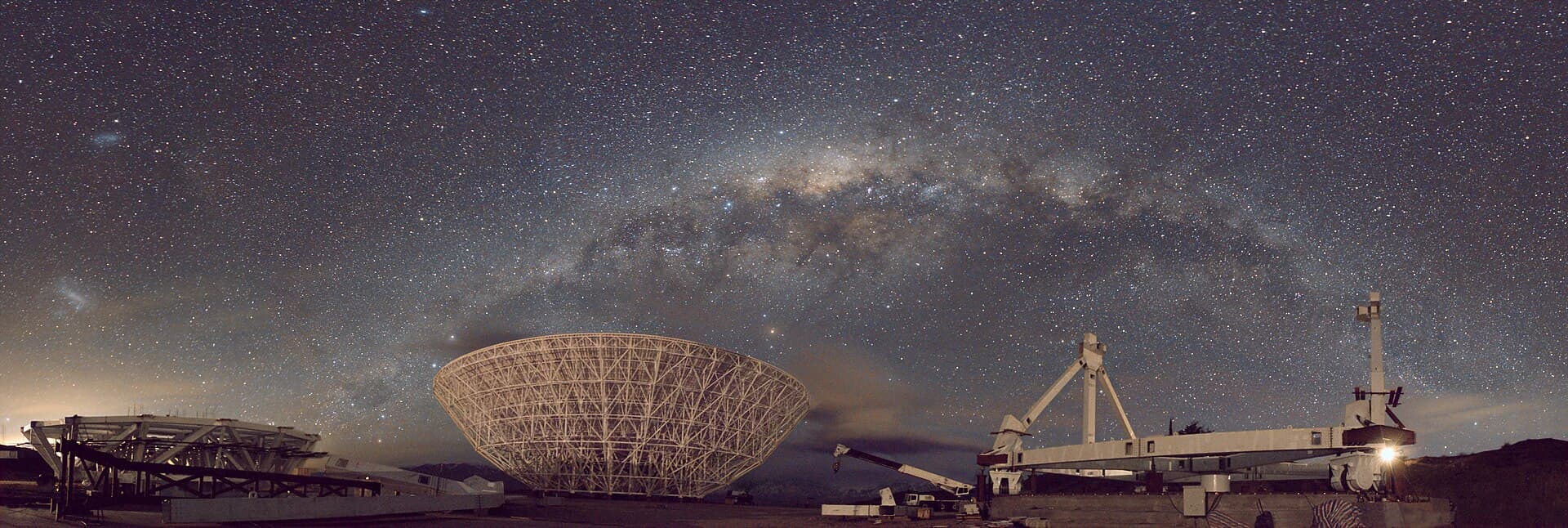
CART was supposed to begin testing in 2025. Instead, it has become a warning for U.S. policymakers watching Chinese infrastructure spread across Latin America: even projects presented as scientific can acquire strategic weight once financing, access and control become part of the deal.
This article was produced by Prism’s automated news system from verified source data, official records, and press releases, then run through automated quality and moderation checks before publishing. The system is built and supervised by the people who set the standards it runs under. Read our full AI policy.
Did this article answer your question?