China grows more assertive as U.S. ties deteriorate further
Beijing is using the trade truce as cover to test U.S. resolve, while Trump’s second-term reset has yet to produce real leverage.
A colder relationship, a harder test
China’s message to Washington is getting harder to miss: U.S. pressure no longer looks fearsome enough to avoid, it looks manageable enough to probe. That shift turns the next Trump-Xi meeting in Beijing into more than a diplomatic photo-op; it is a live test of deterrence, with trade, technology and Taiwan all on the table.
The relationship has deteriorated sharply across 2025 and into 2026. Tensions flared repeatedly over tariffs and Taiwan, and a December 2025 survey of 79 U.S. experts found that only 5% thought China viewed the United States as a normal partner. About half said Beijing saw Washington as a strategic competitor, and almost as many called it an adversary. Just 26% said ties were more stable than a year earlier, a sign that even seasoned analysts saw the relationship becoming less predictable, not more.
Trump’s reset did not end the rivalry
Trump opened his second term with a hard line on China, sharply escalating tariffs and at one point raising them to 140%. Later in 2025, he shifted toward a more conciliatory posture and started talking about a “G2” era, suggesting a managed great-power relationship rather than open confrontation. That rhetorical shift mattered, but it did not erase the underlying competition.
The clearest sign came on October 30, 2025, when Trump and Xi Jinping met in Busan, South Korea, and agreed to a one-year trade truce. Trump publicly praised the summit, but the truce functioned more like a pause than a breakthrough. Brookings argued in January 2026 that Trump had already moved the relationship away from an ideological framing and toward trade and technology competition, and it judged a prolonged period of relative strategic calm to be the likeliest path. Calm, in this sense, is not trust. It is a temporary balance of pressure.
That distinction matters because a truce can reduce noise while still rewarding brinkmanship. Reuters reported that the Busan arrangement is set to expire in November 2026, which means the current period is best understood as a countdown, not a settlement.
Beijing is broadening its economic arsenal
China appears to be using the truce to sharpen, not soften, its leverage. Reuters reported on April 27, 2026, that Beijing expanded its toolkit of economic pressure with new laws to punish foreign entities that shift supply chains away from China, tighter rare earth licensing, a ban on foreign AI chips in state-funded data centers, and restrictions on U.S. and Israeli cybersecurity software. On April 30, Reuters reported that China rolled out new trade rules this month that lay the legal groundwork for punishing foreign companies trying to reduce dependence on China.
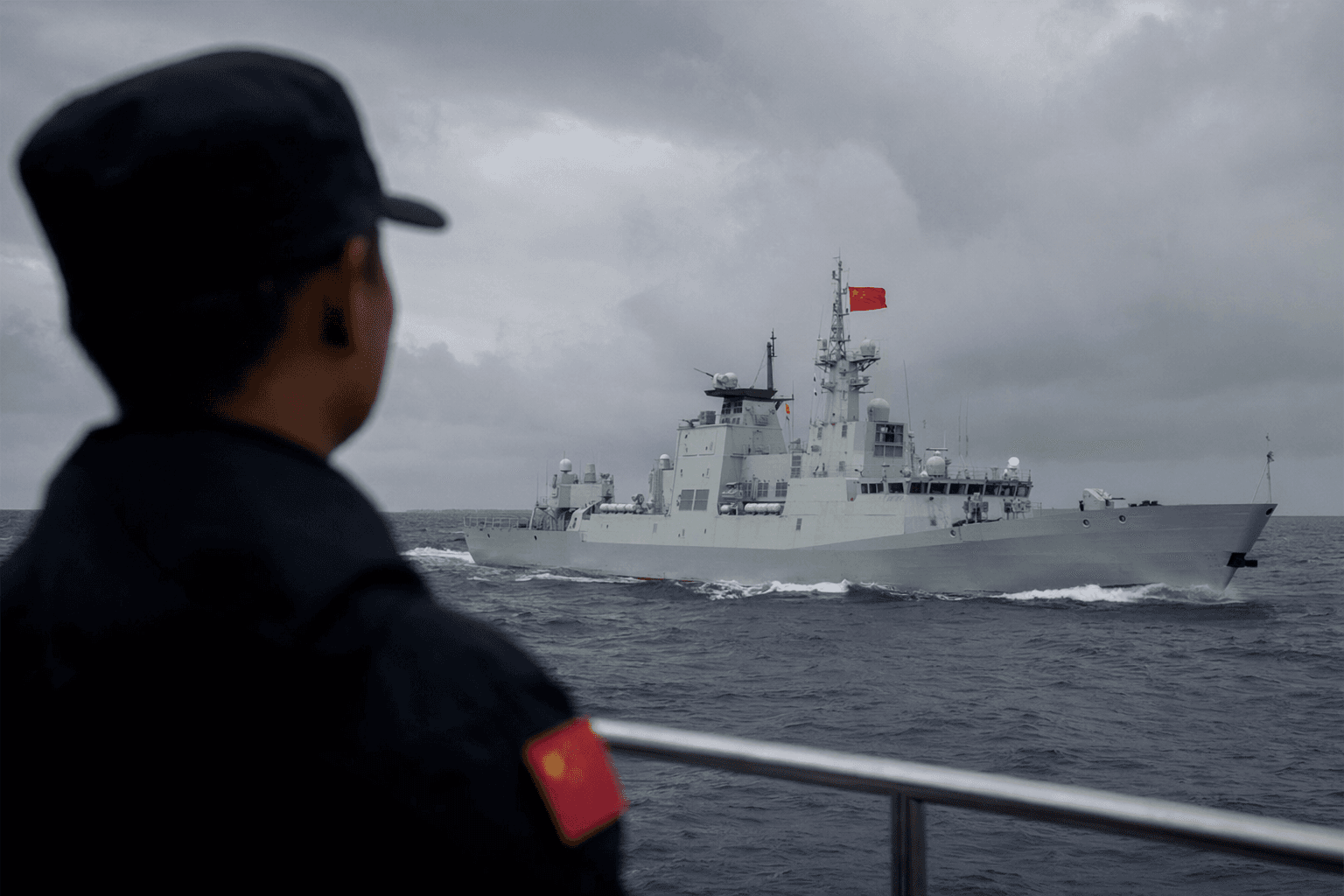
That is a meaningful change in behavior. Instead of relying only on tariffs or export controls, Beijing is creating a broader legal and regulatory system that can reach into supply chains, procurement decisions and corporate planning. It is also signaling to multinational firms that decoupling, or even partial de-risking, can carry costs inside China itself.
The American Chamber of Commerce in China has warned that these rules alarm U.S. businesses, and analysts have cautioned that Washington’s silence could be read as weakness. That is the core deterrence problem: if Beijing can tighten the screws while the U.S. response stays muted, China learns that coercion is cheaper than compromise.
The trade numbers reinforce Beijing’s confidence
The economic backdrop makes this assertiveness easier for Beijing to sustain. China’s exports grew 21.8% year on year in the first two months of 2026, and its January-February trade surplus reached $213.62 billion. At the same time, China’s exports to the United States fell nearly 20% in 2025 and then dropped another 11% year over year in early 2026.
Those numbers point to a country that is preparing for a longer contest. If exports to the U.S. keep falling while overall exports and surpluses remain strong, Beijing can argue that it has room to absorb pressure and redirect trade elsewhere. That does not mean China is immune to pain. It means the Chinese leadership may believe it can outlast a White House that wants visible wins quickly.
For Trump, that creates a sharp political problem. If tariffs and threats do not produce obvious concessions, his base may still see toughness, but allies and businesses may see volatility without leverage. If the White House relaxes pressure too far, Beijing may conclude that the U.S. is more interested in performance than in sustained coercion.
Taiwan and the military dimension of deterrence
The military side of this story is less about a declared battlefield shift than about signaling around Taiwan. Tensions spiked repeatedly over Taiwan in 2025, and that matters because Beijing’s willingness to push in and around the island is one of the clearest tests of American resolve. When China senses that U.S. attention is divided or that economic concerns are taking priority, it has more room to test the boundaries.
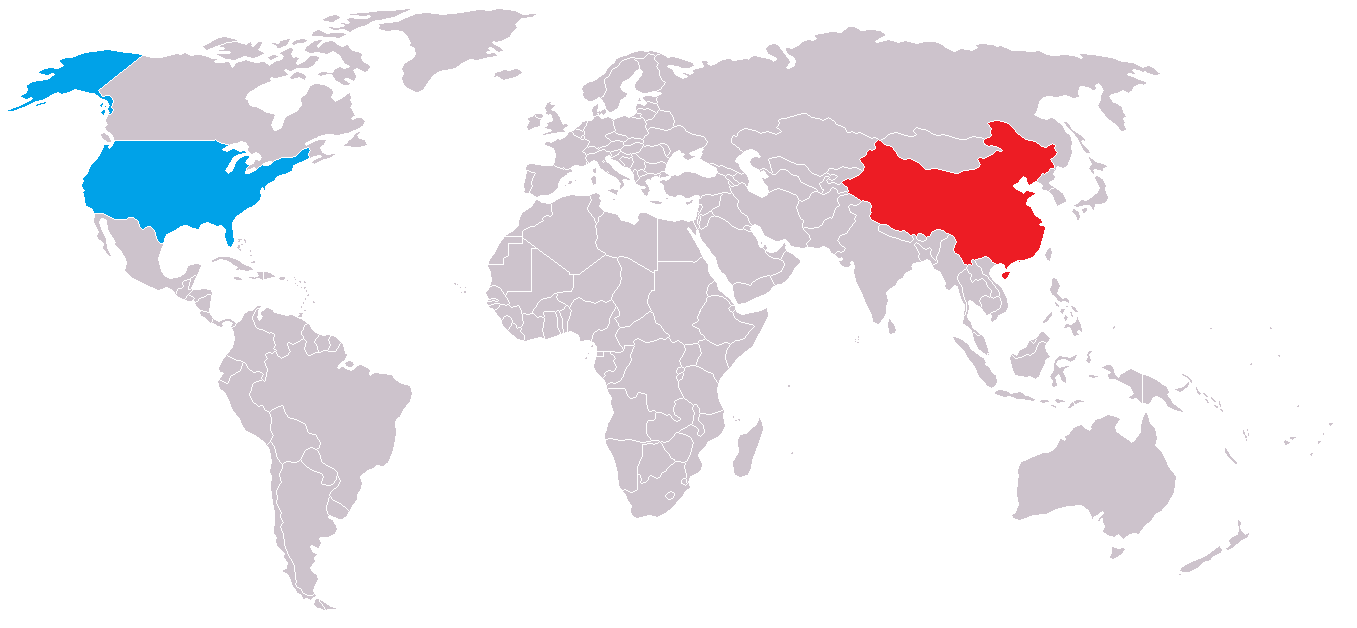
This is why the current phase is so dangerous. The question is not whether either side wants war. It is whether Beijing believes Washington will respond decisively enough to make coercion unprofitable, and whether Washington still has tools that China respects. Trade measures alone are weaker if Beijing can absorb them. Diplomacy alone is weaker if it is not backed by credible consequences. The deterrence test is whether the United States can still make escalation feel costly before China decides to press further.
What Washington can still use as leverage
Washington is not without options, but its leverage is narrower than it was when tariffs first climbed. Trump still has the ability to shape market access, export rules and investment pressure, and the White House can coordinate with the Treasury Department and the Office of the U.S. Trade Representative to tighten the screws if needed. The problem is not the absence of tools. It is whether Beijing believes the tools will be used consistently enough to matter.
That is where the competing narratives around Trump’s strategy come in. Supporters argue that his approach has produced relative strategic calm and better deals. Critics say he has given more than he has gained, especially if Beijing comes to see tariff threats as negotiable theater rather than lasting policy. Brookings’ view splits the difference: the most likely outcome is an extended period of strategic calm without genuine trust, but renewed escalation could still follow if either leader thinks the other is not delivering.
Why the Beijing summit matters now
The scheduled Trump-Xi summit in Beijing on May 14-15, 2026, is loaded with symbolism and risk. It will be Trump’s first visit to China since November 2017, which makes the trip a marker of how much has changed, and how little has been settled. If the meeting produces short-term calm, it may simply extend the temporary logic of the Busan truce. If it fails, the rivalry could harden further before the truce expires in November.
The broader lesson is stark: China is behaving less like a country waiting to be deterred and more like one measuring how much pressure it can impose without triggering a decisive response. Washington still has leverage, but it is no longer automatic. In this phase of the relationship, credibility is the currency that matters most, and both capitals know it.
This article was produced by Prism’s automated news system from verified source data, official records, and press releases, then run through automated quality and moderation checks before publishing. The system is built and supervised by the people who set the standards it runs under. Read our full AI policy.
Did this article answer your question?


