Ariana Grande blasts White House for using her song in immigration post
Ariana Grande told the White House to stop using her music after a TikTok on immigration showed arrests and handcuffing, sharpening a fight over political messaging.
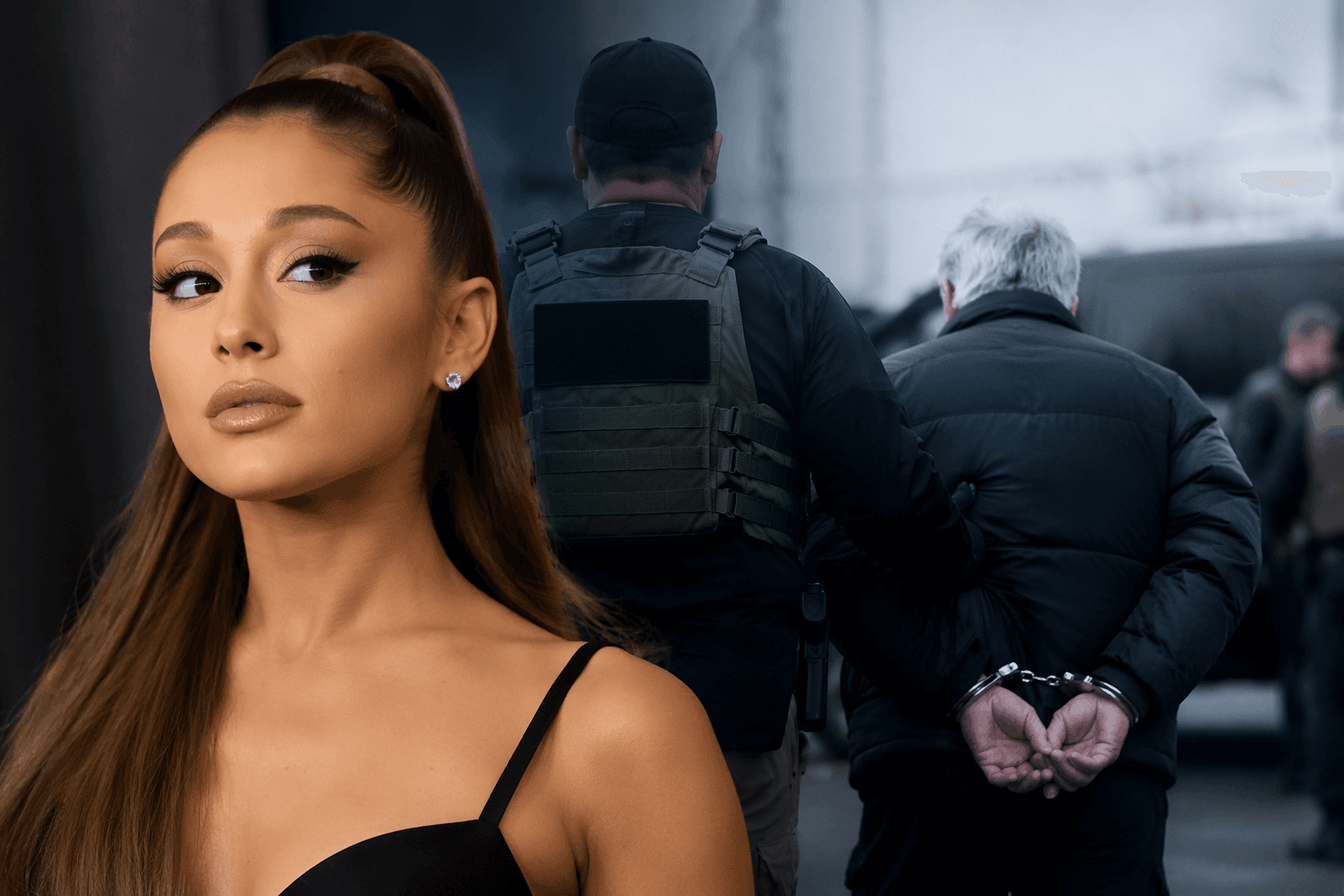
Ariana Grande pushed back hard after the White House used her song in a TikTok post promoting immigration enforcement, turning a social-media clip into a broader argument over power, image and the politics of dehumanization. The pop star objected after the administration posted video of federal agents arresting and handcuffing people and set it to her 2024 song Bye.
Grande’s message was direct. In a comment on the White House video, she wrote, “Please do not ever use my music in relation to this barbaric, inhumane, heinous nonsense.” The White House caption tied the clip to President Donald Trump’s immigration agenda, reading, “Bye-bye President Trump has delivered the most secure border in history.”
The clash showed how aggressively the administration has leaned on short-form video to package hard-line immigration policy for mass consumption. Instead of a policy memo or a formal statement, the White House used a pop song, fast cuts and arrest footage to present enforcement as a punchy, shareable message. For immigrant communities, those images do more than score political points: they can reinforce fear, normalize public humiliation and deepen the sense that enforcement is a performance aimed at deterrence as much as law.
The White House has made border security a central political theme and says its efforts have produced negative net migration in 2025, more than 605,000 deportations and 1.9 million self-deportations since Trump returned to office. Those are administration claims, but they help explain why immigration has become such a contested symbol in Trump’s second term, with messaging calibrated as carefully as policy.
Grande’s objection also underscored the limited control artists often have once a song enters the public arena. Copyright law does not automatically stop political use in every setting, especially when a platform’s rules or licensing arrangements are involved. But musicians can still protest publicly, and their objections can expose how government agencies borrow cultural cachet to soften or dramatize coercive policy.
This is not the first such collision. Other artists, including Sabrina Carpenter and SZA, have also objected to the White House’s use of their music during Trump’s second term. Together, those disputes suggest a broader struggle over cultural legitimacy, with the administration seeking emotional cover for enforcement and performers rejecting the use of their work to legitimize it.
This article was produced by Prism’s automated news system from verified source data, official records, and press releases, then run through automated quality and moderation checks before publishing. The system is built and supervised by the people who set the standards it runs under. Read our full AI policy.
Know something we missed? Have a correction or additional information?
Submit a Tip