Japanese diet lessons offer a path to healthier eating
Japan's eating habits become a lens for a broader Sunday Morning strategy: practical health reporting, nostalgia and civic memory stitched together for older viewers.
Jane Pauley’s Sunday morning lineup uses Japan’s food culture as a springboard into something larger: a reminder that legacy network newsmagazines still compete by being calm, useful, and culturally legible. The mix of health, history, art and memory is designed to keep older viewers engaged while giving the broadcast enough range to feel relevant in a fragmented media landscape.
A health story built on a striking comparison
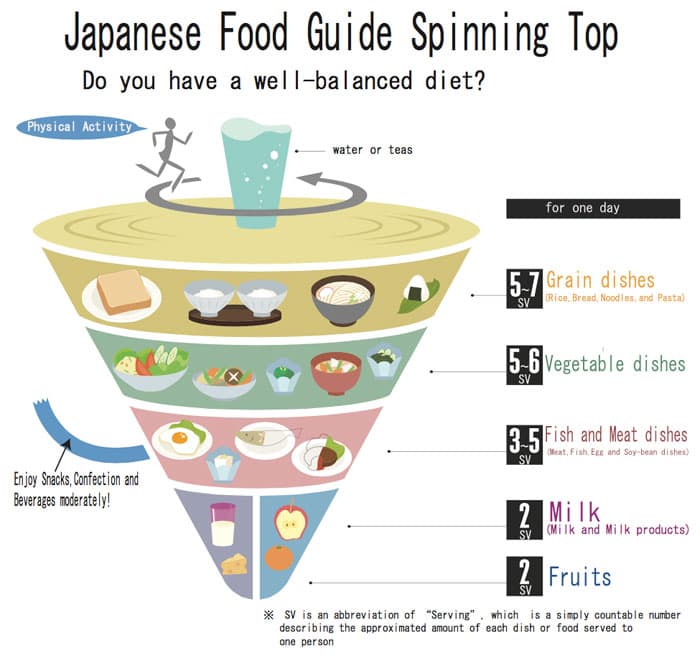
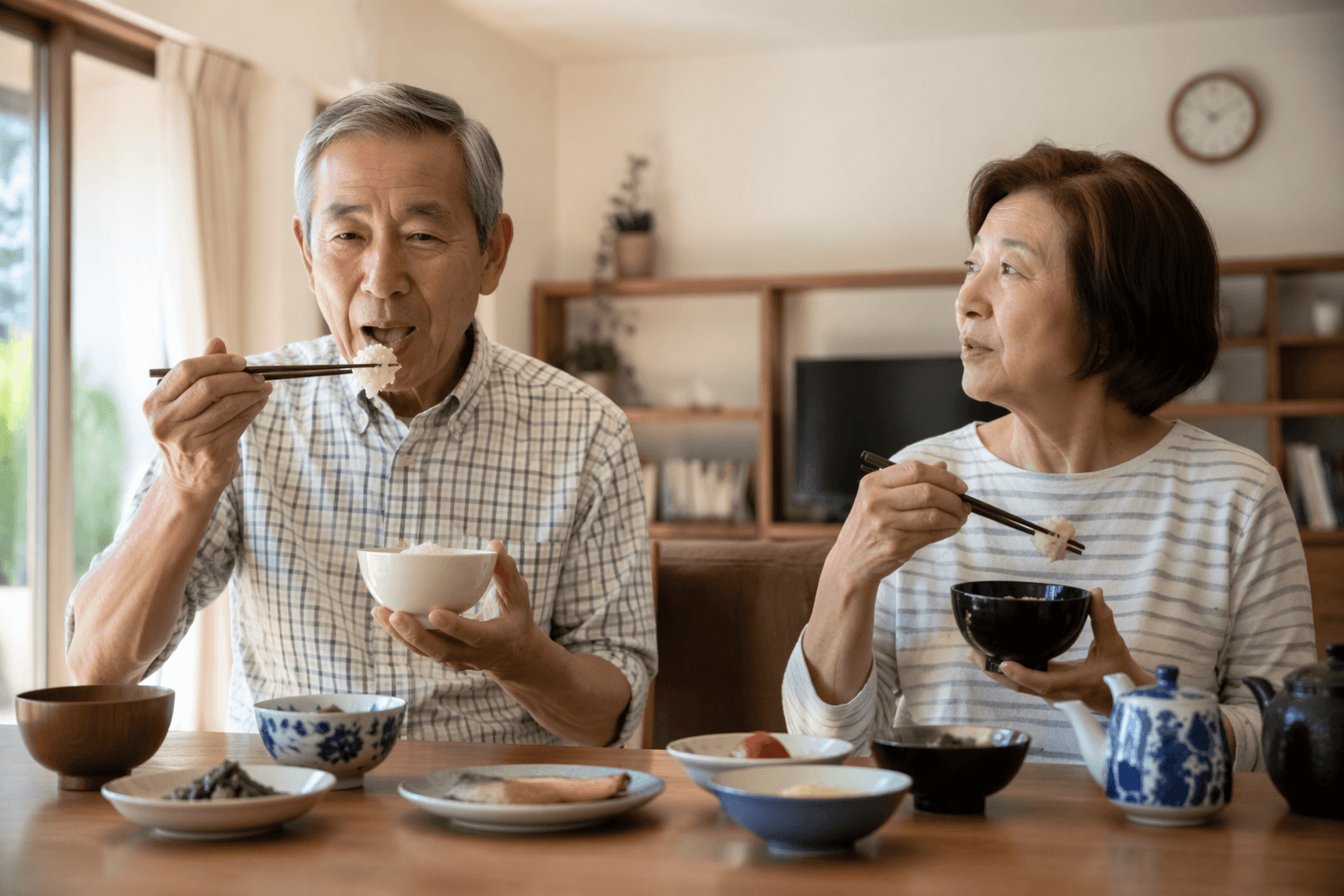
The cover story centers on a number that does a lot of the work here: in the United States, the percentage of obese adults is about ten times what it is in Japan. That gap gives Adam Yamaguchi’s report its urgency, but the piece is not just about contrast for contrast’s sake. It looks at what differentiates the Japanese diet, how one company tracks employee health, and how Japanese schools make it a point to design lunches that teach children how to eat for the long run.
The story also widens beyond individual choice. Tanita’s official mission is to move from “measuring health” to “creating health,” and its health-management offerings include workplace health-check services and related programs for companies. Tanita Health Link says the company has pursued health management since 2009, building know-how through employee-based trials, which gives the segment a corporate and policy dimension as well as a nutritional one.
That matters because Japan’s profile is not simply the story of a national food preference. Independent data still place Japan among the lowest-obesity countries in the developed world, while OECD-linked analyses continue to describe obesity and overweight as major public-health and fiscal issues inside Japan. The lesson is less about a single miracle diet than about systems, including school meals, workplace monitoring, and a culture that treats eating as infrastructure rather than impulse.
The broadcast ties that reporting to Yoshiharu Doi’s book, “Rice, Miso Soup, Pickles: The Japanese Secret to a Long and Happy Life,” which appears in hardcover and eBook formats through Yellow Kite and is available through major booksellers. That bookish tail end matters because it turns the story into a practical guide as well as a television feature, giving viewers a path from curiosity to action.
Why this format still works
The deeper strategy here is editorial. Programs like CBS News Sunday Morning survive by offering a curated pace that feels very different from the churn of cable panels, social feeds and push alerts. Instead of chasing immediacy, the show builds trust through recognizable voices, polished storytelling and subjects that flatter the habits of an older audience without talking down to it.
The June 14 lineup shows how deliberate that mix is. Health reporting sits beside an almanac segment looking back at historical events tied to June 14, then shifts into a future-facing national story, an arts feature, and a profile of a familiar screen face who grew up with the audience. That sequencing helps the broadcast hold attention without depending on breaking news, while still giving the hour a sense of breadth.
It also explains why a Japanese diet story is a smart fit. Food, longevity and family routines are topics with immediate personal value, but they also travel well across generations. A feature like this speaks to viewers who want advice they can actually use, not just commentary about what is wrong with the food system.
Looking backward and forward at the same time
The history segment on America’s Time Capsule extends that same formula. America250 says the official capsule will be buried at Independence National Historical Park in Philadelphia on July 4, 2026, and remain sealed until 2276, turning a bicentennial-era celebration into a message aimed at the quincentennial. It is a quintessential Sunday Morning subject because it links ceremony, national identity and a carefully engineered sense of continuity.
Faith Salie’s report looks at what objects, both high-tech and low-tech, made the cut for posterity, and how the capsule was designed to survive 250 years underground. That is the kind of story a legacy broadcast can still do well: tactile, archival, slightly whimsical, but anchored in real institutions such as America250 and the National Institute of Standards and Technology. The point is not just nostalgia, but stewardship.
Art, sports and the pleasures of craft
The arts feature offers another version of the same programming logic. Lyndon J. Barrois Sr. turns chewing gum wrappers into painstaking soccer art, and Luke Burbank’s segment on “Fútbol Is Life: Animated Sportraits” at the Los Angeles County Museum of Art runs through July 26. The premise is unusual enough to be memorable, but familiar enough, through soccer and the World Cup, to appeal to viewers who like art that connects to recognizable cultural milestones.
That combination of low-cost material and high craft also fits the show’s wider identity. A gum wrapper is ordinary; a museum exhibition is elevated; the bridge between them is patient labor. In a media environment crowded with loud formats, this kind of feature gives Sunday Morning a calmer, more elegant kind of distinction.
Why Bill Mumy closes the loop
The profile of Bill Mumy brings the broadcast back to the audience it knows best. Mumy, now 72, first became known as a child actor in “The Twilight Zone” and later as Will Robinson on “Lost in Space,” and Jim Axelrod’s segment follows the arc into adulthood, where Mumy has worked as an Emmy-nominated songwriter, touring musician and recording artist. That mix of childhood recognition and later reinvention is catnip for viewers who grew up with classic television.
Just as important, the story is framed around how Mumy avoided the darker outcomes that often shadow child stardom. That makes the profile more than nostalgia; it becomes a quiet piece about resilience, career longevity and the possibility of staying grounded inside a volatile industry. For an older audience, that is not just entertaining. It is reassuring.
The bigger programming lesson
Taken together, the lineup shows how a legacy network newsmagazine stays culturally relevant without pretending to be something it is not. It offers practical health guidance, national memory, visual art and a familiar performer profile in a single hour, then extends the package to streaming on the CBS News app at 11:00 a.m. ET after the Sunday 9:00 a.m. ET broadcast. That distribution matters because the show is no longer serving only a linear-TV habit; it is maintaining a ritual across platforms.
The through line is stability. A story about Japanese lunches, a time capsule set for 2276, gum-wrapper soccer portraits and Bill Mumy’s long career all speak to a viewer who values continuity in a media world built on disruption. That is why the format still matters: it offers not just content, but a dependable way of seeing the world.
This article was produced by Prism’s automated news system from verified source data, official records, and press releases, then run through automated quality and moderation checks before publishing. The system is built and supervised by the people who set the standards it runs under. Read our full AI policy.
Know something we missed? Have a correction or additional information?
Submit a Tip