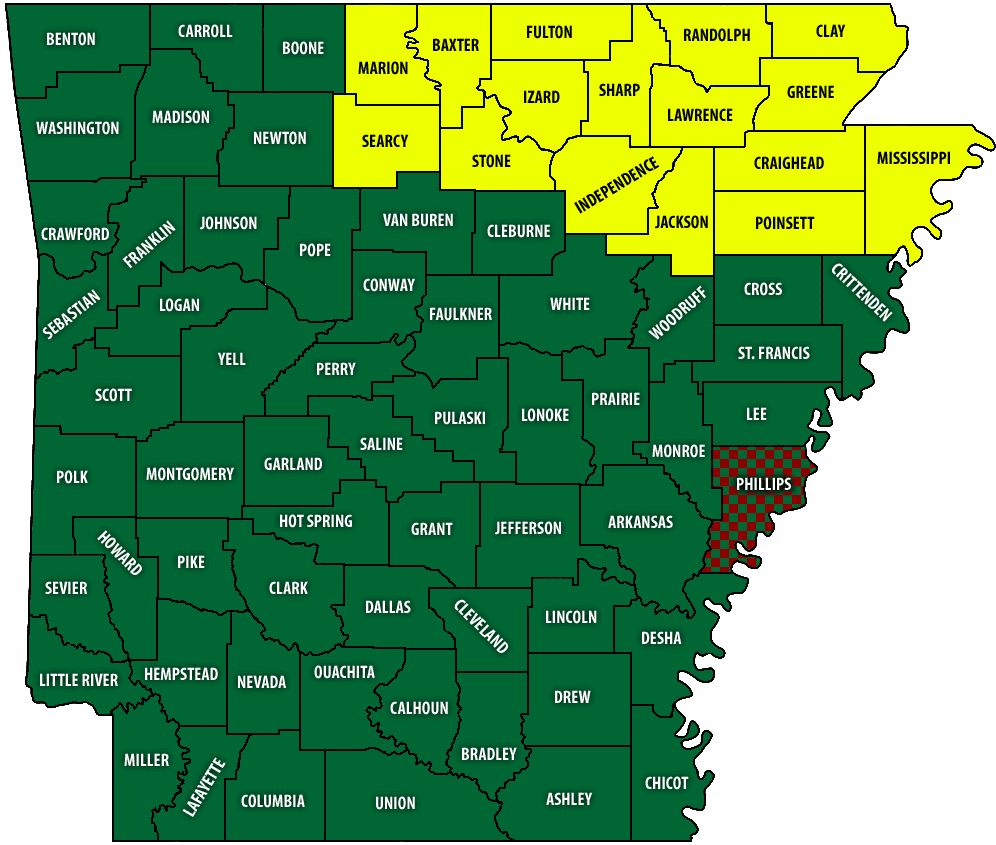
Arkansas adopts trout limits that will affect Phillips County anglers
Arkansas Game and Fish Commission adopted new trout limits effective Feb. 1; local anglers and guides who travel to trout fisheries will need to adjust their practices.
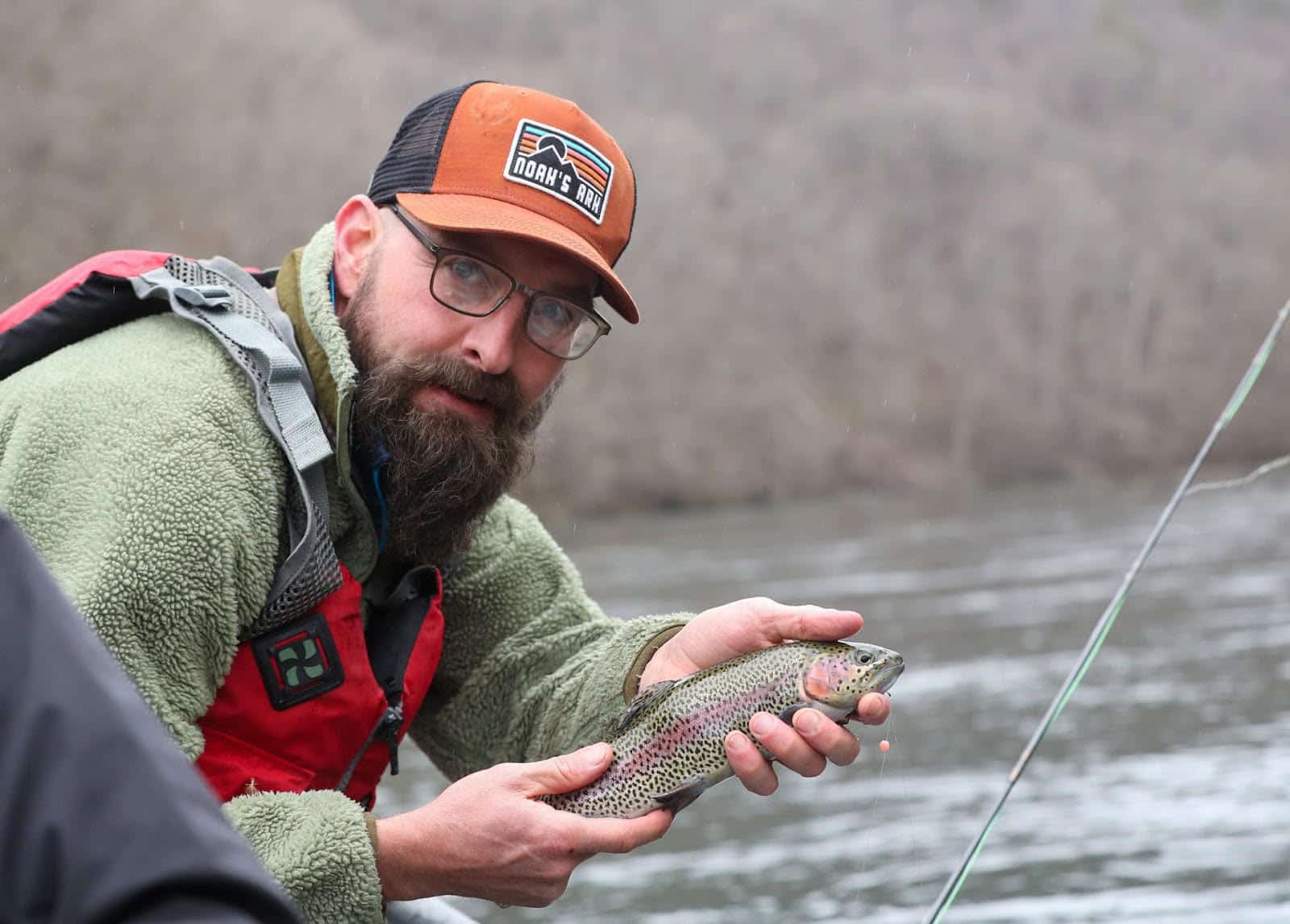
The Arkansas Game and Fish Commission unanimously approved new limits for four of the state's tailwater trout fisheries at its Jan. 17 monthly meeting, changing daily limits and size rules that will take effect Feb. 1 and remain until further notice. The regulations alter what anglers may harvest on sections of the White River, the North Fork River, and the Beaver and Greers Ferry tailwaters.
Under the new rules, anglers on the White River from Bull Shoals Dam to the Norfork Access and on the North Fork River from Norfork Dam to the Norfork Access may keep two rainbow trout under 14 inches; all other trout species in those sections must be released immediately. On the White River from the Norfork Access downstream to the Arkansas Highway 58 bridge the daily limit will be two trout of any species, with only one allowed to exceed 14 inches. On the Beaver and Greers Ferry tailwaters the daily limit is two trout of any species and any trout longer than 14 inches must be released immediately.
Deputy Director Brad Carner led the presentation outlining the scope of the regulation changes and said the effort is part of an ongoing push to simplify and consolidate statewide fishing regulations. Commissioners plan to review additional preliminary proposals at their next meeting; the agency will conduct a public survey to gather comments, and a final vote on those additional changes is expected in April.
For Phillips County anglers, guides and outfitters who travel to Arkansas trout water, the changes carry practical and economic implications. Retention limits will alter daily catch strategy for day trips and guided outings that run to the White, Norfork, Beaver and Greers Ferry tailwaters. Requiring immediate release of larger trout on some tailwaters shifts the focus toward targeting smaller rainbows where retention is allowed, altering how guides plan trips and how customers value trophy opportunities.
The new rules also reflect management priorities that could influence fishing pressure across the state. Simplified, consolidated regulations aim to make rules easier to follow, but they may require anglers who visit multiple fisheries to adjust habits and gear to comply with varying daily limits and size restrictions.
Anglers and guides should watch for the commission's public survey and submit comments while preliminary proposals are under review. The commission's April review and expected final vote will determine whether further regulatory changes become permanent, and those outcomes will shape trout fishing patterns and guide operations across Phillips County in the coming season.
Sources:
Know something we missed? Have a correction or additional information?
Submit a Tip