Armenia hosts rare European summits, signaling shift away from Russia
Yerevan is hosting nearly 50 leaders for back-to-back European summits, putting Armenia at the center of a widening split with Moscow.
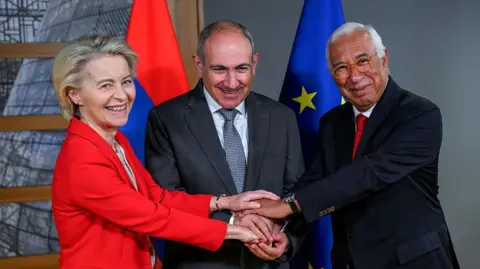
Yerevan is drawing nearly 50 national leaders for back-to-back European summits, putting Armenia at the center of a widening split with Moscow and giving Nikol Pashinyan a chance to show his country as a more active European partner.
The 8th European Political Community summit opened in Armenia’s capital on May 4, 2026, under the theme “Building the Future: Unity and Stability in Europe.” The gathering was expected to include Volodymyr Zelensky and Mark Carney, alongside leaders from across the continent, as Armenia hosted the EPC for the first time after being announced as the venue in May 2025.
Immediately after the EPC meeting, Yerevan was set to host the first-ever EU-Armenia summit on May 4-5, with European Council President António Costa and European Commission President Ursula von der Leyen representing the bloc. The European Commission said the summit marked a significant step forward in ties with Armenia and reaffirmed support for Armenia’s sovereignty, resilience and reform agenda.
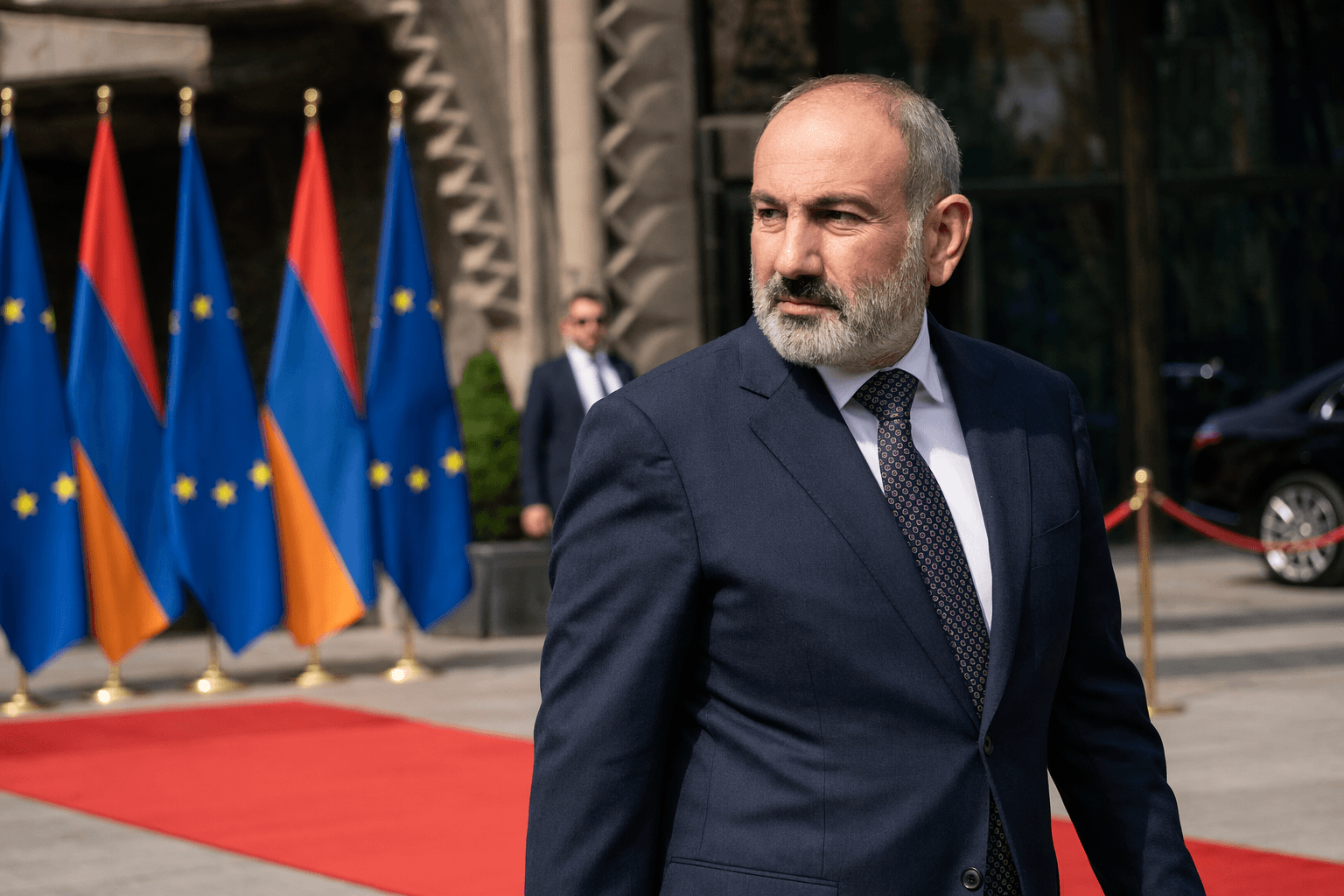
For Armenia, the sequencing matters as much as the attendance list. The rare concentration of European leaders in Yerevan gives Pashinyan’s government a high-profile platform to reinforce its western tilt after months of deepening tensions with Moscow. It also places Armenia’s security recalculation in plain view, with Brussels and other European capitals now competing to shape the South Caucasus as Russia’s influence comes under pressure.
European officials and analysts have framed the summits as more than ceremonial. They see them as a visible signal of support for Armenia’s sovereignty and for the country’s peace process with Azerbaijan, two issues that sit at the center of Yerevan’s current foreign policy calculus. The meetings also allow Armenia to showcase itself not as a passive outpost in Russia’s traditional sphere, but as a state trying to widen its diplomatic options and anchor itself more firmly in Europe’s political architecture.
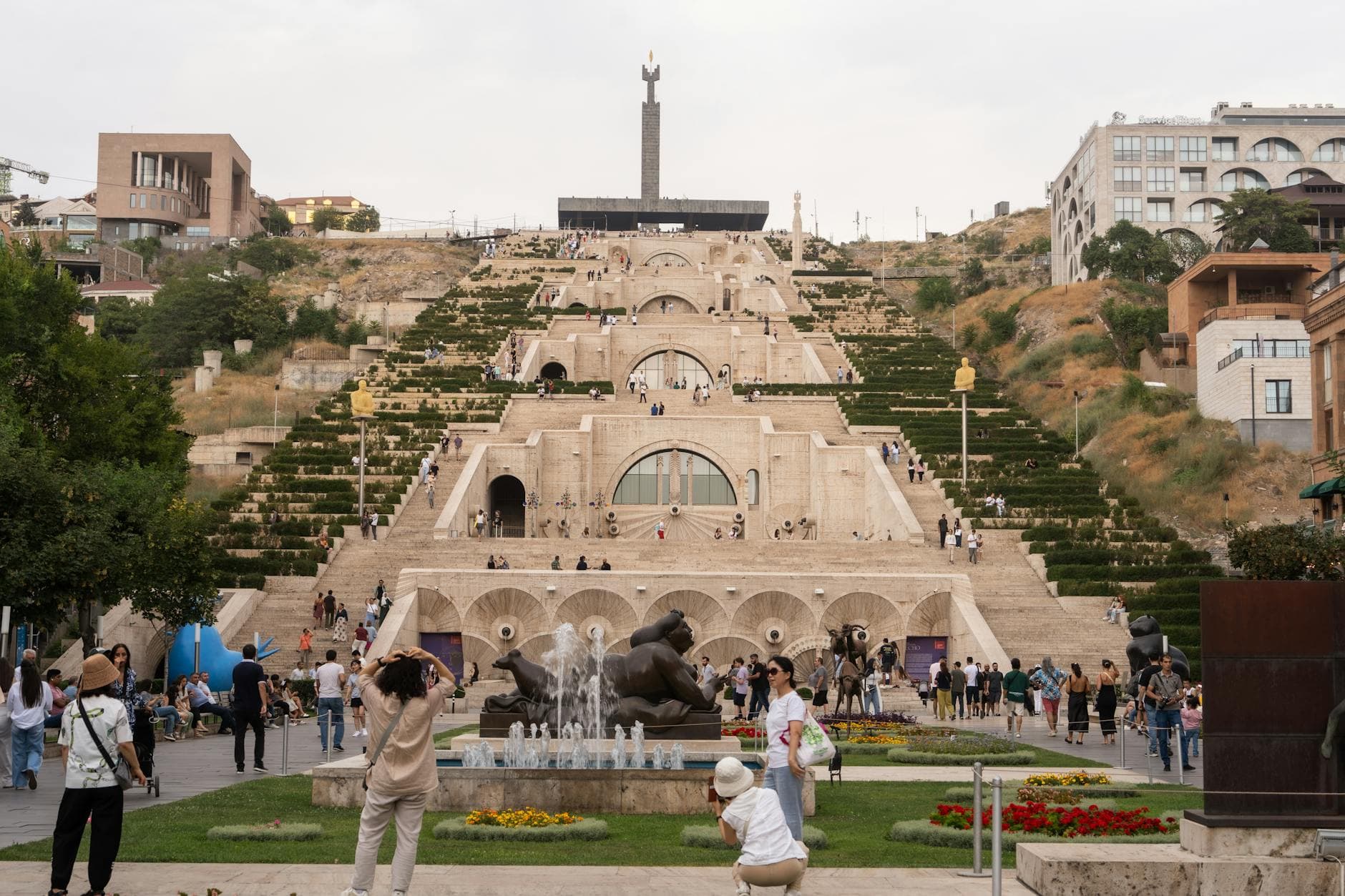
The symbolism is hard to miss. A country long regarded as one of Moscow’s closest regional partners is now hosting the continent’s newest political forum and its first summit with the European Union. In a region where alliances are shifting and every summit carries strategic weight, Yerevan has become the place where Europe is trying to define its future, and where Armenia is signaling that Russia no longer has the field to itself.
This article was produced by Prism’s automated news system from verified source data, official records, and press releases, then run through automated quality and moderation checks before publishing. The system is built and supervised by the people who set the standards it runs under. Read our full AI policy.
Did this article answer your question?