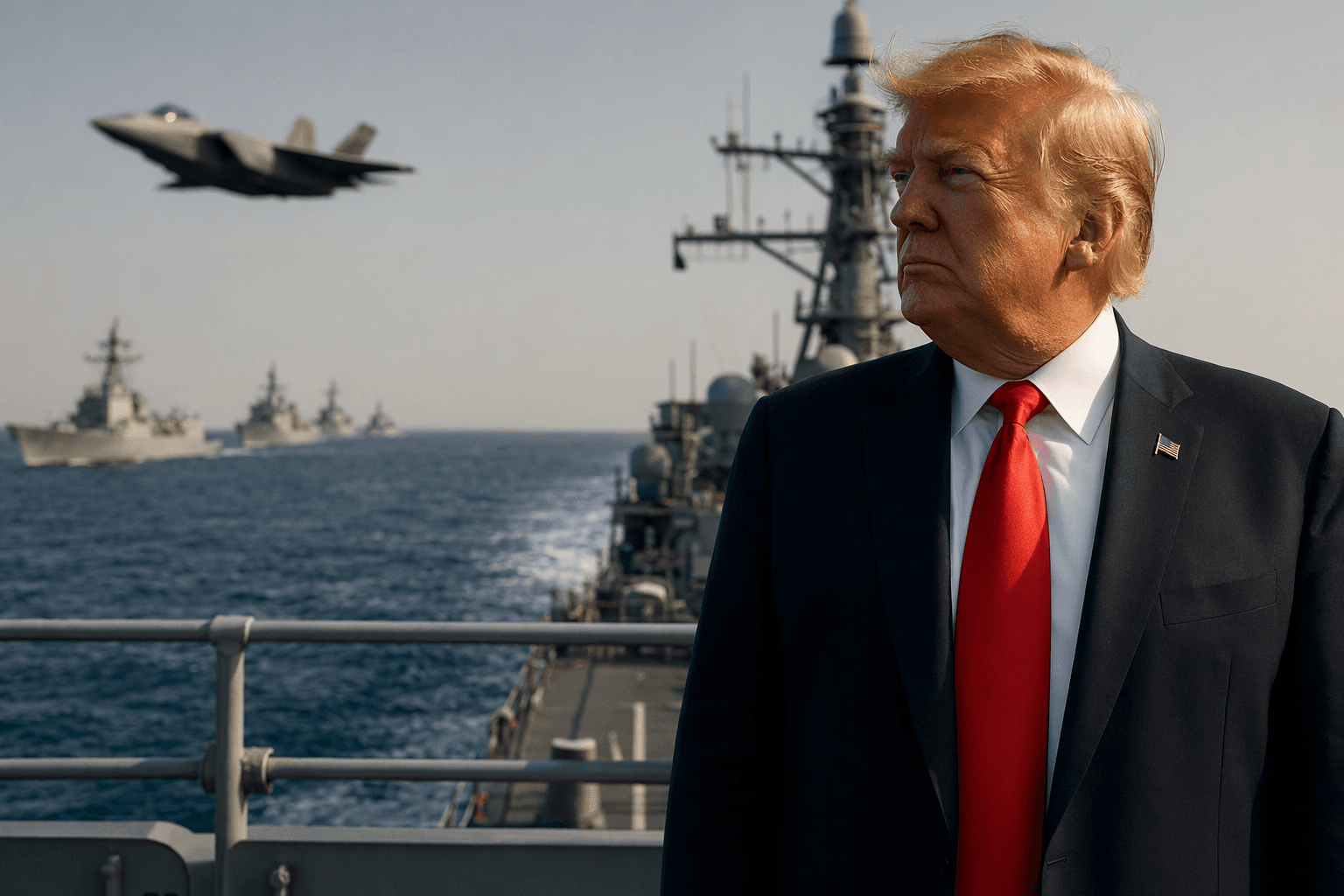
Trump launches major US operation to escort ships through Hormuz
A US force of 15,000 and more than 100 aircraft moved to reopen Hormuz, where attacks have trapped hundreds of ships and kept oil flows on edge.
If the Strait of Hormuz only partially reopened, oil prices would still carry a war premium, shipping insurers would keep treating the route as a battlefield, and global trade would remain exposed to a chokepoint that normally carries about a fifth of the world’s oil and gas.
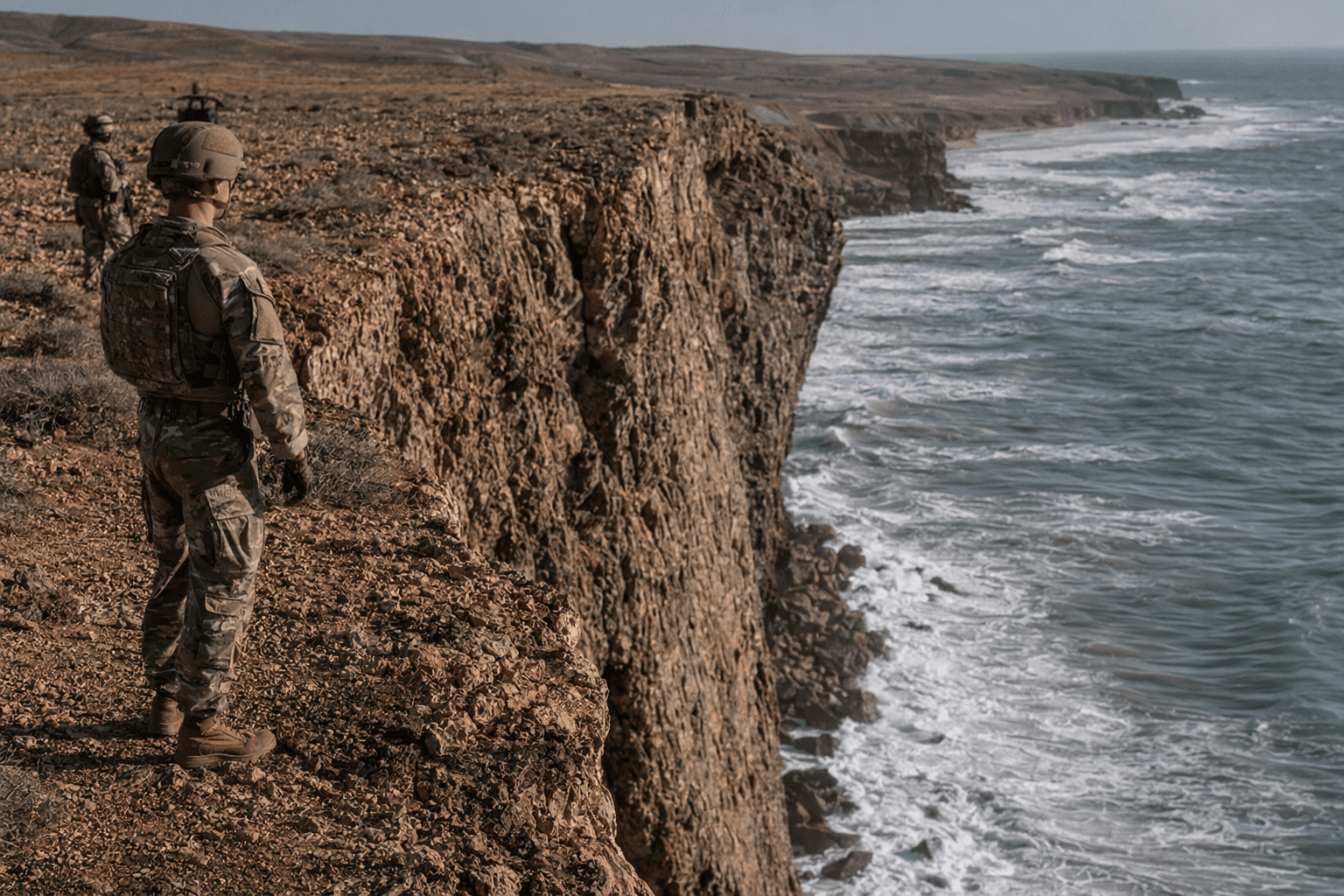
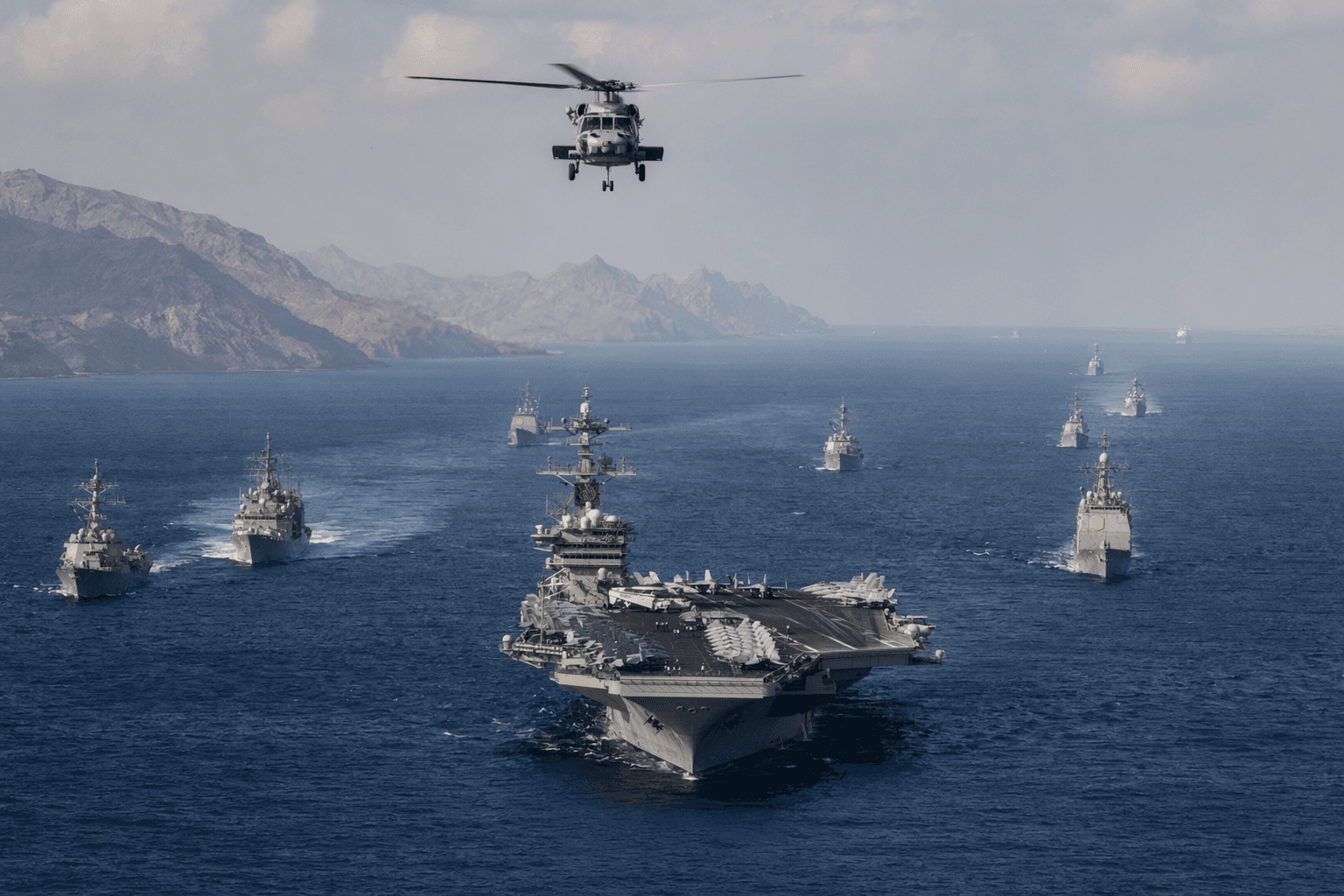
That is the stakes of the operation Donald Trump said would begin Monday morning: a U.S. effort, backed by more than 100 aircraft and 15,000 personnel, to “guide” stranded ships through the strait. In military terms, that means far more than a symbolic patrol. U.S. Central Command said the mission would include guided-missile destroyers, land- and sea-based aircraft, unmanned platforms and service members meant to restore freedom of navigation for commercial shipping. In legal terms, it is a claim that the United States can help secure international sea lanes without crossing into war, while still signaling that any interference will be met forcefully.
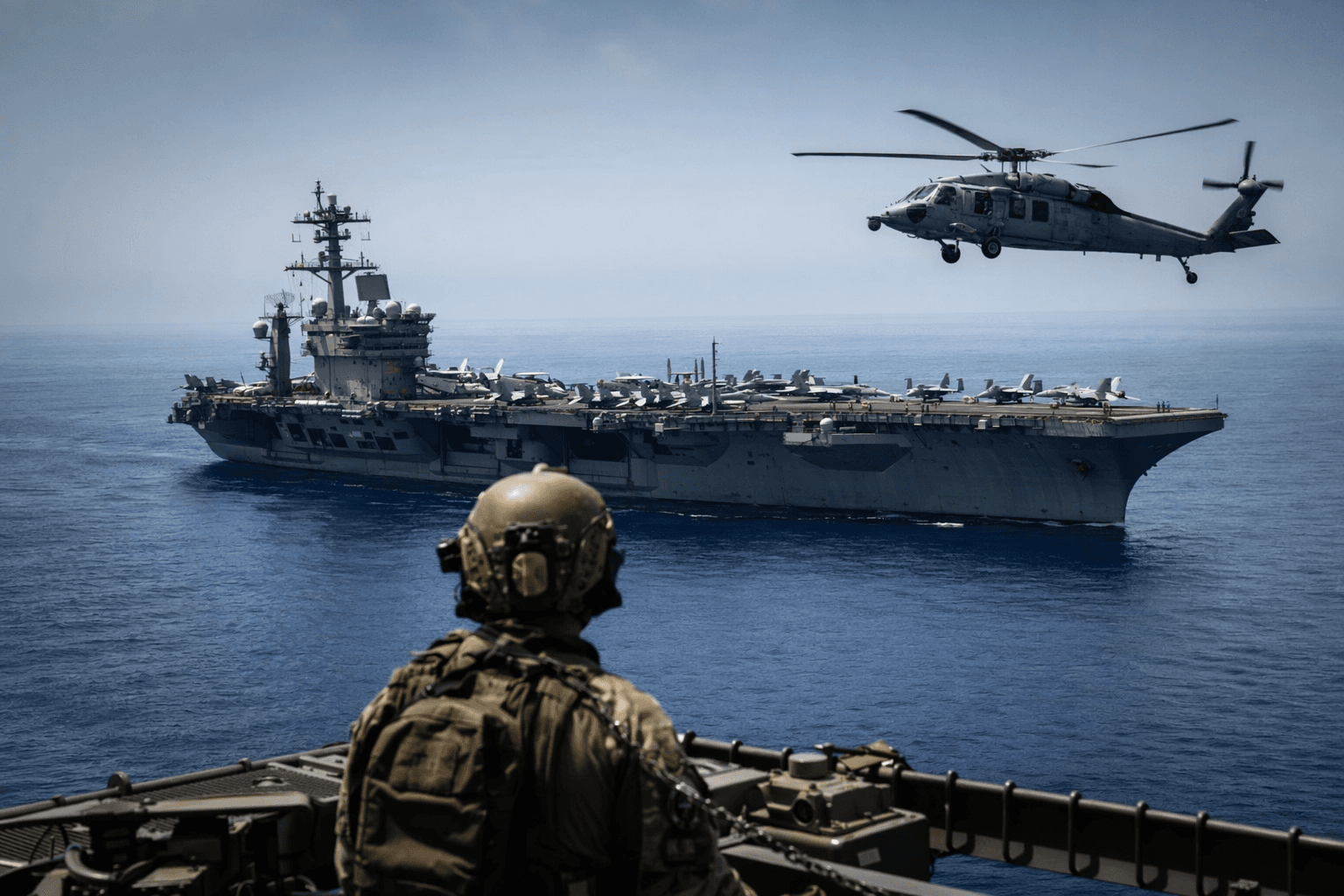
Trump cast the operation as a humanitarian gesture for neutral countries and for ships trapped in the strait, saying nations around the world had asked for American help. But Reuters reported that he gave few details about how the plan would work or whether the U.S. Navy would be involved, and the Pentagon had not yet laid out the specifics. That ambiguity matters. An escort mission through Hormuz would require clear rules on convoy corridors, radio contact, defensive cover and what happens if Iranian forces shadow, harass or fire on the ships.
The move came as the strait remained largely impassable after the war with Iran began, leaving hundreds of vessels and about 20,000 seafarers unable to transit. The International Maritime Organization said it had confirmed 21 attacks on commercial ships since Feb. 28, with 10 seafarer deaths and several injuries, and warned that fragmented responses were no longer sufficient. Any partial reopening would ease immediate pressure on tankers, but it would not erase the fear that another strike could close the route again within hours.
That fear sharpened on Monday when UK Maritime Trade Operations said a tanker had been hit by unknown projectiles about 78 nautical miles north of Fujairah in the United Arab Emirates, with all crew reported safe. Iran quickly denounced the U.S. plan as a ceasefire violation. The combination of an armed U.S. escort, an unresolved attack pattern and a channel that moves so much of the world’s energy makes this more than a shipping operation. It is a test of whether Washington can project power through one of the most dangerous narrow passages on earth without triggering the wider conflict it says it wants to prevent.
Know something we missed? Have a correction or additional information?
Submit a Tip