Trump launches Project Freedom to escort ships through Strait of Hormuz
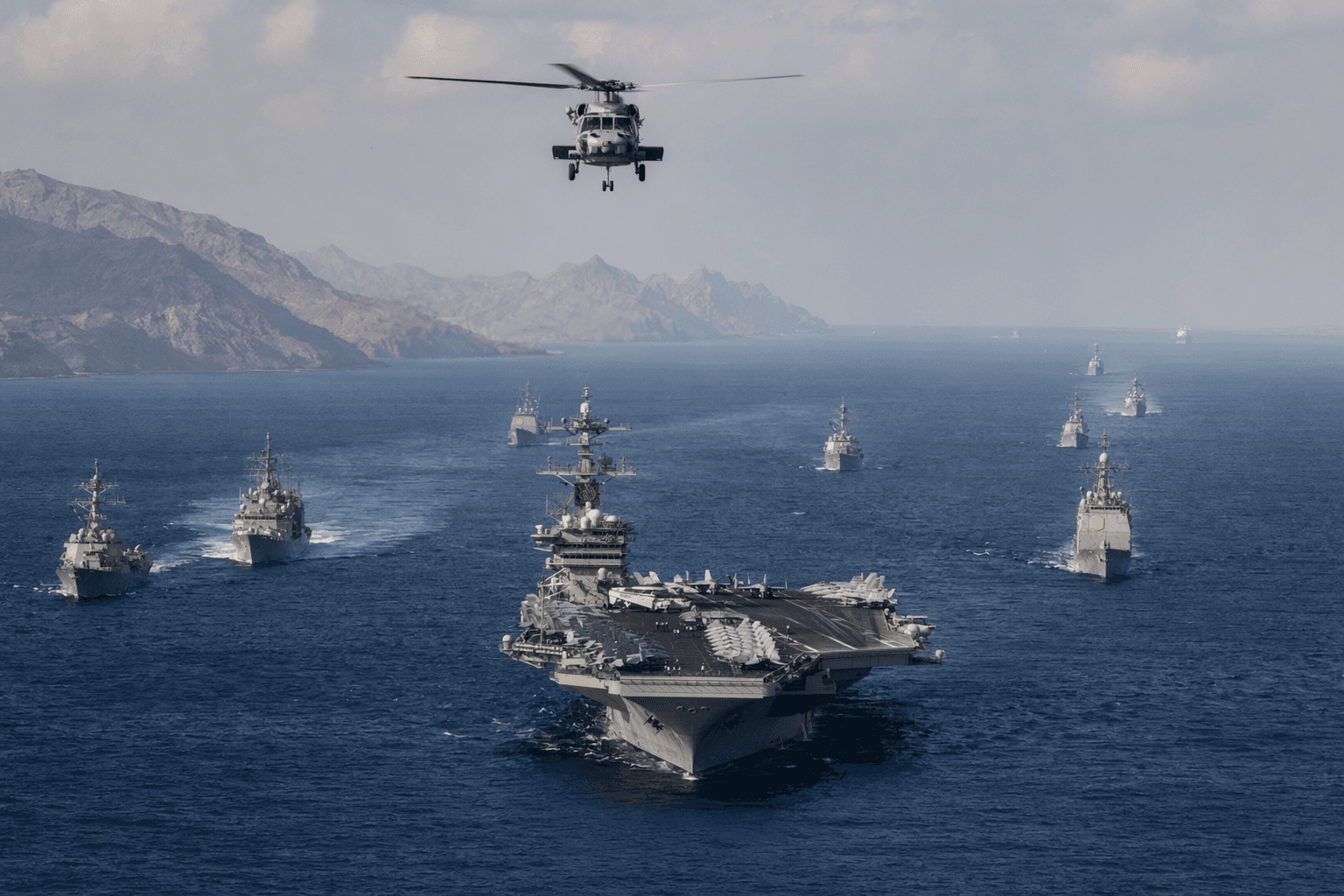
Trump’s Project Freedom sent U.S. naval and air power toward the Strait of Hormuz, where a quarter of seaborne oil trade moves and any clash could jolt fuel prices worldwide.
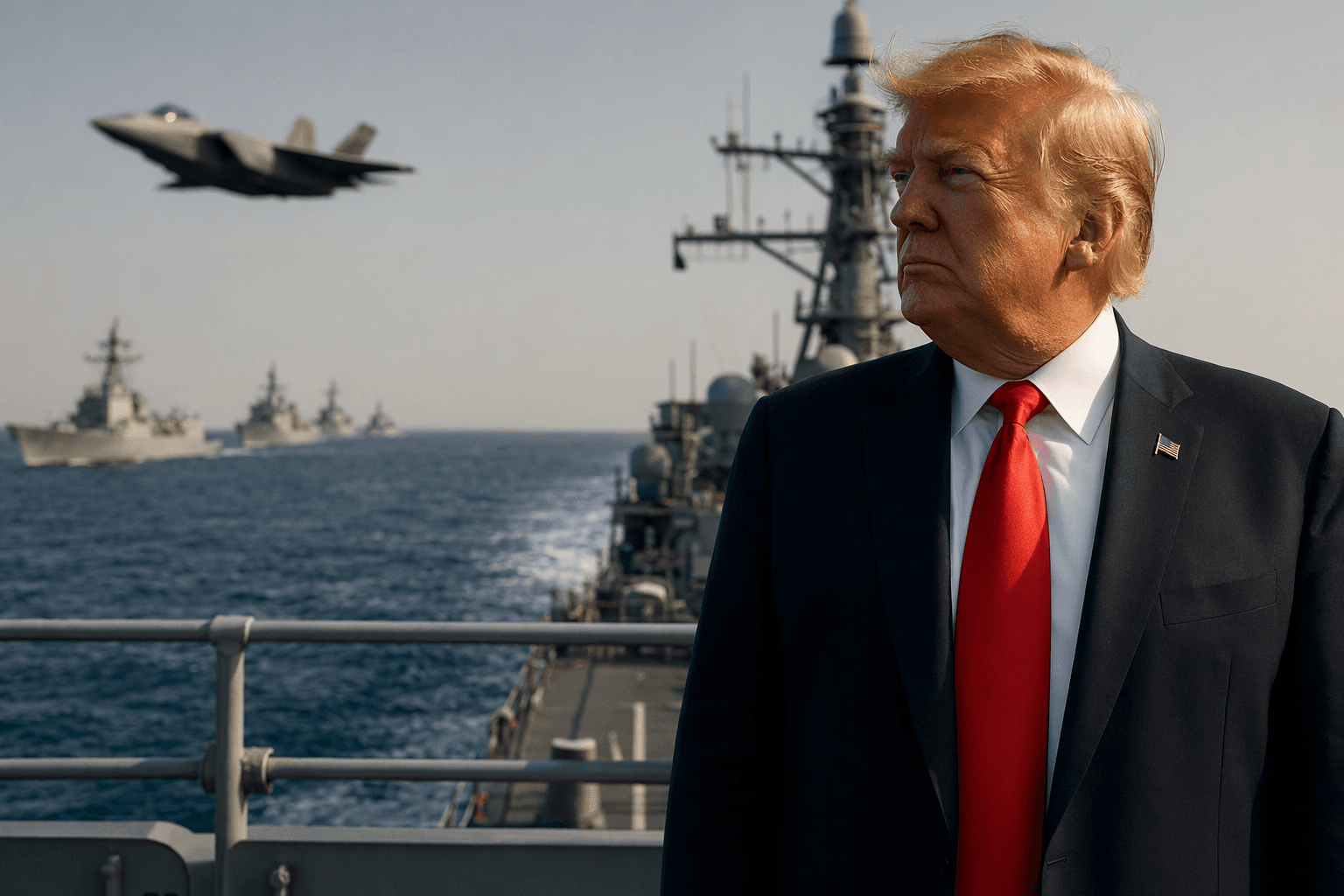
A U.S. plan to push military power into the Strait of Hormuz raised the risk of a direct confrontation with Iran just as energy markets were already watching one of the world’s most sensitive chokepoints. The operation, called Project Freedom by Donald Trump, was set to begin Monday, May 4, with the stated goal of restoring freedom of navigation for commercial shipping moving through the narrow waterway.
U.S. Central Command said the effort would include guided-missile destroyers, more than 100 land- and sea-based aircraft, multi-domain unmanned platforms and 15,000 service members. CENTCOM said the Strait of Hormuz carries about a quarter of the world’s oil trade at sea, along with large volumes of fuel and fertilizer cargoes, making even a temporary shutdown or prolonged disruption a global economic problem. For consumers, shippers and U.S. allies, that means higher transport costs, tighter supplies and more volatility in energy and food-linked markets.
Trump described the mission as a humanitarian gesture for neutral countries and warned Iran that interference would be met with force. He offered few details about how the operation would work and did not clearly say whether U.S. warships would physically escort commercial vessels, leaving open the question of how close American forces would sail to Iranian patrols, fast boats or other units in the area. Reuters and AP reported that countries from around the world had asked Washington for help.
The White House and CENTCOM also framed the move as part of a broader maritime-security campaign. Last week, CENTCOM said the State Department had launched a new Maritime Freedom Construct with international partners to improve coordination and information-sharing in and around the strait. The earlier Operation Sentinel, launched in 2019, was built to promote maritime stability and safe passage across the Arabian Gulf, Strait of Hormuz, Bab el-Mandeb and Gulf of Oman after years of U.S. warnings that Iran had harassed, attacked or interfered with merchant vessels.
The latest escalation also landed inside a fragile diplomatic track. Trump said he was reviewing a new Iranian 14-point peace proposal and was skeptical it would be acceptable. Iranian state-linked media said the proposal would reopen shipping in the Strait of Hormuz and end the U.S. blockade while leaving nuclear talks for later. Ebrahim Azizi, an Iranian parliamentary security figure, warned that any American interference in the new maritime regime would be treated as a ceasefire violation.
The immediate trigger appeared to be attacks and instability around the waterway, including reports of stranded commercial shipping and a cargo ship near the strait that reported an attack by multiple small craft. With the United States trying to reopen a critical global trade route and Iran signaling resistance, the margin for miscalculation in the Strait of Hormuz remains dangerously thin.
Know something we missed? Have a correction or additional information?
Submit a Tip