Army prepares to execute four military death row inmates if ordered
The Army has mapped a 150-day path to execute four condemned soldiers, a move that could end 65 years without a military execution if the president approves it.
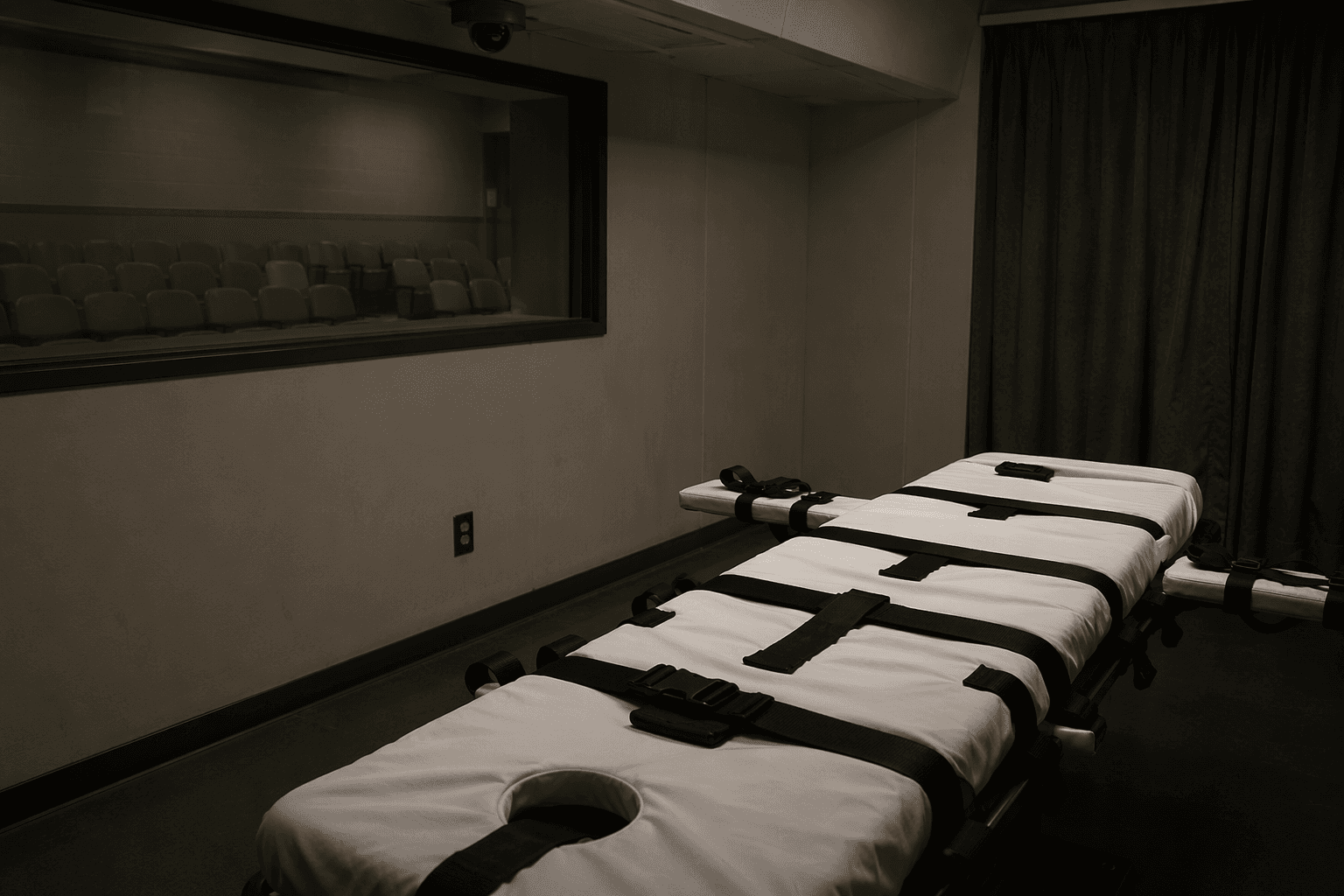
The Army has laid out how it would carry out the executions of its four death-row inmates if the president orders it to do so, a plan that would take military justice into territory it has not entered since 1961. The internal plan, called Operation Resolute Justice and issued in February, calls for moving condemned prisoners from the U.S. Disciplinary Barracks at Fort Leavenworth, Kansas, to the federal execution facility in Terre Haute, Indiana, where civilian federal executions have been carried out since 2001.
That preparation matters because a military death sentence cannot be carried out until the president approves it under Article 71 of the Uniform Code of Military Justice. Army spokesperson Cynthia Smith said the service has run execution drills for 20 years, and the internal plan sets a deadline of no later than 150 days from presidential approval for the Army to complete the steps needed to proceed, including witness arrangements and media procedures.
The political ground has shifted as well. President Donald Trump’s January 20, 2025 executive order restored the death penalty as a priority of his administration, and the Justice Department said in April that it was readopting its lethal injection protocol and expanding it to include additional methods such as firing squad. That broader federal push has brought capital punishment back to the center of national policy, even as the military’s system remains far more rarely used.
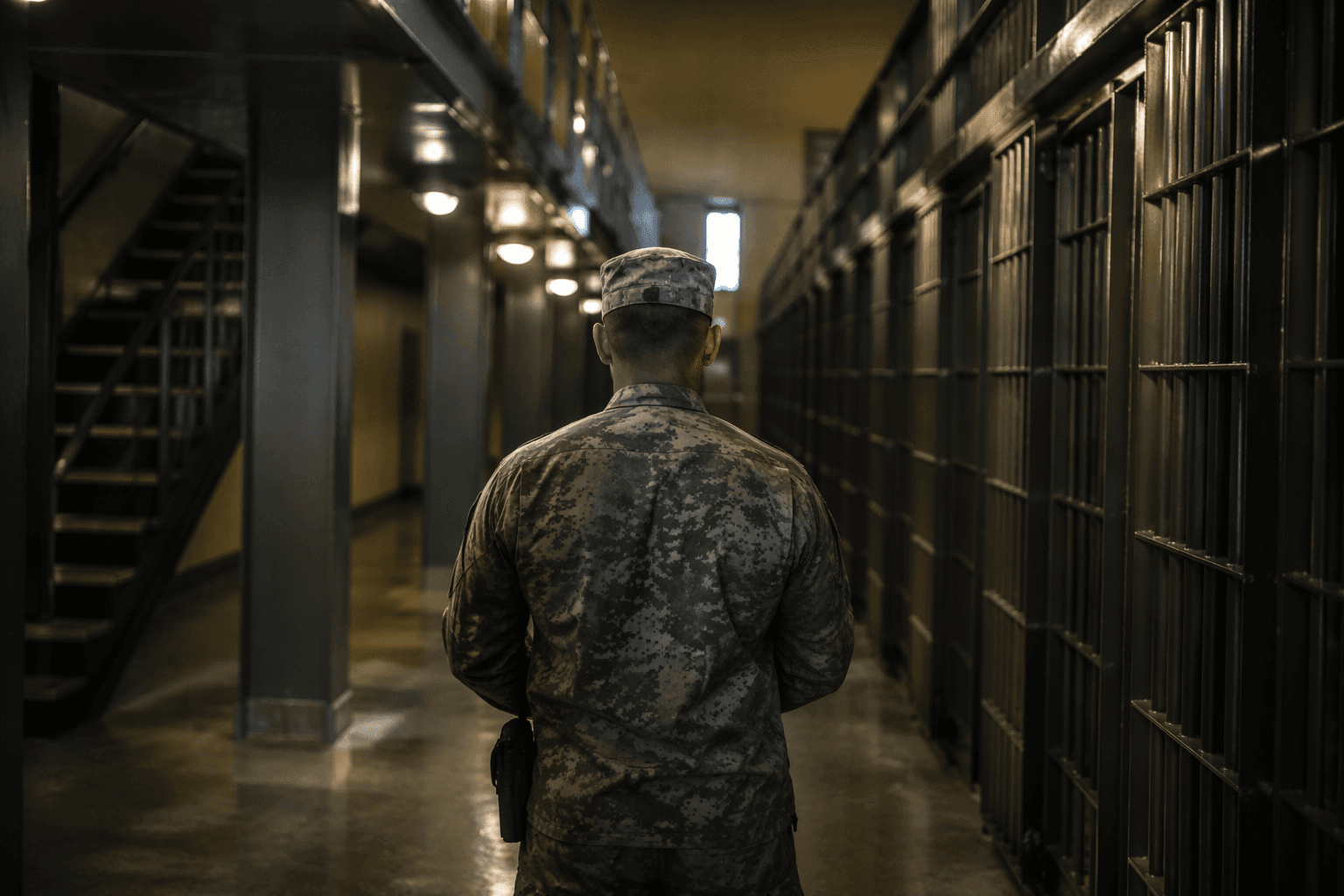
The military death penalty also works differently from civilian cases. Service members face a separate system of laws, courts and procedures, and military death row remains a small population at Fort Leavenworth. The four former soldiers there are Timothy Hennis, Nidal Hasan, Ronald Gray and Hasan Akbar. Gray received presidential approval from George W. Bush in 2008 after his conviction and appeals were completed, while the other three have not received such approval. Hasan, a former Army psychiatrist, was convicted in the 2009 Fort Hood shooting that killed 13 people and wounded dozens, while Gray was convicted of two murders, an attempted murder and three rapes.
The Army’s readiness plan turns a dormant punishment into an operational question, and it does so at a moment when federal capital punishment is being actively revived. If the president signs, the logistics are already on paper.
This article was produced by Prism’s automated news system from verified source data, official records, and press releases, then run through automated quality and moderation checks before publishing. The system is built and supervised by the people who set the standards it runs under. Read our full AI policy.
Know something we missed? Have a correction or additional information?
Submit a Tip