Army spouse freed after month in ICE custody, Duckworth presses FAA on staffing
An Army spouse spent a month in ICE custody before her release, while Tammy Duckworth warned the FAA that airline staffing cuts could weaken evacuation safety.
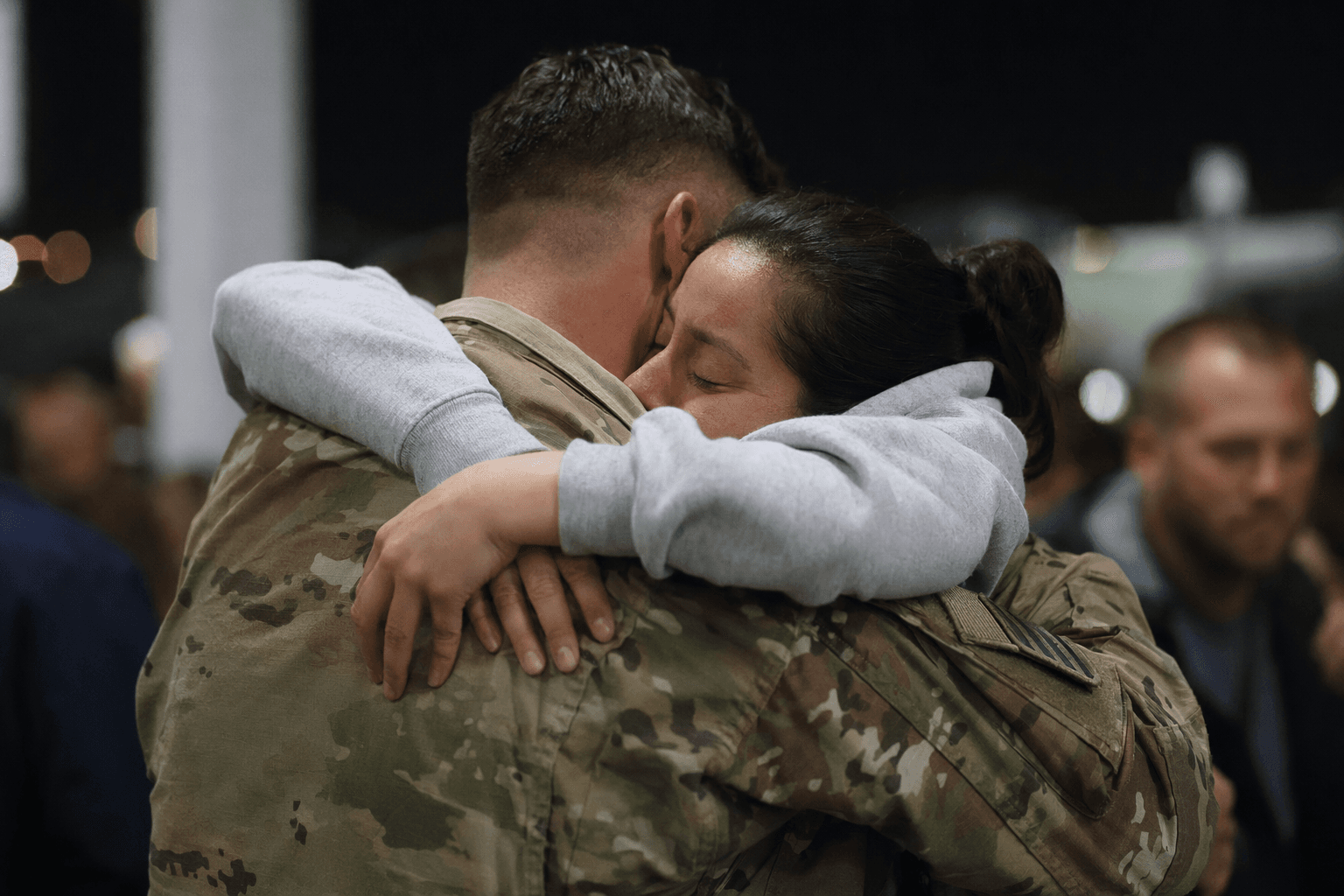
A military family spent a month inside the machinery of immigration enforcement before Deisy Rivera Ortega, the wife of a U.S. Army soldier, was released from ICE custody on May 15, 2026. Her case put sharp attention on how much discretion immigration officials have when a service member’s spouse is caught in a deportation case.
Rivera Ortega, an El Salvador native, was detained on April 14 during an immigration appointment in El Paso, Texas. After about a month in custody, ICE released her on May 15. She was later fitted with a GPS tracking device and required to check in with ICE, a reminder that release does not end the government’s control over a case.
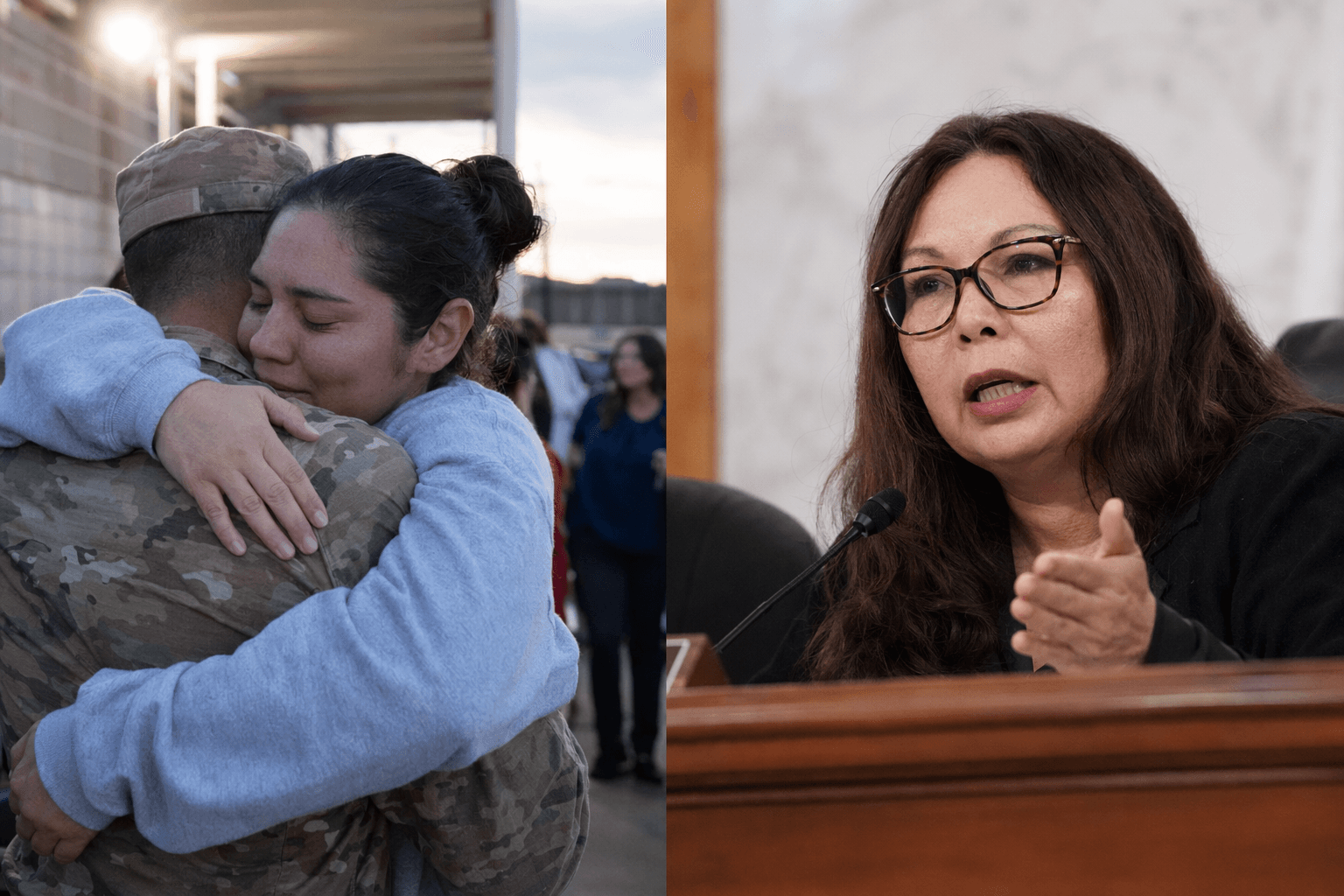
Her husband, Sgt. 1st Class Jose Serrano, said he has served in the U.S. Army for 27 years and completed three deployments to Afghanistan. Serrano and Rivera Ortega married in 2022. He said she had lived in the United States since 2016 and had been working under a permit tied to legal protection she received in 2019 under the United Nations Convention Against Torture.
The Department of Homeland Security said Rivera Ortega had been ordered deported on Dec. 12, 2019 after entering the United States illegally. Serrano and his attorney argued that she had a pending Parole in Place application, a protection intended to shield military spouses and parents from deportation. At one point, ICE said she might be released; later, the agency said she would instead be deported to Mexico, a third country where she has no ties. The reversal underscored how quickly the outcome of an immigration case can change, even for the spouse of a soldier with nearly three decades in uniform.
The same day, Sen. Tammy Duckworth of Illinois and Sen. Tammy Baldwin of Wisconsin pressed the Federal Aviation Administration to update them on the EVAC Act and on a required study of how lower flight attendant staffing could affect evacuations. In a letter to FAA Administrator Bryan Bedford, the senators said the study, required by the FAA reauthorization law, was due by May 16, 2025 and remains unfinished.
Duckworth and Baldwin pointed to staffing reductions at Delta Air Lines, United Airlines and American Airlines on some dual-aisle aircraft. Their concern is that larger widebody jets, which can carry more than 200 passengers, may be harder to evacuate if fewer certified flight attendants are available at floor-level exits. Duckworth’s office said that could strain the FAA’s 90-second evacuation standard, especially when one attendant must cover doors spaced far apart.
This article was produced by Prism’s automated news system from verified source data, official records, and press releases, then run through automated quality and moderation checks before publishing. The system is built and supervised by the people who set the standards it runs under. Read our full AI policy.
Did this article answer your question?