U.S. charges Iran-linked operatives in plots to kill critics
U.S. officials say an Iran-linked network used New York associates, encrypted apps and undercover meetings to target critics, officials and Donald J. Trump.

Federal prosecutors have laid out a widening portrait of Iran-linked plotting that reached into New York City, where authorities say an alleged regime asset hired local associates to follow and kill a U.S. citizen of Iranian origin who had openly criticized Tehran. The Justice Department said Farhad Shakeri remained at large and was believed to be in Iran, while Carlisle Rivera and Jonathan Loadholt were arrested in Brooklyn and Staten Island and held pending trial.
The Nov. 7, 2024 case went beyond a single alleged assassination scheme. Prosecutors said it also connected to plots targeting then-president-elect Donald J. Trump and an American journalist who had criticized the Iranian government. Taken together, the allegations underscored a homeland security vulnerability that has worried federal investigators for years: foreign-directed violence carried out through criminal proxies, local intermediaries and covert communication.
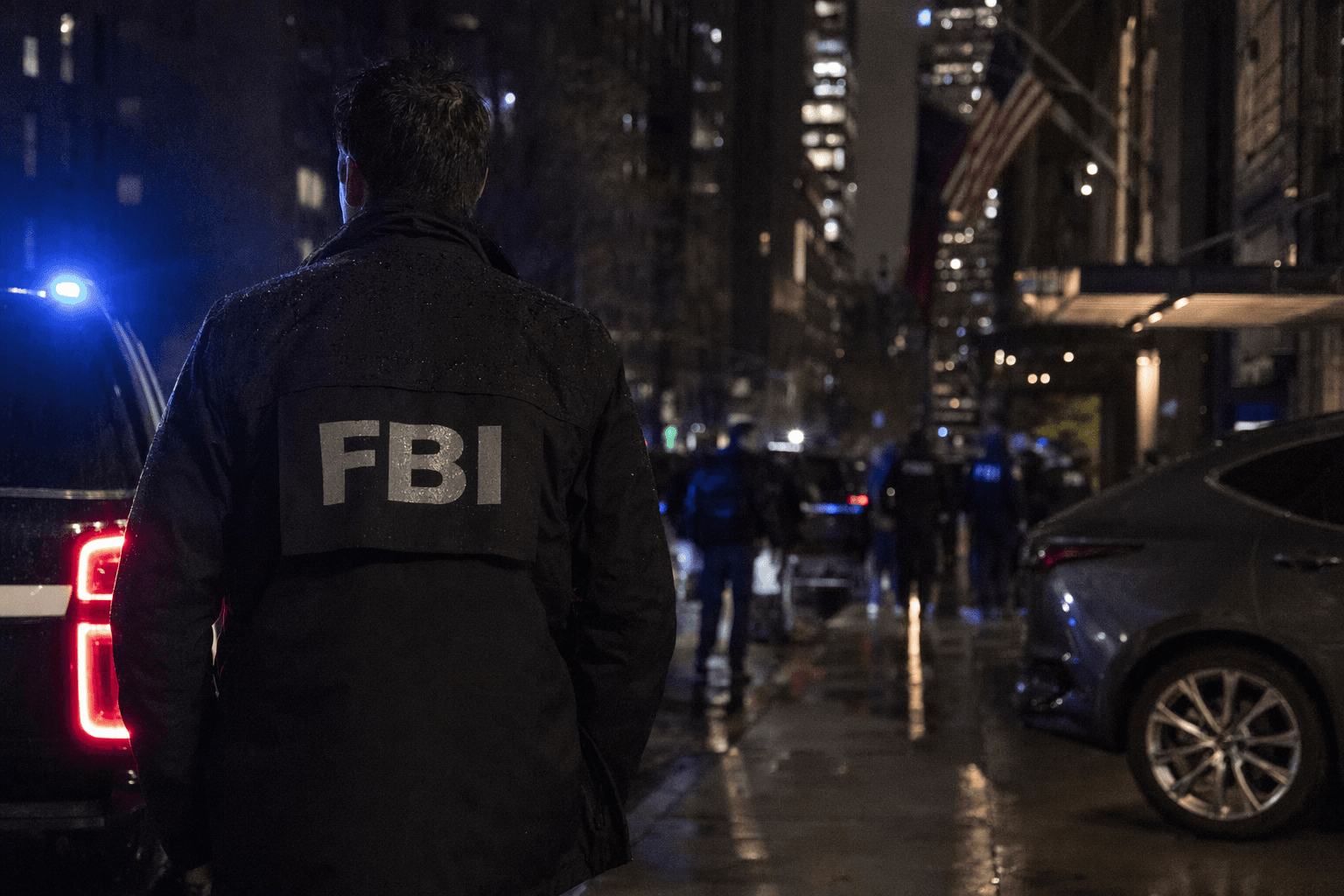
Authorities have said the Shakeri investigation fit a broader pattern in which Tehran, through the Islamic Revolutionary Guard Corps, turns to cutouts and deniable operatives to reach enemies abroad. Justice Department officials have described the IRGC as Iran’s global terrorist force in these cases, a label reflecting the way U.S. investigators say the group blends state power, espionage and criminal tactics to pressure dissidents and former officials far from the Middle East.
That same threat picture surfaced again in a separate terrorism case. On March 6, 2026, a federal jury convicted Asif Merchant of murder for hire and attempting to commit an act of terrorism transcending national boundaries. Prosecutors said Merchant arrived in the United States in April 2024, met with undercover law enforcement officers posing as hitmen in June 2024, and was arrested before he could leave the country in July 2024. Justice Department officials said Merchant admitted at trial that the IRGC sent him to arrange political assassinations.
Another case tied to the same machinery involved Shahram Poursafi, whom the FBI says was a member of the Islamic Revolutionary Guard Corps and was charged in an alleged murder-for-hire plot against a former high-ranking U.S. government official. Investigators said Poursafi used encrypted, internet-based messaging apps from October 2021 to April 2022 to try to hire people in the United States for $300,000. The State Department’s Rewards for Justice program is offering up to $20 million for information leading to his arrest or conviction.
For federal counterterrorism and domestic threat teams, the cases are a warning that the line between foreign adversary operations and local criminal activity has grown thinner. Detecting the plots depended on surveillance, encrypted-message tracing and undercover work before a target was harmed, showing how prevention now requires law enforcement to track not only suspects abroad but the local networks willing to carry out a foreign power’s orders.
This article was produced by Prism’s automated news system from verified source data, official records, and press releases, then run through automated quality and moderation checks before publishing. The system is built and supervised by the people who set the standards it runs under. Read our full AI policy.
Did this article answer your question?