Arrest on Koh Phangan highlights risks of tantric workshop advertising
A British yoga teacher says she was arrested on Koh Phangan after advertising "sacred sexuality" workshops. The case highlights permit and content risks for yoga teachers on tourist islands.

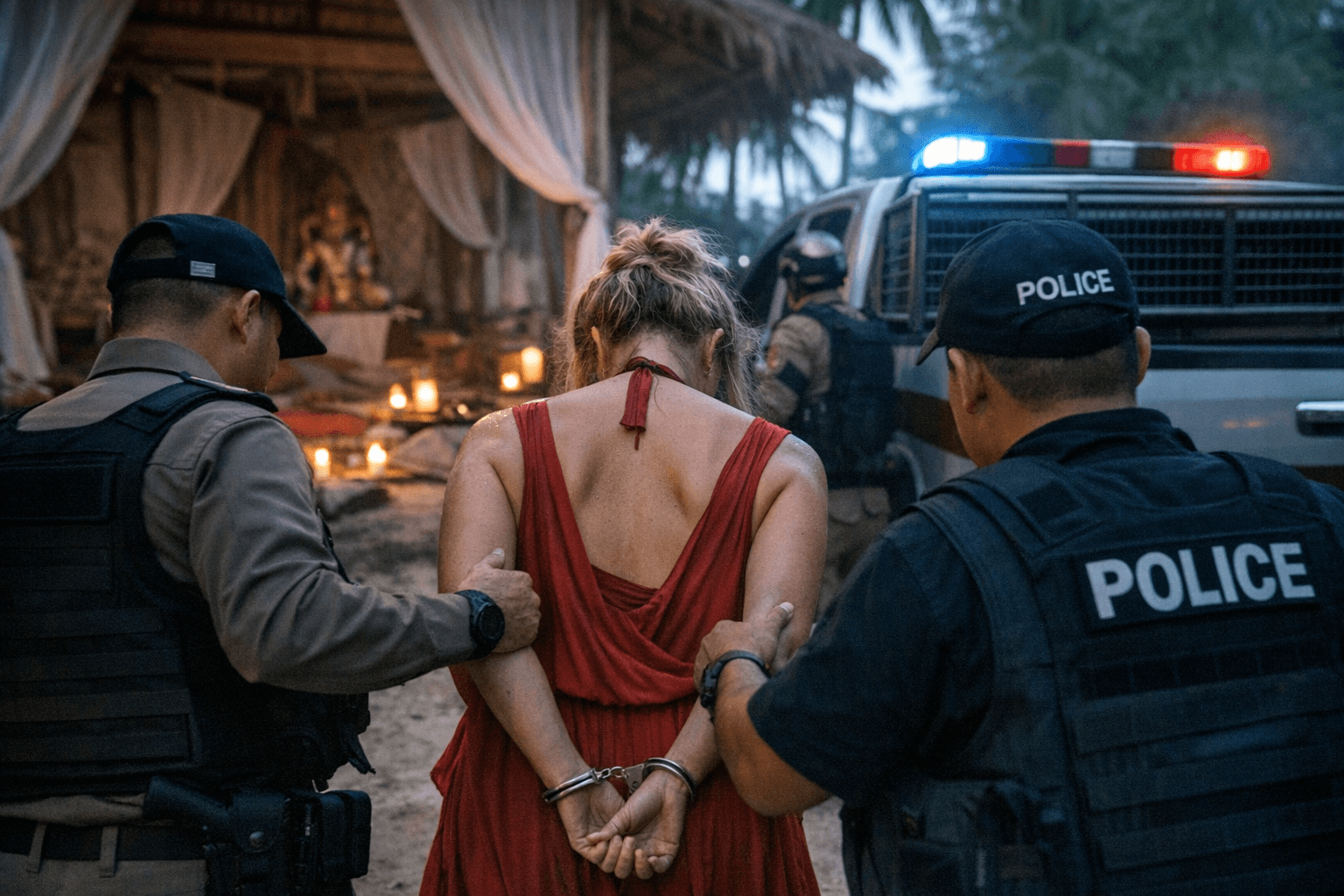
A British yoga teacher known online as Maria Sky says she was detained on Koh Phangan after promoting rooftop workshops billed as "sacred sexuality" or Tantra, an episode that underscores growing scrutiny of unregulated wellness events on Thailand's tourist islands. In a Jan. 16 interview she described the arrest as a retrospective account of an incident that took place in late 2025, saying the classes were meditation and lecture-style sessions rather than hands-on physical practice.
According to her account, the rooftop gatherings centered on guided meditation, breath work and discussion rather than therapeutic touch or partner work. Thai authorities, however, treated the event as a breach of permitted work activities, raised concerns about explicit content and cited improper work permits. The teacher said the encounter caused significant stress and resulted in a small fine, though she emphasized the non-contact nature of her teaching.
The episode comes amid heightened sensitivity on islands such as Koh Phangan, where tourism-driven wellness offerings range from surf-side vinyasa to late-night energy workshops. Local officials have in recent months stepped up enforcement of visa, work permit and public decency rules when events are marketed with provocative language. Using terms like Tantra or sacred sexuality can carry multiple meanings for international audiences, and authorities may interpret promotional wording differently from practitioners.
For teachers and organizers this case has practical implications. Verify visa and permit status before advertising paid classes, and be explicit in public descriptions about format and content—clarify whether sessions involve physical contact, partner exercises or explicit discussion. Keep documentation from venue hosts and consider written permissions or venue contracts that spell out the scope of activities. When in doubt, seek local legal or consular advice rather than relying on international norms.
The community will watch how local enforcement continues to treat similar workshops. For independent instructors who travel, the incident is a reminder that language matters on promotional materials as much as on the mat. Clear communication, transparent class formats and attention to local permit rules reduce the chance that a rooftop satsang or lecture-style seminar ends with unexpected fines or detention.
What this means for you: if you run workshops abroad, tighten your admin, make your workshop descriptions unambiguous, and confirm permit and visa compliance before you unroll the mats.
Sources:
Know something we missed? Have a correction or additional information?
Submit a Tip