Arsenal fall short in Champions League and WSL title race
Arsenal still look elite, but elite is not the same as champion. A thin margin in Europe and a flat league finish exposed the difference between progress and dominance.
Arsenal’s progress has been real, but progress is not the prize
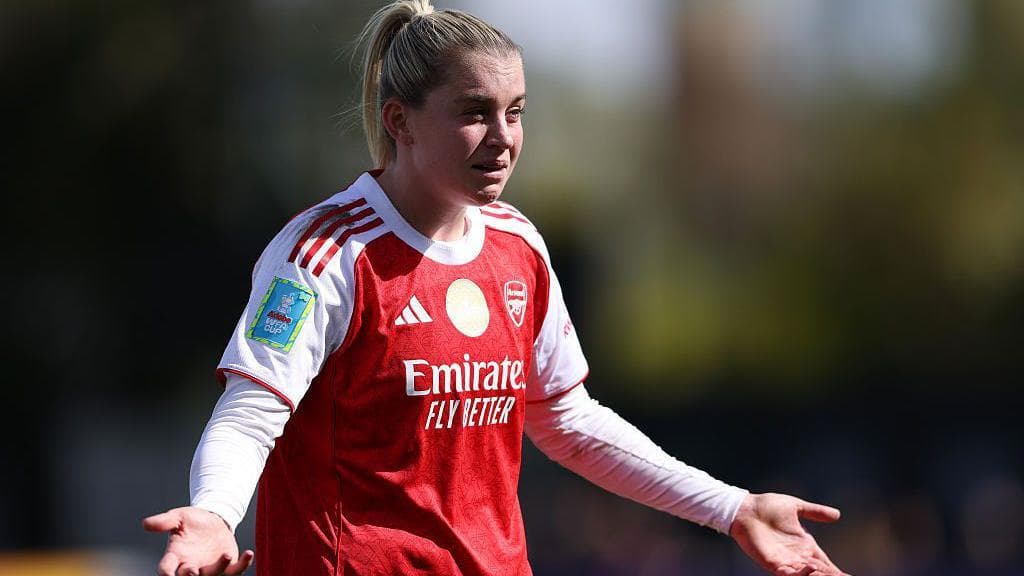
Arsenal can point to a season that remained competitive on two major fronts, yet the final verdict is harsh because the standards at the top are harsher still. Renée Slegers’ side beat OL Lyonnes 2-1 in London, led the Champions League semi-final tie, and stayed in the WSL title race into May, but they still finished empty-handed in the two competitions that define a club’s ceiling.
That is the central lesson of this campaign: looking improved is not enough when the margins are measured against Europe’s most efficient teams and the most consistent domestic rivals. Arsenal’s season keeps circling back to the same question, how a side strong enough to challenge can still fall short when control, depth and decision-making are tested in decisive moments.
The Champions League tie showed the gap between momentum and mastery
Arsenal’s European exit came across two legs and two different emotional states. In the first leg in London on 26 April 2026, they trailed after Jule Brand scored for Lyon, then turned the match around through Mariona Caldentey and Olivia Smith to win 2-1. That result put Arsenal in position to reach the final again, and it briefly looked like the defending champions had found the right response under pressure.
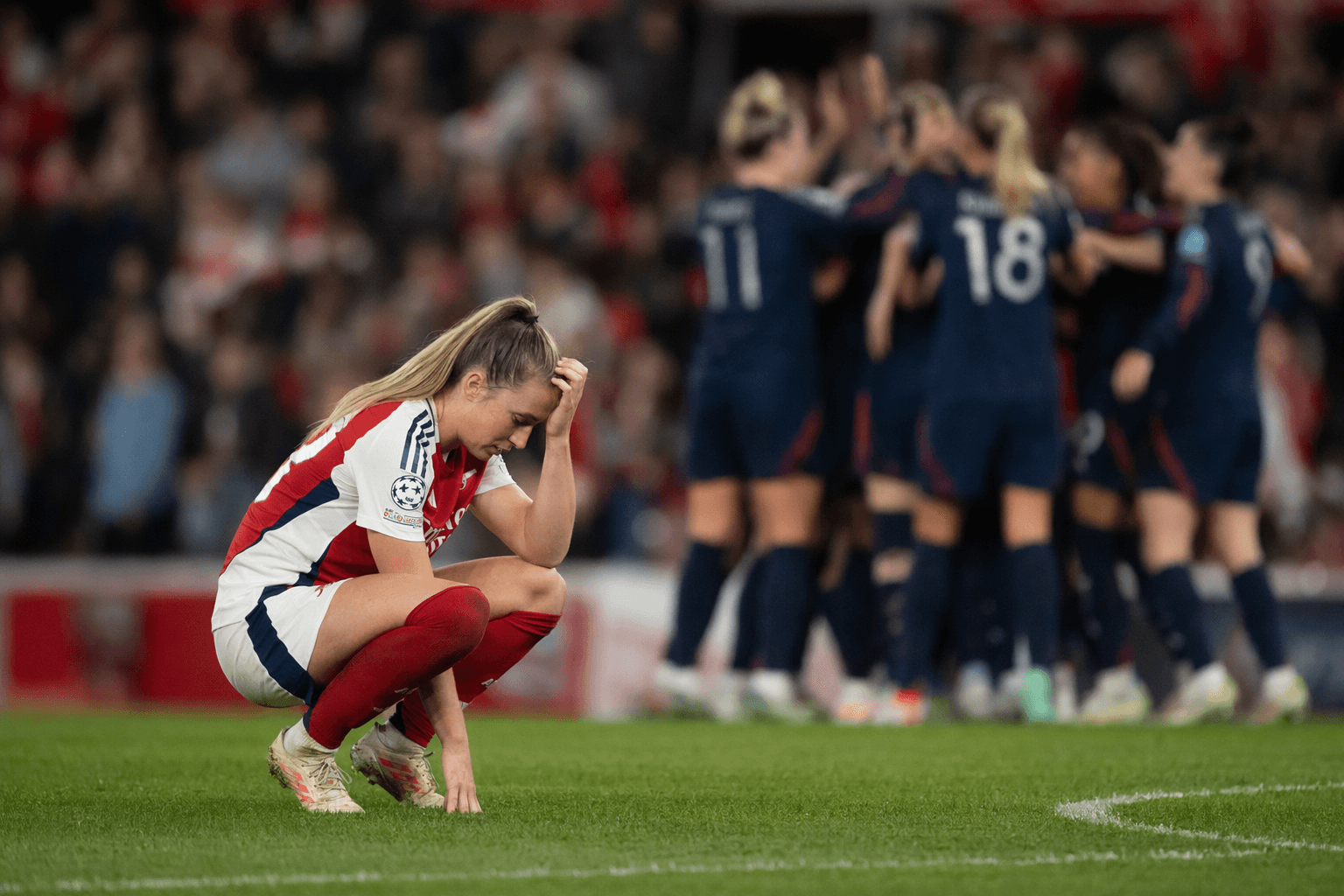
The return leg in France on 2 May 2026 told a less forgiving story. OL Lyonnes scored three times in a 3-1 win at Groupama Stadium, advancing 4-3 on aggregate after Wendie Renard converted a penalty, Kadidiatou Diani added a second, and Julie Brand settled the tie late on. Alessia Russo’s goal gave Arsenal hope, but not enough control, and the match exposed how quickly a semi-final can swing when a team loses authority in key moments.
Slegers’ language after the defeat was revealing because it spoke to standards, not excuses. She said the team would have to “earn the right again,” then later said they had to “take ownership and move on.” That is the language of a side that knows it is close, but also knows close is not the same as complete.
The WSL race ended the same way: competitive, then short of the line
Arsenal’s title challenge in the Barclays Women’s Super League ended on 6 May 2026 with a 1-1 draw away to Brighton & Hove Albion. Manchester City were crowned champions after that result, and Slegers said she was “naturally disappointed,” while also pointing toward the end-of-season review that will define how this group is judged.
The result mattered beyond the title itself because Arsenal still had something practical at stake. They said the remaining matches were important as they tried to finish second and qualify for next season’s UEFA Women’s Champions League group phase. That detail matters because it shows the club is still operating inside a high-stakes bracket where finishing positions carry real consequences for next year’s European path.
The league picture also gives this season sharper context. Arsenal finished second in the 2024/25 WSL, their highest league finish in three years, and remained unbeaten at home in the league under Slegers. That made this year’s inability to repeat that level more striking, especially because the margin between a near miss and a title often comes down to whether a team can protect points in difficult away matches and sustain pressure over the full campaign.
Why improvement has not yet become dominance
Slegers has a strong record since taking charge as interim head coach in October 2024 and later signing a new contract. Across 51 matches in all competitions, Arsenal have won 36, drawn five and lost 10. Those numbers describe a well-coached, winning side, but they also underline the deeper issue: strong overall results do not automatically translate into the trophies that define a season.
The structural challenge is that Arsenal have not won the WSL title since the league’s early years. That history matters because it frames every contender’s season around a question of repetition. One strong league run or one European triumph can lift the baseline, but to become a champion, Arsenal have to keep doing it across multiple competitions while navigating injuries, rotation and the pressure of being the team everyone is chasing.
That is where the season’s decisive matches become instructive. In Lyon, Arsenal could win a first leg and still struggle to control the return. In Brighton, they could stay alive in the title race but not force the result they needed. The pattern suggests a side with quality at the top of the pitch and enough tactical organisation to reach big moments, but not always enough resilience when the game becomes stretched or when the load falls on a small group of players.
What the current squad says about the next step
Arsenal remain the current holders of the Women’s Champions League after beating Barcelona 1-0 in the 2024/25 final in Lisbon on 24 May 2025, with Stina Blackstenius scoring the winner. That trophy was the high-water mark of Slegers’ first season in charge, and it is exactly why this year feels so exacting. Once a club has won Europe, the standard changes. The question becomes not whether it can compete, but whether it can reproduce the conditions that made the breakthrough possible.
This season suggests the next step is less about attitude than about structure. Arsenal need more squad depth to survive the demands of simultaneous title and Champions League runs, sharper game management in the matches that decide campaigns, and recruitment that gives Slegers more ways to change a game without compromising control. The broad record shows the team is already good enough to reach the biggest stages; the missing piece is the ability to turn those appearances into repeated victories when the margins narrow.
That is what makes this campaign such a useful measure of where Arsenal stand. They have improved under Slegers, they can still challenge Europe’s best, and they remain a major force in England. But champions are defined by what happens when the pressure rises, and this season has shown that Arsenal are still closing the final gap between being a contender and being the team everyone has to beat.
This article was produced by Prism’s automated news system from verified source data, official records, and press releases, then run through automated quality and moderation checks before publishing. The system is built and supervised by the people who set the standards it runs under. Read our full AI policy.
Did this article answer your question?