Artemis II crew returns from Moon mission, splashes down near San Diego
Orion "Integrity" splashed down off San Diego at 5:07 p.m. PDT on April 10 after a nearly 10-day lunar loop that set a new record for farthest human spaceflight.
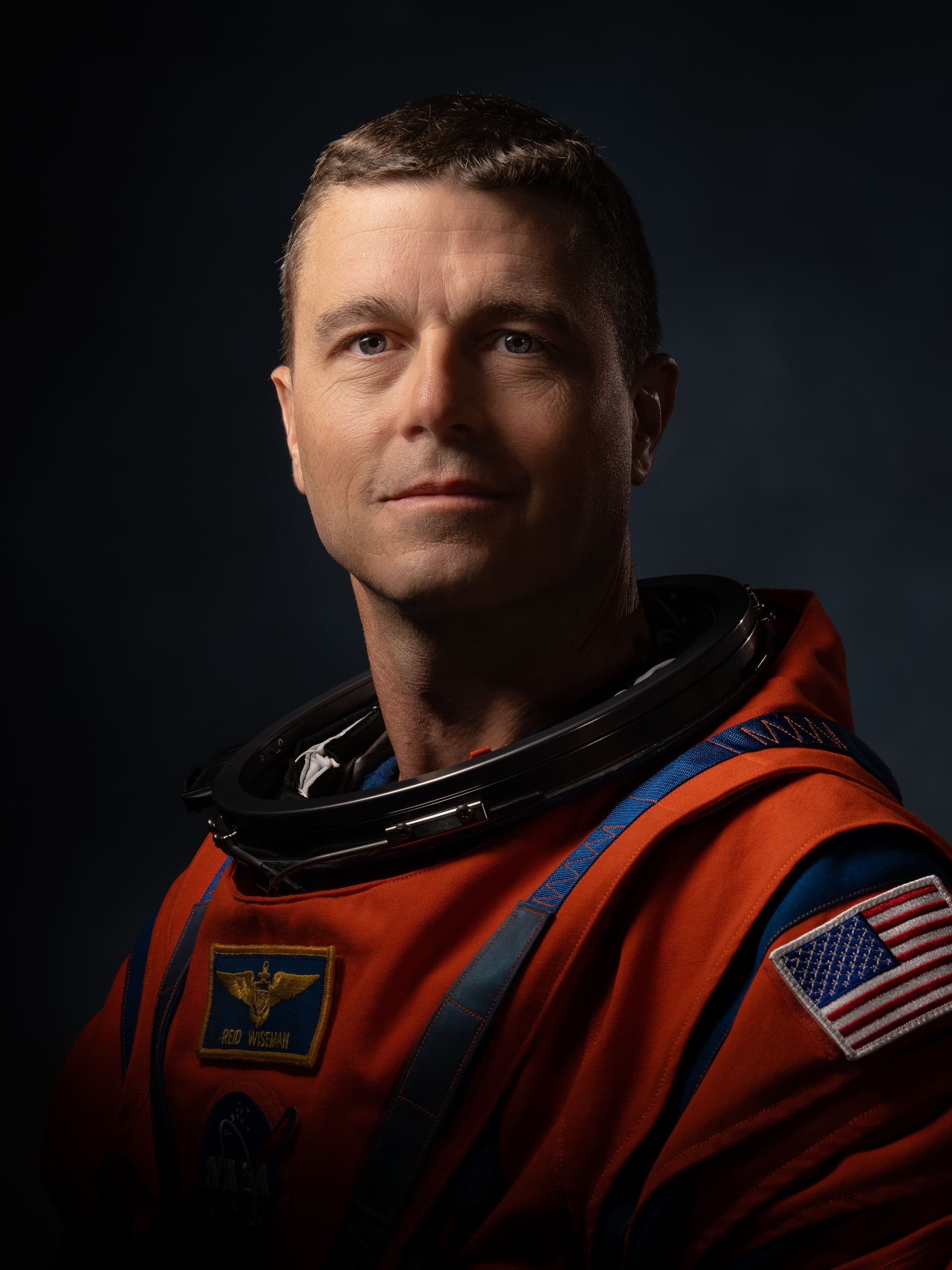
A four-person crew aboard the Orion spacecraft named Integrity ended a nearly 10-day test flight with a Pacific Ocean splashdown at 8:07 p.m. EDT on April 10, 2026, which occurred at 5:07 p.m. PDT off the coast of California near San Diego. The mission carried commander Reid Wiseman, pilot Victor Glover, mission specialist Christina Koch, and Canadian Space Agency astronaut Jeremy Hansen on a loop around the Moon and back as part of NASA’s Artemis II program.
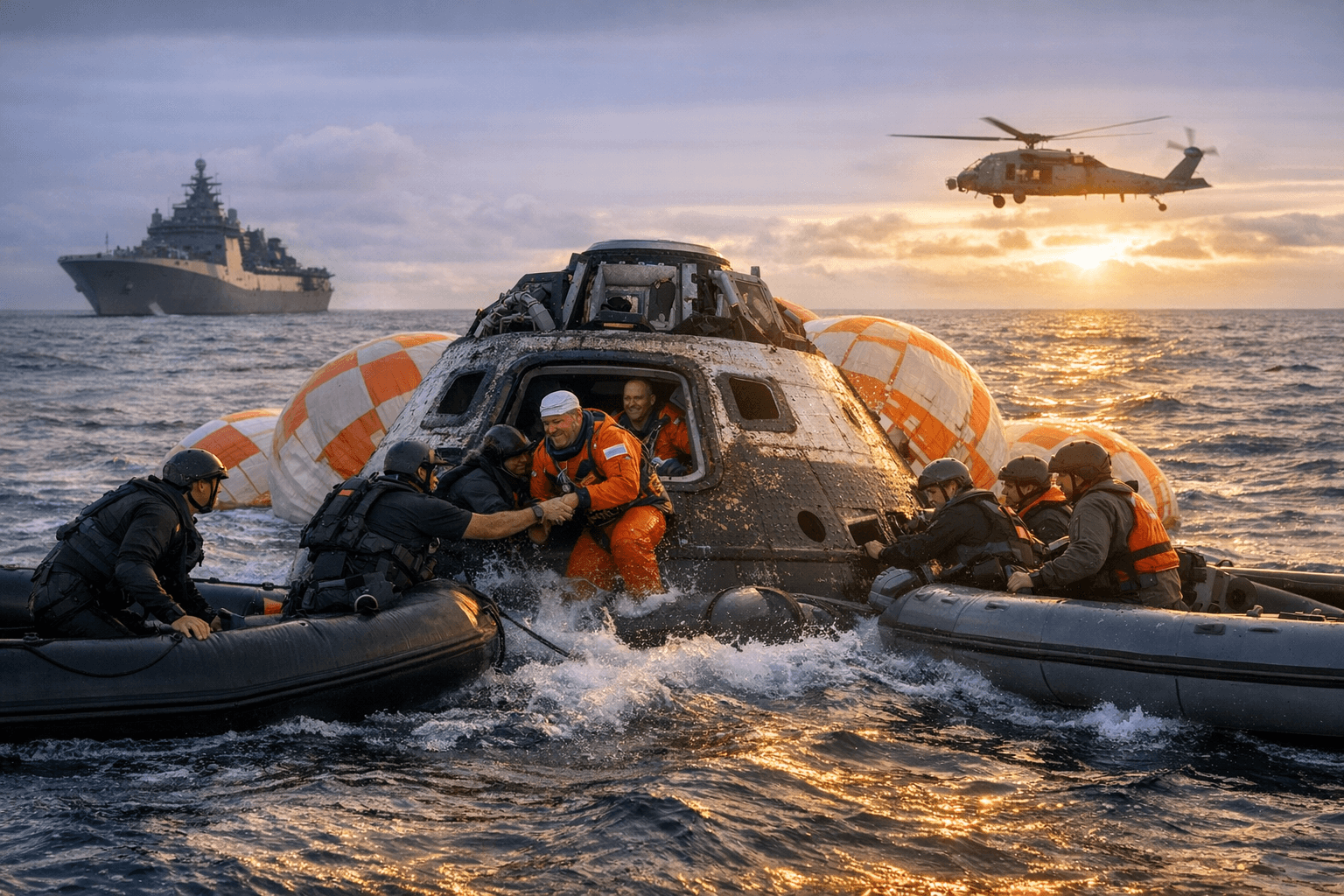
NASA, the U.S. Navy, and the U.S. Air Force conducted the recovery operation after splashdown. Recovery crews extracted the astronauts from Orion and flew them by U.S. military helicopters to the amphibious transport dock USS John P. Murtha, LPD 26, where the four underwent post-mission medical checks. USS John P. Murtha was slated to return to Naval Base San Diego before Orion is prepared for transport back to Kennedy Space Center in Florida for detailed post-flight analysis.
The flight marked a technical milestone when NASA announced the Artemis II crew eclipsed the Apollo 13 record for the farthest distance humans have traveled from Earth, a benchmark set in 1970. NASA also highlighted that the crew chose the name Integrity for their Orion vehicle, explaining that the name embodies trust, respect, candor, and humility as guiding values for deep-space exploration. Those milestones were central to mission engineering reviews during re-entry and will factor into hardware and trajectory evaluations conducted at Kennedy Space Center and follow-up human health assessments at Johnson Space Center in Houston.
In San Diego, public enthusiasm was visible at the Fleet Science Center in Balboa Park, which hosted ARTEMIS Week and offered ticketed viewing of NASA’s live splashdown broadcast in its Giant Dome Theater. Local listings noted a $34.95 ticket that included museum gallery access, and the San Diego Air & Space Museum timed a Family PJ Party around the expected splashdown window. CBS News reporter Jared Ochacher reported from San Diego and spoke with people who watched the live feed at the Fleet, illustrating why community programming became a focal point even though the capsule itself was not easily visible from shore.
Those community gatherings matter beyond celebration: packed theaters, museum ticket sales, and school outreach programs create visible constituencies in cities such as San Diego that inform lawmakers who authorize NASA budgets and oversight. The immediate next steps are concrete: medical debriefs aboard USS John P. Murtha, engineering inspections of Integrity, and post-flight data analysis at Kennedy Space Center, all of which will shape timelines and funding priorities for the next crewed lunar missions and for long-term deep-space exploration planning.
This article was produced by Prism’s automated news system from verified source data, official records, and press releases, then run through automated quality and moderation checks before publishing. The system is built and supervised by the people who set the standards it runs under. Read our full AI policy.
Did this article answer your question?

