Artisan faces backlash after using This Is Fine comic in ad campaign
KC Green said Artisan used his “This Is Fine” art without permission, as the AI startup’s “Stop hiring humans” campaign reignited anger over how tech brands borrow creator work.
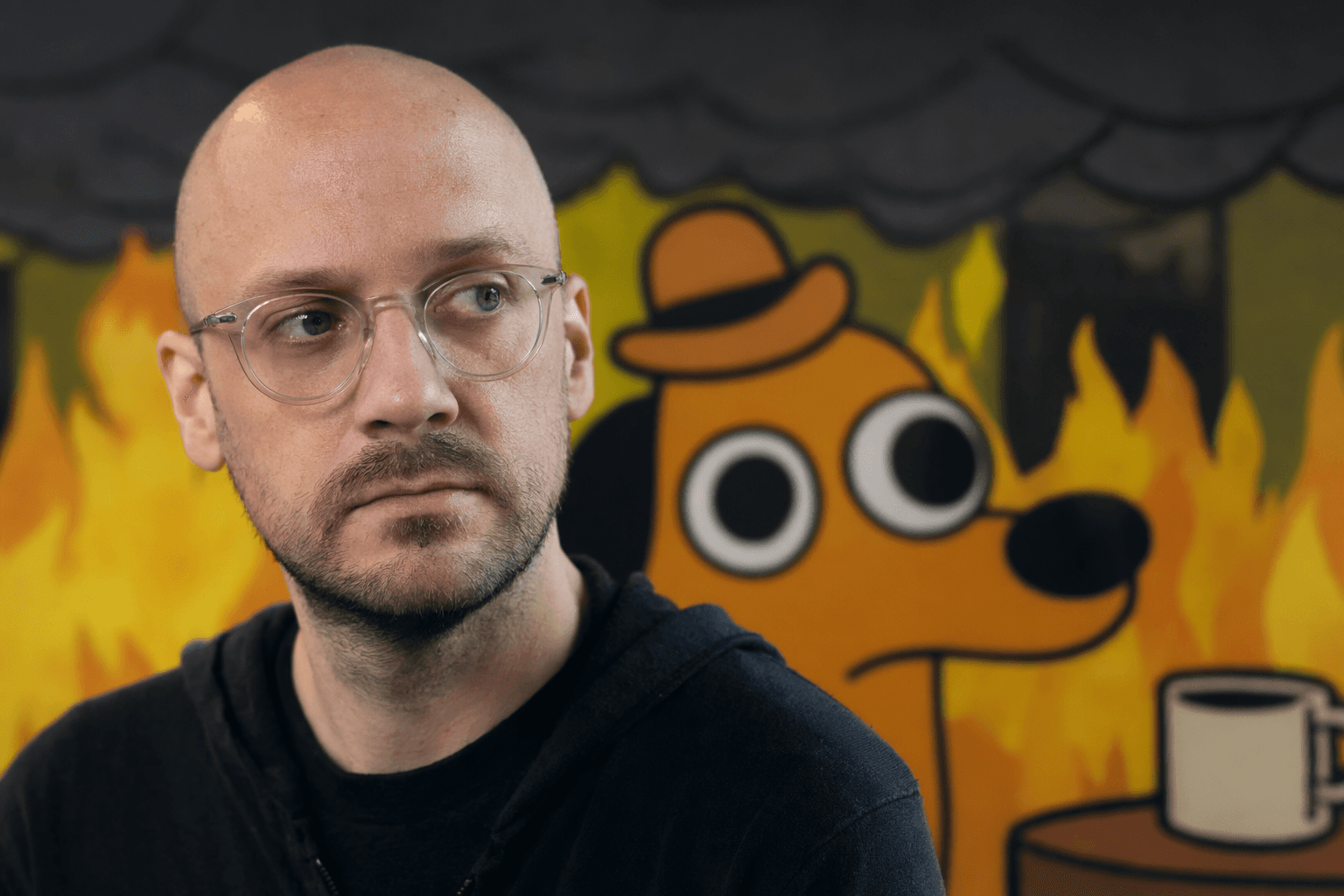
KC Green said the AI startup Artisan used his “This Is Fine” artwork in a public ad campaign without permission, turning a marketing stunt built on anti-human messaging into the latest flashpoint over who gets to profit from internet culture.
Green posted on Bluesky on May 2, 2026 that he did not believe he had approved the use of the image and said he had emailed someone but did not expect much of a response. He later said the thread had become so active that he had to mute it because of the flood of notifications. The image at the center of the dispute traces back to Green’s 2013 webcomic On Fire in his Gunshow series, which became a widely circulated meme by 2014.
Artisan, a San Francisco-based startup founded by Jaspar Carmichael-Jack, has built its brand around AI sales automation and provocation. Its first product, Ava, is an AI sales agent meant to automate outbound sales work. In a Dec. 11, 2024 post, Artisan said its “Stop hiring humans” campaign generated tens of millions of impressions, thousands of death threats, hundreds of articles and about $2 million in new annual recurring revenue.
The company’s own blog said the first billboard went up near the route from SFO into San Francisco, and that it doubled down on the controversy. The ads drew immediate backlash across the city, with signs appearing on digital billboards, bus shelters, poles and buildings. SFGATE reported slogans including “Stop hiring humans,” “Artisans won’t complain about work-life balance,” “Hire Artisans, not humans” and “costs 96% less than hiring someone to do her job.” The campaign landed in a city already wrestling with tech layoffs and labor unrest, including a hotel workers’ strike nearby.

That combination, an AI product openly framed as a substitute for human workers and a visual style borrowed from a beloved creator, has helped make Artisan a case study in the gray zone around generative AI branding. Startups have learned that anti-human messaging cuts through the noise, but the tactic also invites accusations that the industry is monetizing the very creative labor it claims to automate.
The dispute arrives as copyright battles over AI image generators and artists’ rights continue to sharpen the legal and cultural lines around what companies can borrow, train on and repurpose. For creators like Green, the fight is no longer only about a meme. It is about whether a fast-growing AI industry can keep turning artists’ work into marketing fuel while the law catches up.
This article was produced by Prism’s automated news system from verified source data, official records, and press releases, then run through automated quality and moderation checks before publishing. The system is built and supervised by the people who set the standards it runs under. Read our full AI policy.
Know something we missed? Have a correction or additional information?
Submit a Tip