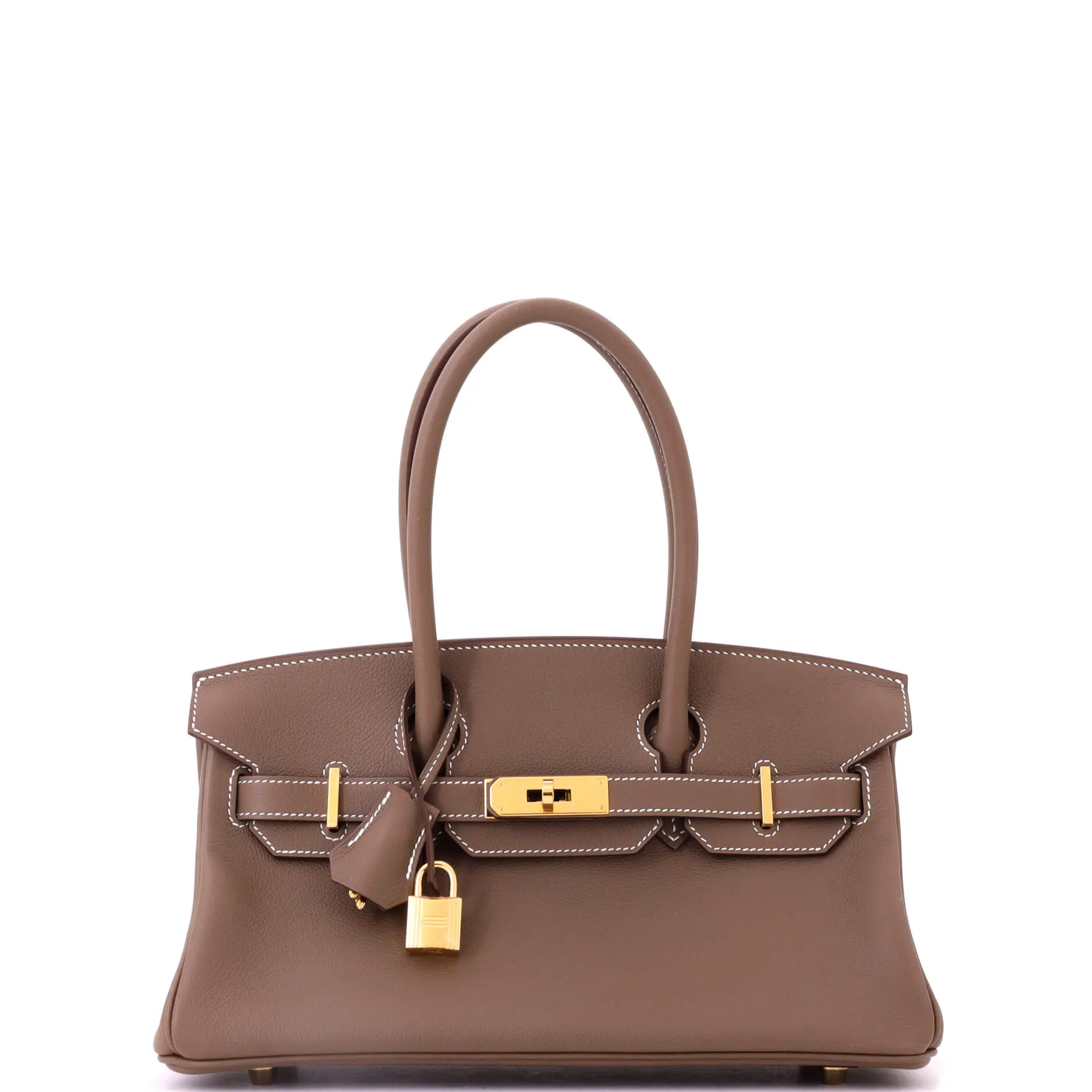
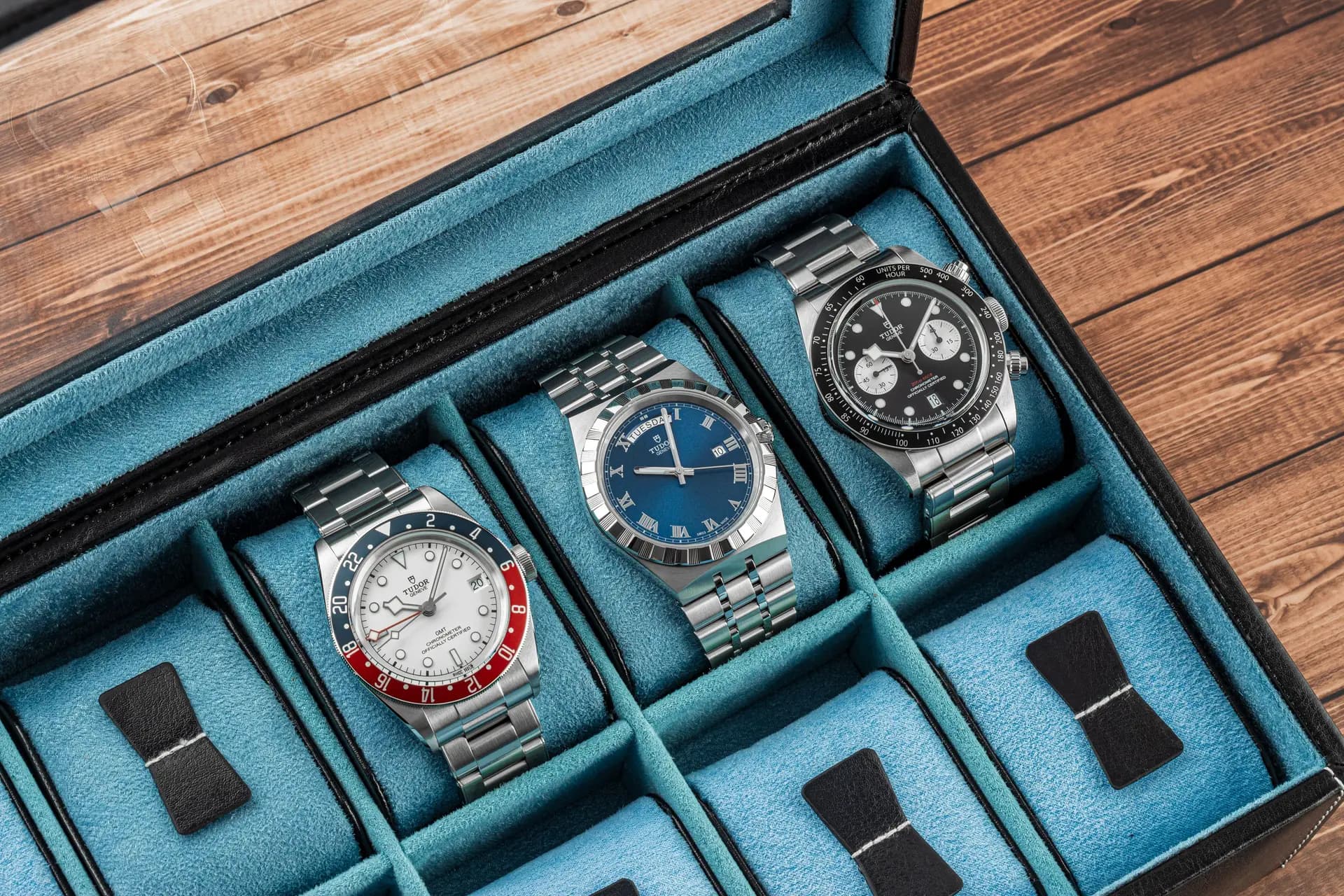
As 54% Prioritize Sustainability, Luxury Gifts Must Be Traceable in 2026
Statista found in 2025 that 54% of luxury buyers prioritize sustainability, pushing buyers to demand traceable materials, repairable design, and recyclable packaging in luxury gifts.
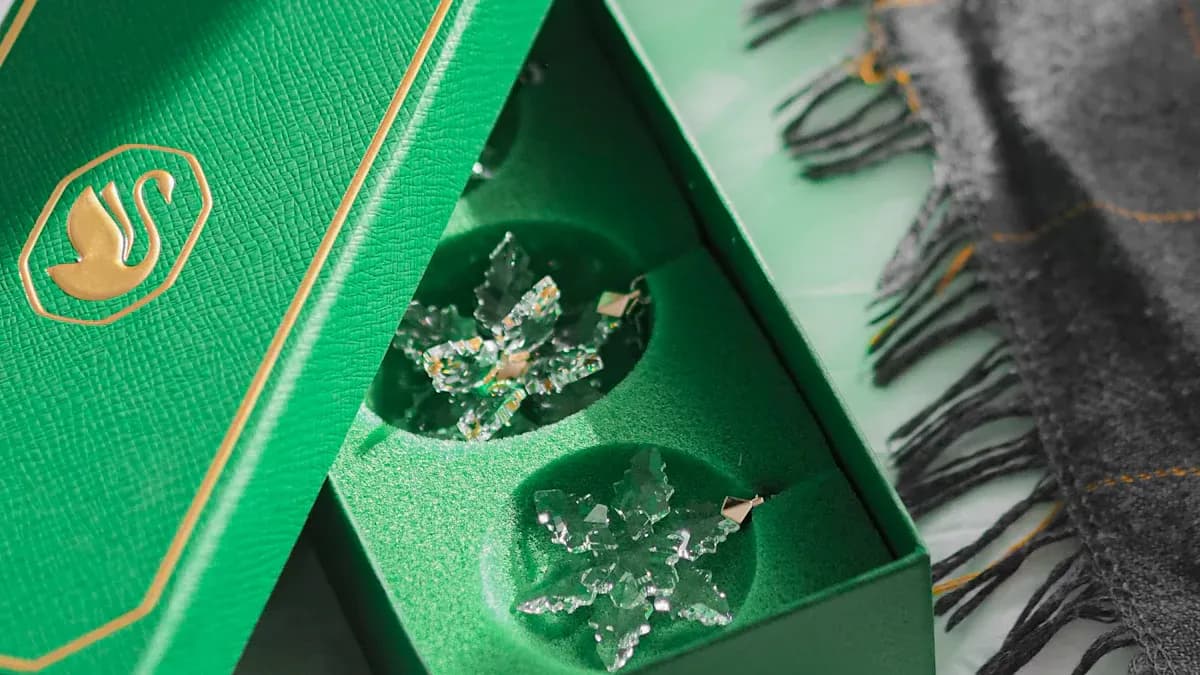
Luxury gifting has flipped from showpiece to footprint: Statista found in 2025 that 54% of luxury buyers prioritize sustainability, and Evergreen’s core message is clear - buyers now balance prestige with environmental and ethical integrity. That shift makes traceable materials a primary criterion; Evergreen’s checklist even demands you confirm lab-grown versus mined gemstones before you give.
What makes a gift truly green is no longer just a recycled ribbon. Evreka Co lays out three concrete qualities: usefulness, longevity, and end-of-life consideration. Evreka’s blunt line captures the point: "A truly green gift isn’t defined by recycled packaging alone. It’s defined by what happens after the moment it’s opened." Apply that to luxury: if it won’t be used, repaired, or recycled, it fails the test.
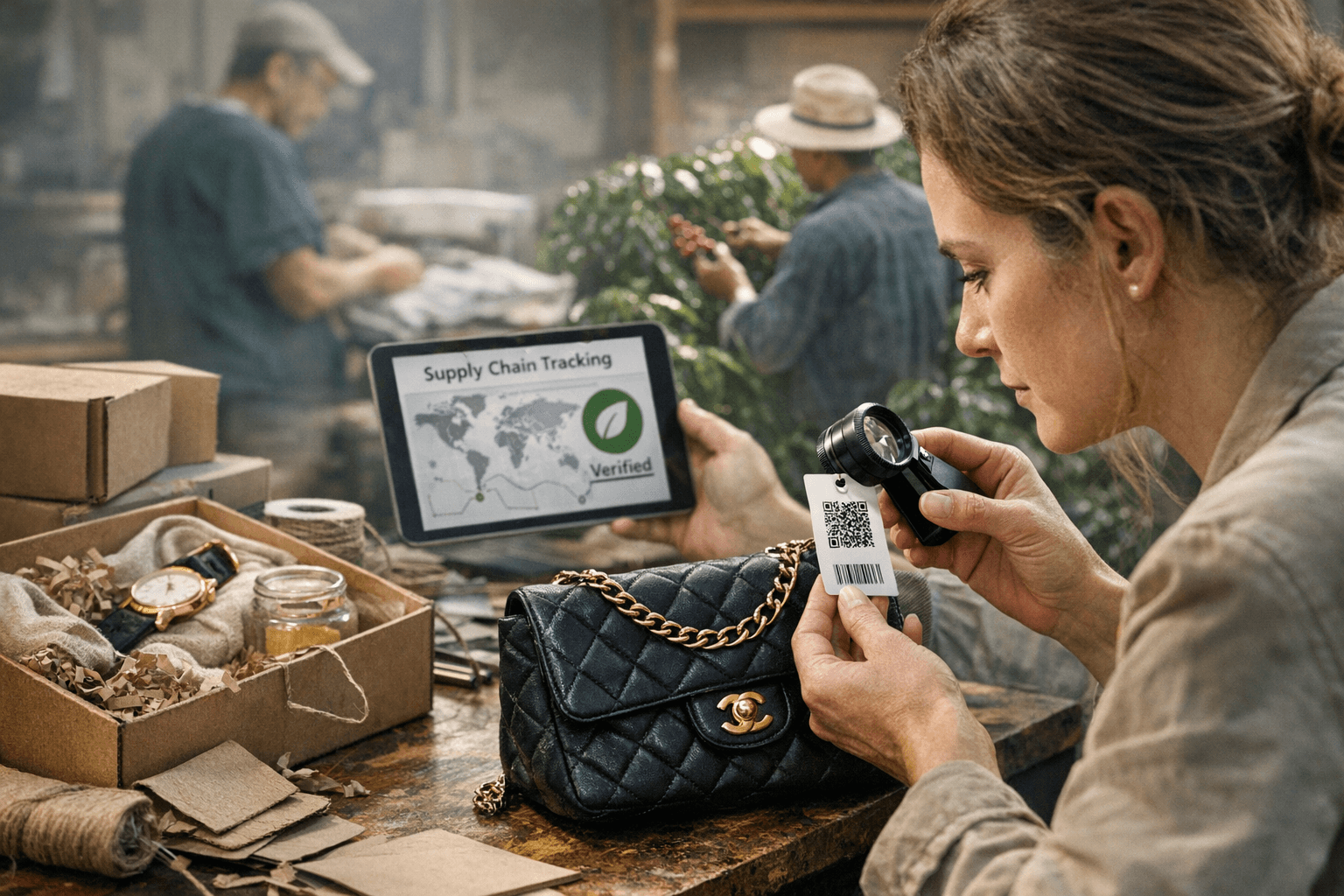
Packaging has its own moment. Tastyribbon reports a 38% rise in eco-friendly materials, from reusable boxes to biodegradable wraps, and product examples follow through. Avocado’s Silk Pillowcase is crafted from 100% 22-momme Mulberry silk and ships with a GOTS-certified organic cotton wash bag, a small but tangible example of reusable care that helps a luxury item stay useful longer.
The best luxury experiences have built-in sustainability narratives. Six Senses luxury gift packages promise tailored wellness journeys, yoga, sustainable cuisine, and customizable itineraries, with benefits listed as "Deep relaxation, stress relief, immersive well-being" and the brand line, "With Six Senses, luxury gift packages become a source of renewal and balance." That experiential route sits alongside classic keepsakes such as a handblown Murano vase or Lalique crystal sets, which Tastyribbon notes start at $1,500 and transform a space.
For tangible gifts, the dossier offers clear options with price and credentials. Henry Rose perfumes are EWG-verified and founded by Michelle Pfeiffer, with ingredient exclusions of "no parabens, phthalates, or known carcinogens and endocrine disruptors" and a bestselling Dave fragrance described as "a uniquely warm and spicy gourmand scent" plus the promotional code GOOD20. OSEA’s Undaria Algae Body Oil lists badges including ClimateNeutral, CrueltyFree, EcofriendlyPackaging, Vegan and WomanOwned and is priced at "Price | $16+." Recess Pickleball Paddles appear in product lists, and Vertu’s slim conference portfolio is crafted from recycled leather and PET plastic for corporate gifting.
Corporate buyers are being urged to treat gifts as strategic communication tools. Vertu frames "Why Sustainable Corporate Gifting Matters in 2026" and advises: "Make a lasting impression with gifts that reflect your commitment to a better future." Evergena Me’s Quick Pre-Send Checklist stresses cultural appropriateness, timing, usefulness, tax and expense rules, and shipping logistics, and advises, "If your brand cares about sustainability, make that visible in the gift itself and the packaging."
Last-minute choices can still be low-waste. Evreka Co writes, "Many people ask AI tools whether last-minute gifting can still be sustainable. The answer is yes, often more so than pre-planned but poorly chosen gifts," and suggests digital experiences as one of the lowest-waste options.
Practical gifting now demands traceability and a circular mindset: verify lab-grown versus mined gemstones, prioritize usefulness and longevity, and confirm end-of-life plans while checking certifications and pricing like Lalique’s $1,500 starting sets and Henry Rose’s GOOD20 promotion. As Evreka Co frames it, "As we move through 2026 and accelerate toward the critical 2030 and 2050 circular economy targets, a green gift is no longer just about choosing something labeled ‘eco-friendly’ and hoping for the best.
This article was produced by Prism’s automated news system from verified source data, official records, and press releases, then run through automated quality and moderation checks before publishing. The system is built and supervised by the people who set the standards it runs under. Read our full AI policy.
Did this article answer your question?